Mexico Auto Production Falls 1.4% as the US Hits the Brakes on EVs
The $7,500 US tax credit for electric vehicles expired in September 2025, and automakers have been reordering their plans across North America ever since.
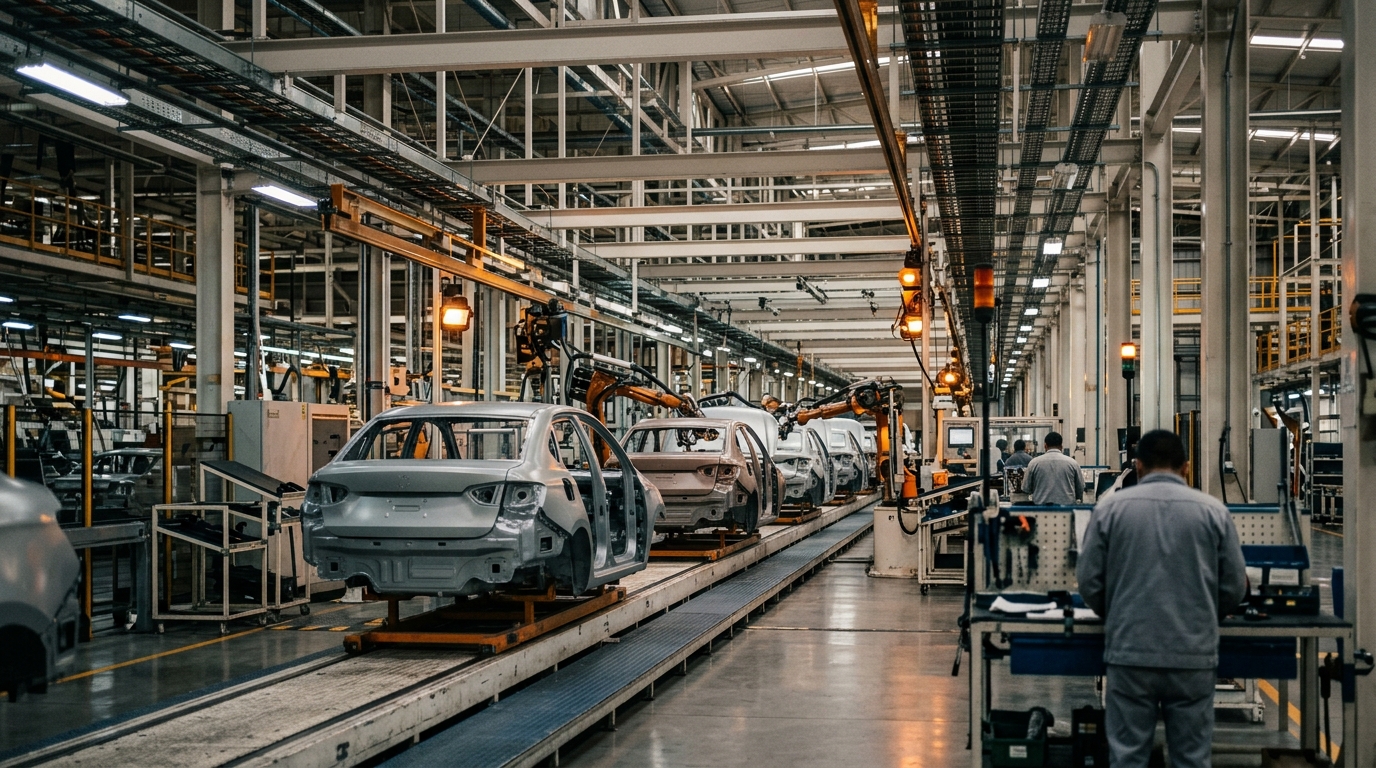
The Ultium Cells battery plant in Lordstown, Ohio, valued at $2.3 billion, halted production in January and keeps about 480 workers on indefinite layoff, after the $7,500 tax credit that the United States granted to electric vehicle buyers expired in September 2025.
The cancellation of electric vehicle projects and their associated battery plants has multiplied in the United States since then, according to a Reuters analysis using Atlas Public Policy data cited by Forbes México: around 87% of the sector's announced investments went to states that Trump won in 2024. The adjustment reaches a Mexican industry that places most of its output in the US market. Between January and August 2026, Mexico exported 2,251,254 light vehicles, and 1,716,610 of them, 76.3%, were shipped to the United States, a cumulative drop of 3.6% compared with 2025, according to the Administrative Registry of the Light Vehicle Automotive Industry of INEGI.
Automakers have already adjusted their numbers. Ford CEO Jim Farley said that watching electric vehicle sales collapse after the credit expired was "really the trigger for making the decision" on a massive accounting charge tied to the depreciation of those investments. White House spokesperson Kush Desai attributed to the previous administration the fostering of "artificial demand" through subsidies. In Mexico the market is advancing along a different path: in 2025, more than 100,000 passenger electric vehicles were sold, 7% of national sales, and the Chinese brands BYD, Geely and Changan captured 89% of that segment, according to Stephan Mothe, an analyst at BloombergNEF.
The point to watch is whether Chinese manufacturing plans in Mexico emerge from the pause where BloombergNEF places them, and whether the USMCA review incorporates rules of origin for batteries, the component Mexico imports from Asia. BNEF's projection for 2030, at close to 17% of national sales, depends on both conditions.
This article was written with the assistance of artificial intelligence from verified sources and reviewed by a human editor before publication.
Sources
Related stories
This article was drafted with AI assistance from verified sources and reviewed by a human editor before publication.