The US adds 86 GW in 2026, but utilities pick gas for data centers
93% of the 86 GW the US will add in 2026 is solar, batteries and wind, but 59% of the projects utilities have planned burns gas for data centers.
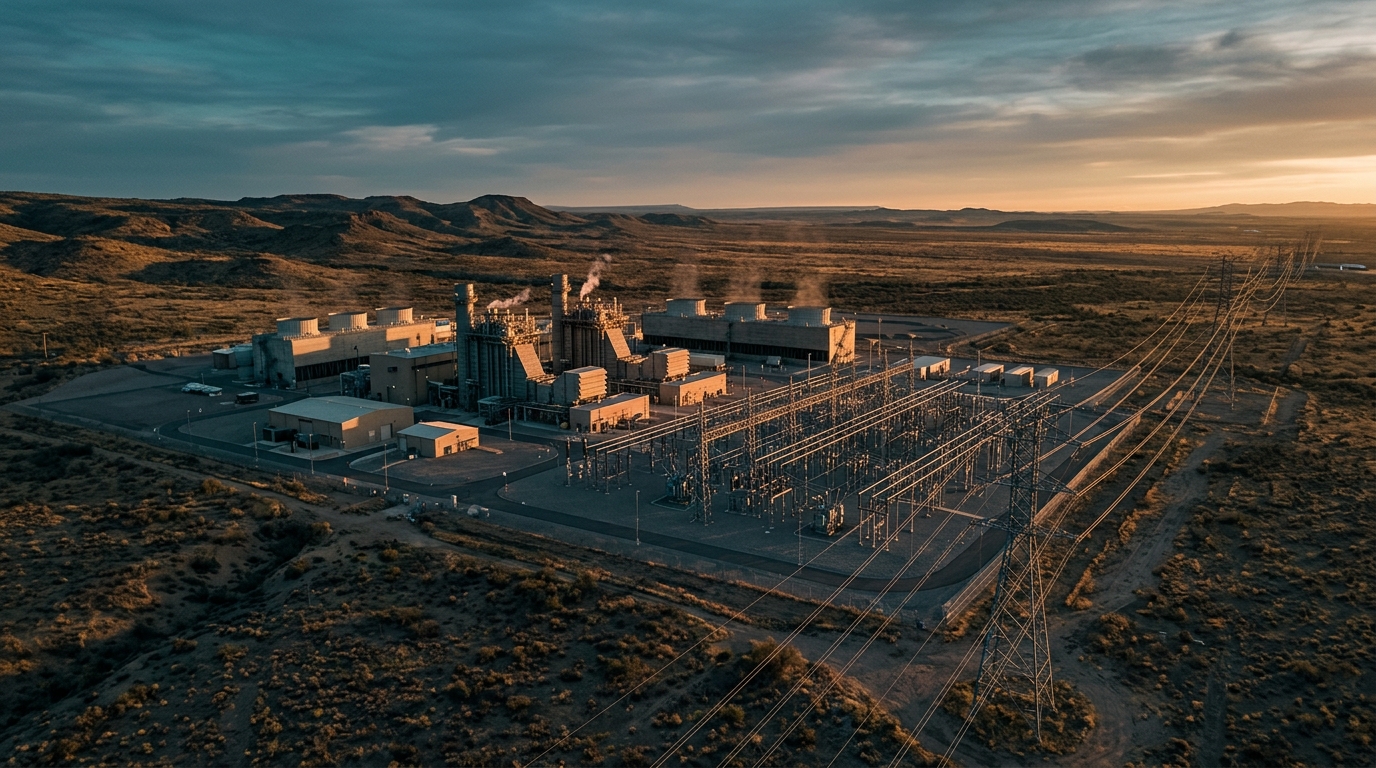
The United States will add a record 86 GW of power capacity in 2026, and 93% of that total comes from solar, batteries and wind, against 6.3 GW from gas, according to Latitude Media's analysis published on September 24. The ratio shifts when you look at who is building each project.
Latitude Intelligence cross-referenced the Energy Information Administration's (EIA) planned generator data for 2026-2030 with its utility contracting database and found that some 211 GW have moved past the early planning stage, 15% of it gas. The split is stark by owner type: independent developers account for 169 GW, and only 4% is gas, while utilities, the power companies that recover costs through rates, hold 42 GW planned with 59% gas. Counting what they contract and what they build for data center load, 26 vertically integrated companies hold 62 GW, of which 37.3 GW is gas. The pattern has reached Mexico: CFE and the Mexican Data Center Association (MEXDC) agreed in September to plan 1.73 GW of demand by 2031.
The numbers on specific projects follow the same logic. Duke Energy signed agreements for 7.6 GW of data centers and is building 14 GW of new generation by 2031, mostly gas; Evergy is seeking to defer about 2.8 GW of coal retirements and add 3.9 GW of gas. Gas's advantage, according to the analysis, lies in capacity accreditation: grid operators credit it similarly in summer and winter, while solar's value varies by season. Bloomberg Línea reported that Moody's estimates 110,000 million dollars to build 45 GW through 2030, more than 30 GW of it gas. In Mexico, Cenace received close to 7 GW in interconnection requests, of which between 1.5 and 2 GW are data centers.
The outcome gets decided case by case at state regulatory commissions, which approve resource plans plant by plant, and in the gas market that feeds those units. In Mexico, the signals to watch are the technical working groups between CFE and MEXDC and Cenace's interconnection queue.
This article was drafted with artificial intelligence assistance from verified sources and reviewed by a human editor before publication.
Sources
- Most new US power is clean, but utilities are choosing gas for data centers
- CFE y MEXDC acuerdan planeación conjunta para acompañar el crecimiento de los centros de datos en México
- Auge de la IA en EE.UU. requiere US$110.000 millones en nuevas centrales eléctricas: Moody's
- Data centers concentran casi un tercio de las solicitudes para conectarse a la red eléctrica
Related stories
This article was drafted with AI assistance from verified sources and reviewed by a human editor before publication.