War Insurers Suspend Policies on Saudi Vessels, Raising Export Costs
Red Sea war premiums have jumped from 0.3% to between 1% and the full value of the vessel following the Joint War Committee advisory.
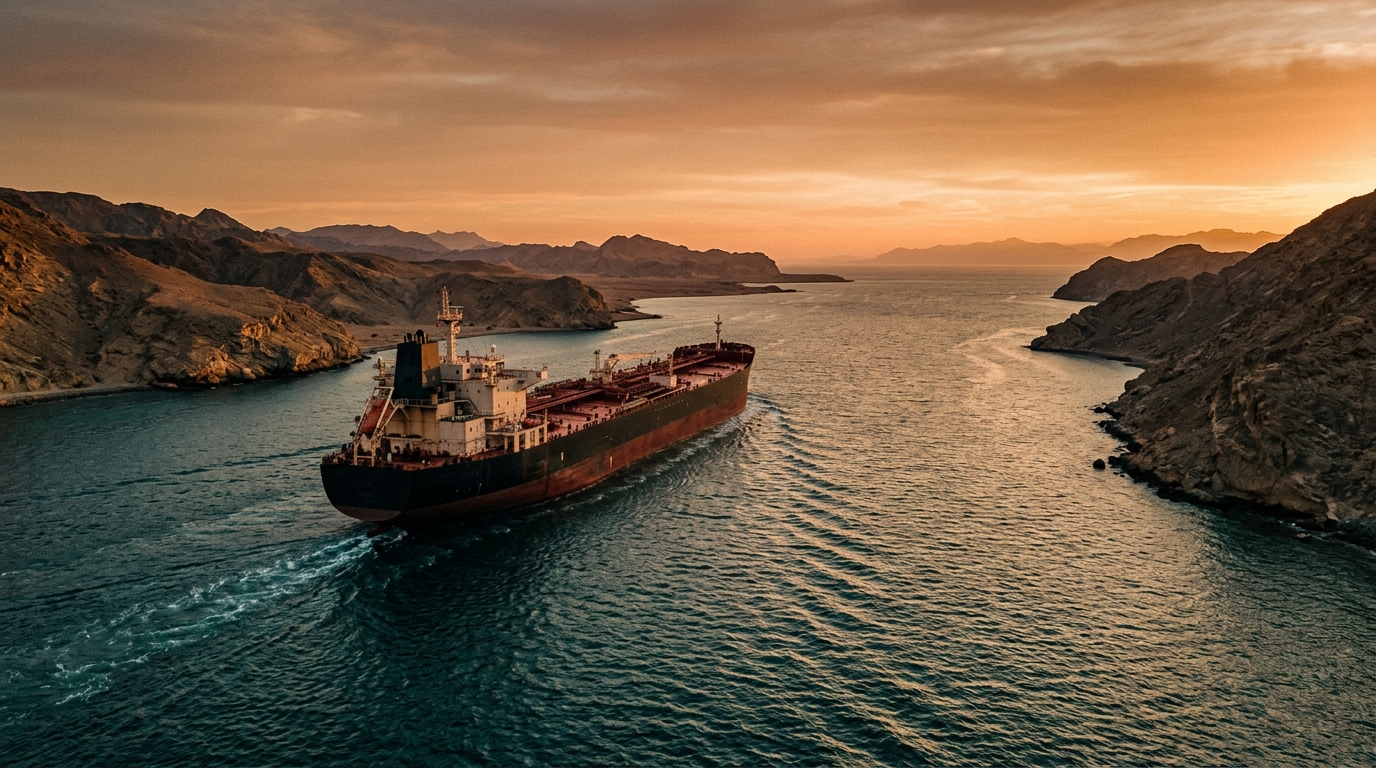
On August 3, underwriters in the Lloyd's market began suspending war-risk policies for vessels linked to Saudi Arabia in the Red Sea, following an advisory from the Joint War Committee (JWC). Premiums rose from 0.3% to between 1% and the value of the vessel, according to Cinco Días.
The tightening followed the naval blockade declaration that Yemen's Houthi militia launched against Saudi Arabia and the attack on two Saudi tankers on July 23. The Bab el-Mandeb, a 29-kilometer strait connecting the Red Sea to the Gulf of Aden, is one of two routes through which Persian Gulf crude reaches Asia-Pacific; the other, Hormuz, remains restricted. Saudi Arabia, the world's largest crude exporter, used that route for most of its shipments while Hormuz was closed between February and June, according to the Institute for Energy Economics and Financial Analysis (IEEFA). The exclusion applies not only to Saudi-flagged vessels but to any vessel that has called at Saudi ports, raising the cost of a route through which the kingdom shipped around 4 million barrels per day in July, according to Kpler data cited by the IEEFA.
Traffic through Bab el-Mandeb fell 22% since July 20 and tanker transits dropped 40%, according to Winward data cited by Cinco Días. The insurance cost compounds the pressure on an alternative route already near capacity: the Saudi port of Yanbu on the Red Sea operated close to its ceiling thanks to the East-West pipeline, which can move up to 5 million barrels per day. The IEEFA frames the blockade within a recurring pattern at oil transit chokepoints: the supply buffers that cushioned the earlier phase of the conflict have evaporated, including extra crude from the Americas, whose combined shipments from the United States, Brazil, Guyana and Canada fell 18% from the peak of 13.53 million barrels per day on June 1, and Russian diesel, suspended since July 8. Brent was trading above $90 per barrel, with the risk premium back in futures.
What happens next depends on the availability of coverage for the fleet loading at Yanbu and on Saudi Arabia's capacity to sustain its exports without Hormuz. The signal to watch is whether premiums extend to other routes and how much of that cost is reflected in Brent.
This article was drafted with artificial intelligence assistance from verified sources and reviewed by a human editor before publication.
Sources
Related stories
This article was drafted with AI assistance from verified sources and reviewed by a human editor before publication.