US-Iran Deal Collapses Crude Prices, Opening Room for Banxico Rate Cuts
Brent's drop to $83.57 per barrel following the 14-point MOU eases inflationary pressures and expands room for Banxico to deepen its rate-cutting cycle.
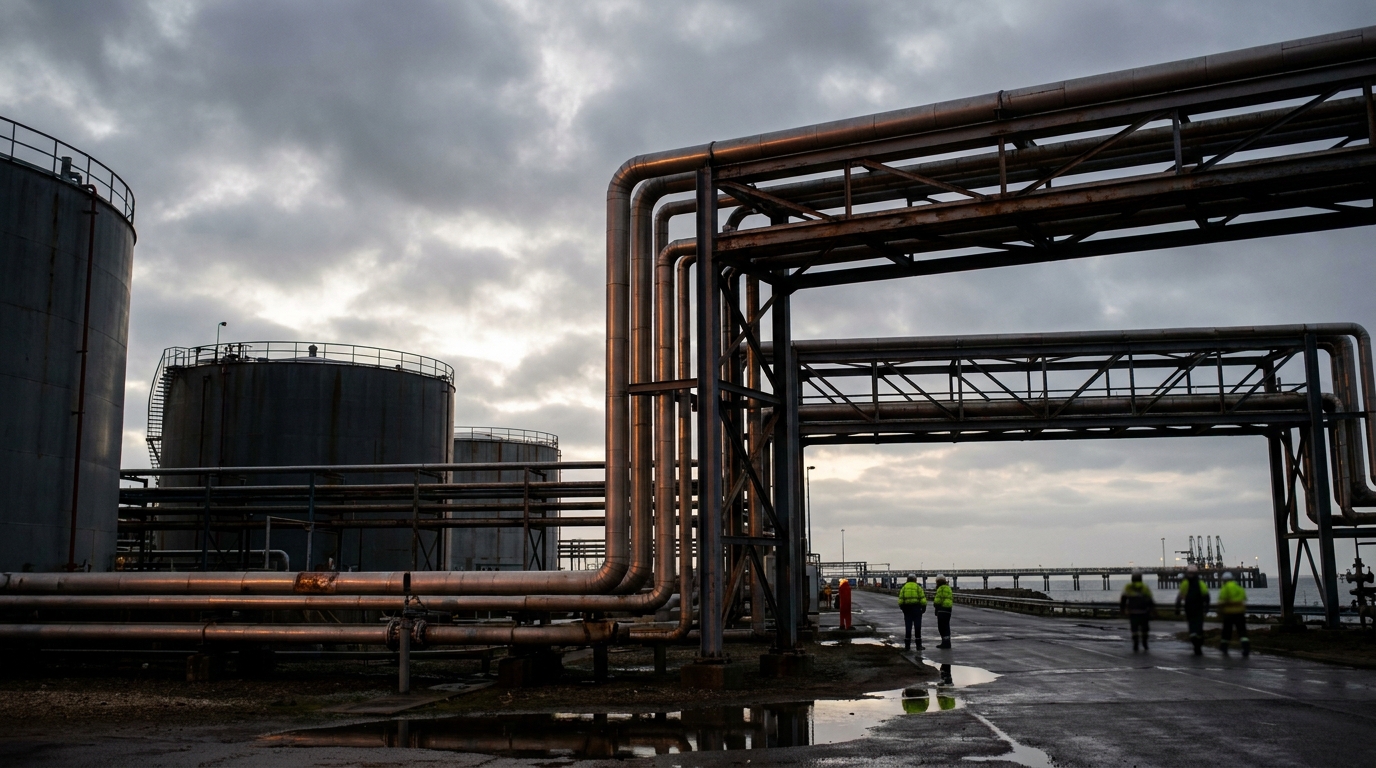
Brent crude fell 4.31%, to $83.57 per barrel on June 15, 2026, after the United States and Iran announced a 14-point memorandum of understanding (MOU) to advance the reopening of the Strait of Hormuz, according to El Financiero. The Mexican peso appreciated 0.34% on the day, to 17.17 units per dollar, its strongest level since February 20.
The Strait of Hormuz accounts for roughly 20% of global oil and liquefied natural gas (LNG) traffic; its blockade during the conflict had pushed Brent above $120 per barrel. The MOU announcement, analyzed on June 14 by the Atlantic Council, deflated the geopolitical risk premium that had been pressuring energy markets since the start of the year. For Mexico, the transmission channel is direct: cheaper crude reduces transportation and logistics costs across the economy, easing pressure on the National Consumer Price Index (INPC) and expanding Banco de México's (Banxico) room to deepen its benchmark rate-cutting cycle.
Gabriela Siller, chief economist at Banco Base, noted that the agreement reduces inflationary pressures and lowers the probability of further rate hikes by the US Federal Reserve (Fed). Víctor Gómez Ayala of Finamex indicated that cheaper oil translates into lower transportation and logistics costs, with room for Banxico to deepen rate cuts. The memorandum, however, does not resolve the conflict's structural issues in this first phase: neither Iranian nuclear concessions nor sanctions relief were agreed upon. Landon Derentz, a researcher at the Atlantic Council Global Energy Center, warned that recurring disruptions to shipping routes are the main obstacle to a supply recovery and that sustained market certainty is a prerequisite for energy stability.
The formal signing of the MOU is scheduled for June 19. The Atlantic Council identifies two pending fronts for the next phase: sanctions relief and Iranian nuclear concessions. Whether access through the Strait of Hormuz holds will determine if the crude price decline persists beyond the initial adjustment.
This article was drafted with artificial intelligence assistance based on verified sources and reviewed by a human editor before publication.
Sources
Related stories
This article was drafted with AI assistance from verified sources and reviewed by a human editor before publication.
← All news