Hybrids Hit Record 16% Share in U.S. Auto Market; Manufacturing Sector Remains Tied to Natural Gas
In Q2 2026, hybrids reached 16% of U.S. auto sales, a historic record, while the manufacturing sector remains anchored to natural gas for process heat generation.
Hybrid electric vehicles (HEVs) reached a record 16% share of U.S. light-vehicle sales in the second quarter of 2026, according to data from the Energy Information Administration (EIA) published on July 27. The advance contrasts sharply with the decline of battery electric vehicles (BEVs), which fell from 7% to 6% over the same period.
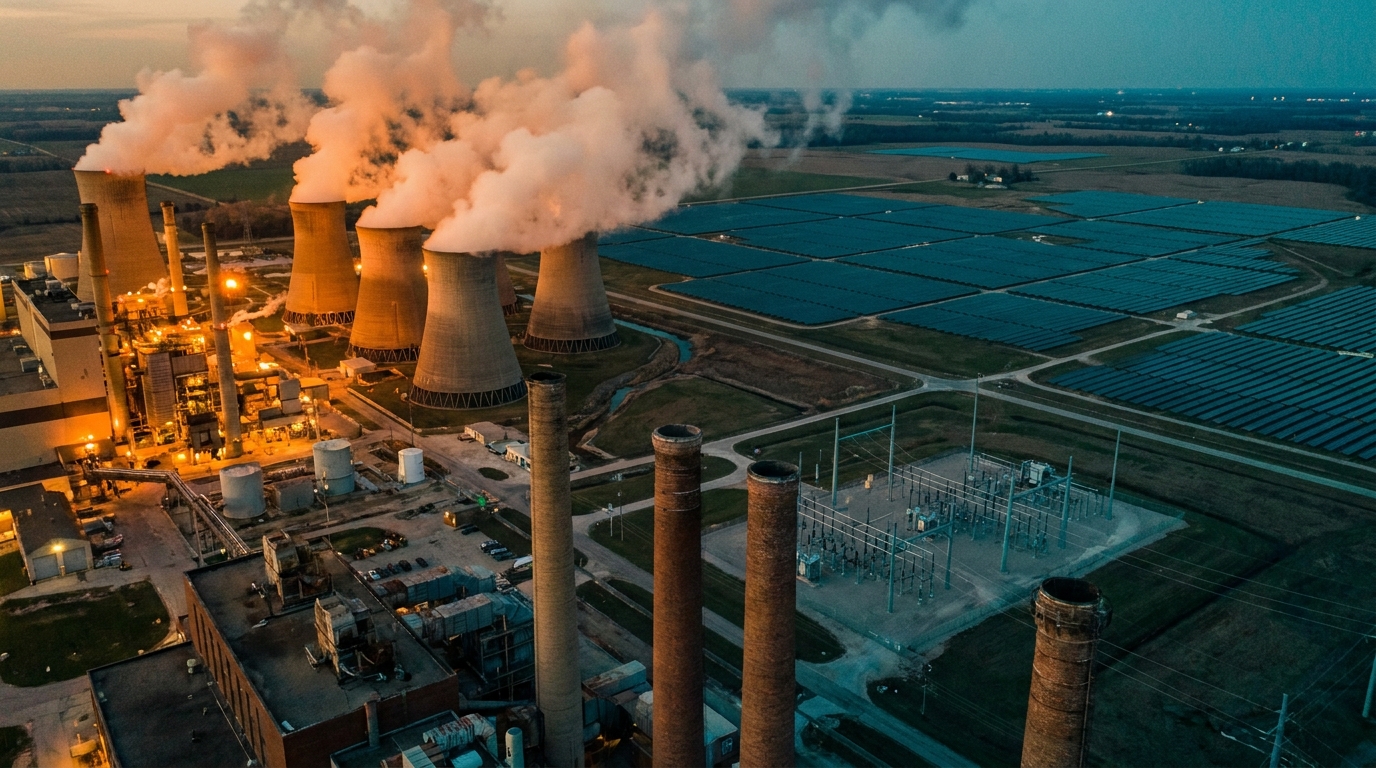
The expiration of federal tax credits for electric vehicles on September 30, 2025, reshaped the U.S. auto market. BEVs had peaked at a 12% share just before the expiration and have lost ground since, particularly in the luxury segment, where they fell from 22% to 14% year-over-year. Hybrids, which were never eligible for those credits, captured buyers seeking efficiency without dependence on a charger. Meanwhile, industrial decarbonization is advancing at a different pace: hundreds of thousands of U.S. manufacturing plants continue to burn natural gas for process heat, responsible for nearly one-third of the energy sector's carbon dioxide emissions, according to a Canary Media report published on the same July 27.
The contrast is telling. While one in four new light vehicles in the U.S. now features some degree of electrification (24% of the total in the second quarter, up from 22% a year earlier), the manufacturing sector is only beginning to explore alternatives to natural gas. Electrifying low- and medium-temperature heat processes, such as those used by breweries, paper mills, and textile manufacturers, would add approximately 250 terawatt-hours to annual industrial electricity demand by 2035, equivalent to 25% more than the sector's current consumption, according to estimates from the Renewable Thermal Collaborative cited by Canary Media. A study from the University of California at Berkeley assessed nearly 3,600 locations and found that renewable-energy heat systems could supply up to one-third of industrial heat demand by 2035.
California responded to the loss of federal credits with the MyFirstEV program, enacted in July 2026, which offers $3,500 at the point of sale to first-time buyers of new electric vehicles, according to Canary Media. The gap between transportation electrification and industrial heat electrification defines two distinct speeds in the decarbonization of the U.S. economy.
This article was drafted with artificial intelligence assistance from verified sources and reviewed by a human editor before publication.
Sources
Related stories
This article was drafted with AI assistance from verified sources and reviewed by a human editor before publication.