U.S. Data Centers Consumed 313 TWh in 2025, Accounting for 40% of Global Demand
The Statistical Review of World Energy 2026 documents the sector's scale for the first time, as Mexico positions itself as the region's second-largest market with more than $18 billion in projected investments through 2030.
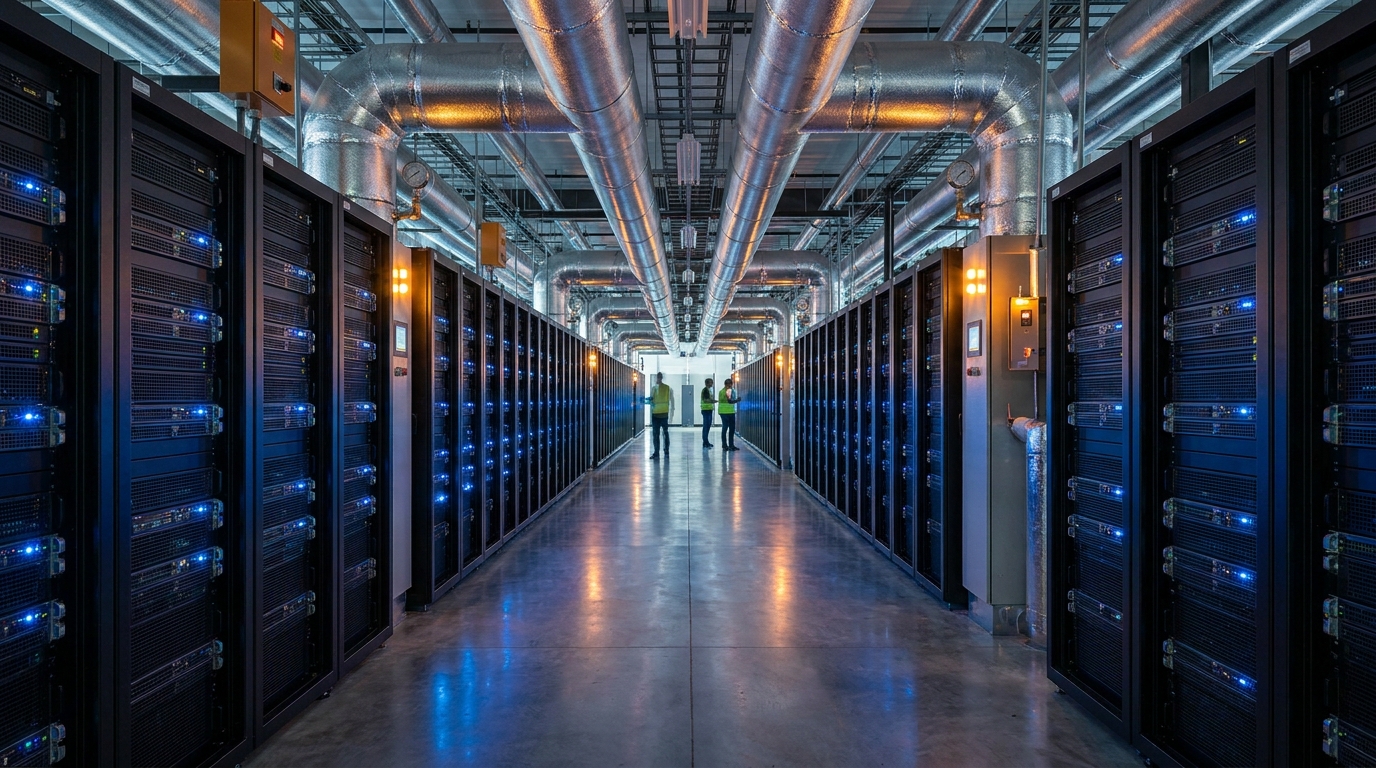
Data centers in the United States consumed 313 terawatt-hours (TWh) of electricity in 2025, representing 40% of global sector demand, according to the Energy Institute's Statistical Review of World Energy 2026, which incorporated this category into its annual report for the first time. The figure exceeds total electricity generation in economies such as Australia, Italy, and Spain.
The report, produced with Ember, KPMG, and Kearney and analyzed by Canary Media, records global data center demand of 788 TWh in 2025, a 59% increase since 2022, driven by the expansion of artificial intelligence infrastructure. In the United States alone, demand grew 25.5% year-over-year. The scale of the phenomenon directly affects Mexico: the Mexican Data Center Association projects investments of more than $18 billion and an additional 1,500 megawatts (MW) through 2030. The country already functions as a server manufacturing node, with assembly operations active in Monterrey and Mexico City feeding the supply chain for U.S. data centers.
The absolute growth in demand comes as major cloud operators report record emissions increases. According to Latitude Media, Google emitted 14.5 million metric tons of CO2 equivalent in its last fiscal year, an 18% annual increase and 81% above its 2019 level; Amazon reported 81 million metric tons, 16% more than the prior year. Analyst Ketan Joshi characterized the strategy as "efficiency-washing": companies highlight relative efficiency improvements while their absolute emissions surge. Google even changed its reporting unit from megawatt-hours to gigawatt-hours to keep figures legible given the outsized growth in consumption, according to the report.
On the Mexican side, the binding constraint lies not in generation but in transmission. Comisión Federal de Electricidad (CFE) will invest approximately $8.5 billion in its transmission network between 2025 and 2030, though analysts consulted by BNamericas warned in June 2026 that the amount falls short of what a network spanning hundreds of thousands of kilometers requires. Developers in Querétaro have financed and donated transmission infrastructure to CFE, adding up to 35% to project capital costs. S&P Global estimates that electricity demand from U.S. data centers will reach up to three times its current level by 2030, adding pressure on electrical supply chains across North America.
This article was drafted with artificial intelligence assistance based on verified sources and reviewed by a human editor before publication.
Sources
Related stories
This article was drafted with AI assistance from verified sources and reviewed by a human editor before publication.
← All news