Brussels Warns Over Diesel Export Ban: 50% of European Imports Come From U.S.
The European Commission calls for prior consultations among partners before measures that affect shared markets.
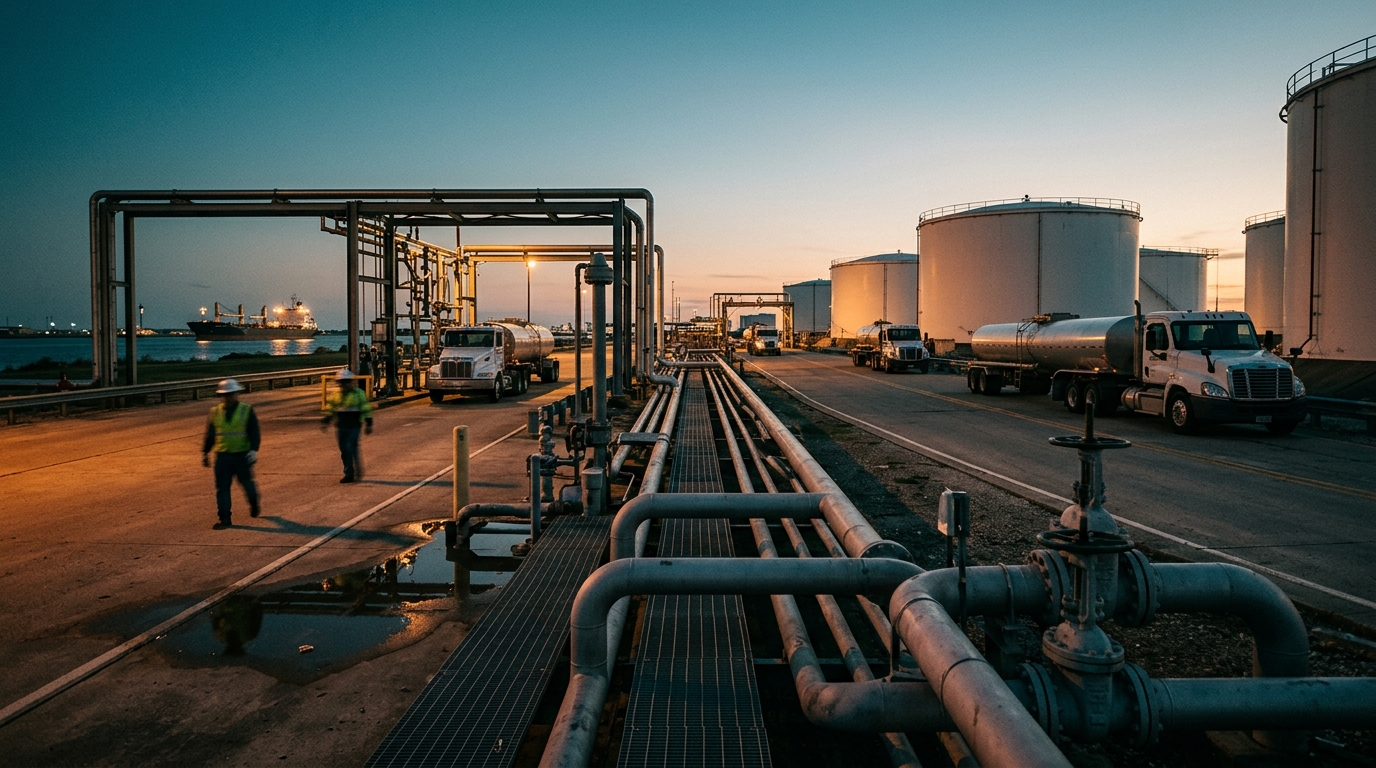
The European Commission warned the United States on September 24, 2026, over its plans to restrict diesel exports and called for prior consultations among partners before measures that affect shared markets, according to The Guardian, on the same day that the U.S. diesel price hit a record $6.52 per gallon.
The trigger is the possible 90-day ban that Washington is weighing to contain the rise at the pump before the November 3 midterm elections. Europe's dependence explains the reaction: the United States supplied about half of the European Union's diesel imports in August, according to La Libre Belgique, citing Commission data, and the bloc's average pump price reached a record 2.23 euros per liter. For Mexico, the episode matters because diesel drives freight transport and industry, and a tightening of the Atlantic market feeds through to import costs.
American players themselves question the measure's effectiveness. Energy Secretary Chris Wright described it as a blunt tool that does not work, according to The Guardian, and the refiners' association AFPM argues, in figures gathered by OilPrice, that a ban would force production cuts, because diesel and gasoline come from the same refining process: U.S. refineries produce nearly 5.3 million barrels per day of distillates against domestic demand of 3.6 million. In Mexico, El CEO reports, using data from the Secretariat of Energy, that Pemex covers 58.1% of the diesel the country demands and needs to raise its production by 72% to supply it on its own: demand averages 470,000 barrels per day and the company's production was 273,231 barrels per day between January and July.
The European Commission's oil coordination group meets this week to review inventories in member states, according to La Libre Belgique, while the restriction remains unconfirmed. The indicator to watch is the diesel-to-crude spread, which hit an all-time high this month.
This article was drafted with artificial intelligence assistance from verified sources and reviewed by a human editor before publication.
Sources
Related stories
This article was drafted with AI assistance from verified sources and reviewed by a human editor before publication.