Thermal Coal Records First Debt Stress Signal as Bonn 2026 Closes Without Climate Deal
Whitehaven Coal triggers the first formal debt stress signal in coal markets, as Bonn 2026 closes without climate financing agreements.
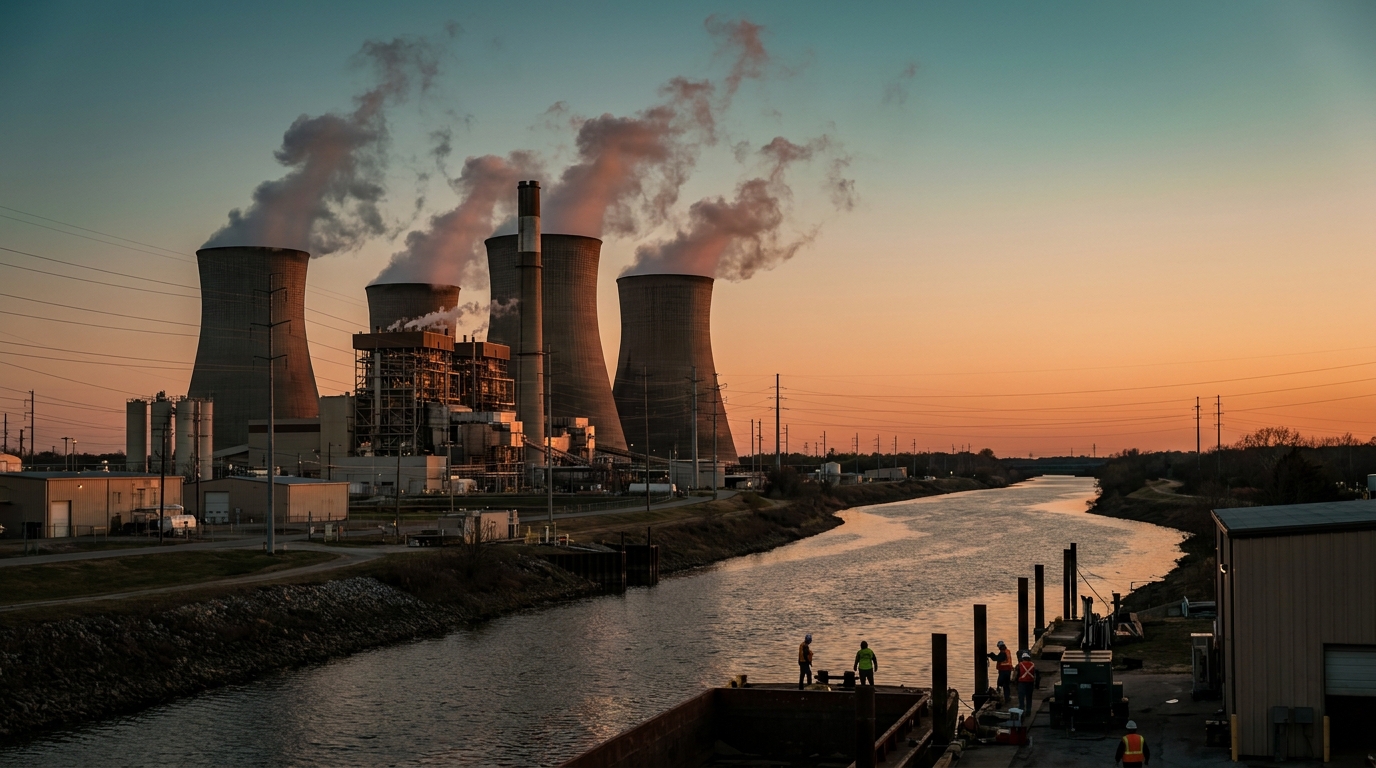
On June 19, 2026, the Institute for Energy Economics and Financial Analysis (IEEFA) documented that the debt prospectus of Whitehaven Coal, an Australian coal producer, includes explicit debt service risk signals, the first formal evidence of its kind in the global thermal coal market. That same day, UN climate negotiations in Bonn concluded without agreements on climate financing.
The Bonn talks, preparatory sessions for the Conference of the Parties (COP31) in Turkey, closed with "Rule 16" invoked on two central issues, blocking consensus and transferring decisions to the next cycle, according to Carbon Brief on June 19. Simon Stiell, Executive Secretary of the UN Framework Convention on Climate Change (UNFCCC), described the sessions as marked by stalling and delay. Yet the same week produced a distinct market signal: following the US-Iran peace agreement that reopened the Strait of Hormuz, the International Energy Agency (IEA) projected an oil surplus for 2027, a scenario that Carbon Brief frames within the "new energy era" narrative.
For Mexico, both signals carry concrete implications. The Comisión Federal de Electricidad (CFE) operates the Petacalco coal-fired plant in Guerrero, with installed capacity of 1,400 megawatts (MW) according to the National Electric System Development Program (PRODESEN), and imports thermal coal primarily from Colombia. The debt market stress documented by IEEFA signals the direction of global institutional capital: refinancing risk for similar assets rises as markets adjust their outlook on coal. The Bonn paralysis on multilateral financing does not halt private flows; the reopening of the Strait of Hormuz and energy price repositioning are accelerating renewable investment through market channels, with direct implications for Mexico's access to instruments such as green bonds and power purchase agreements (PPAs).
The next inflection point is COP31 in Turkey, where the issues blocked in Bonn will need to be reopened. For Mexico's electricity sector, credit spreads on debt issuances by thermal coal producers in international markets offer a leading indicator of the long-term value of assets like Petacalco.
This article was drafted with artificial intelligence assistance from verified sources and reviewed by a human editor before publication.
Sources
Related stories
This article was drafted with AI assistance from verified sources and reviewed by a human editor before publication.
← All news