The Grid, Not Generation, Is Stalling the Transition; 2,500 GW Are Waiting for Connection
The electrical grid, not generation: the bottleneck of the energy transition. The IEA quantifies the gap and CFE responds with an $8,177 million investment plan in Mexico.
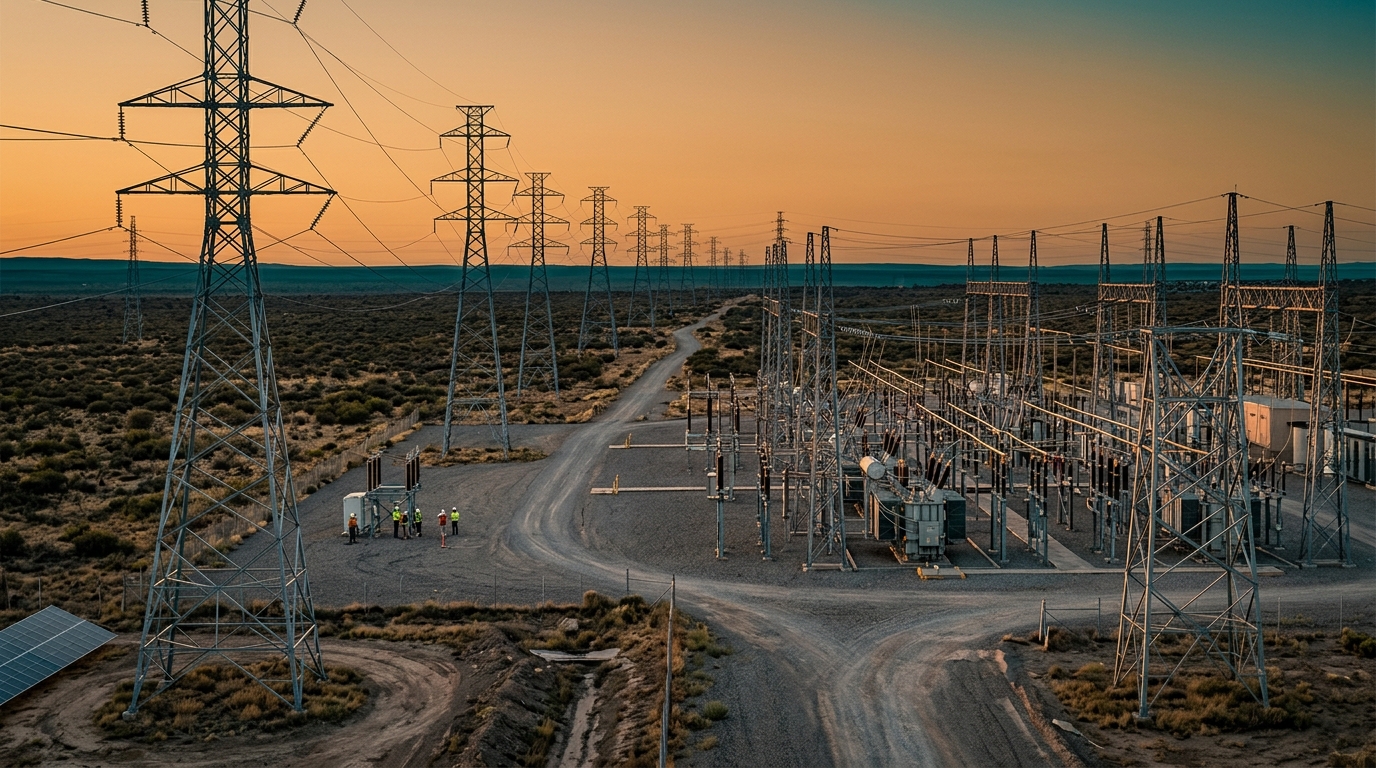
The global energy transition is today running up against the electrical grid, not renewable generation, according to an analysis by El País published on August 16: in Spain, clean power reached 74.5% of total output in 2025, while transmission infrastructure is advancing at a slower pace.
The diagnosis is not unique to Spain. The IEA's Electricity 2026 report, from the International Energy Agency, documents that more than 2,500 GW of renewable, storage, and large-load projects remain in grid connection queues, and estimates that annual grid investment, currently around 400,000 million dollars, needs to increase by roughly 50% by 2030. The timing mismatch explains the tension: planning, permitting, and building grid infrastructure takes between 5 and 15 years, compared with 1 to 5 years for renewable generation. Mexico embodies the same pattern: CFE (Comisión Federal de Electricidad) and the Ministry of Energy presented in August 2025 the 2025-2030 national transmission grid strengthening and expansion plan, with an investment of 8,177 million dollars, according to the IEA policy brief.
The Mexican plan includes 275 new transmission lines and 524 substation works, to expand coverage, reliability, and capacity to more than 50 million users, according to the same policy brief. The gap is not only physical. The El País analysis notes that in Spain almost 85% of renewable generation is concentrated in rural areas, which show a 20% electrification gap compared with cities, and identifies storage, interconnections, and behind-the-meter solutions as the levers for the second phase of the transition. The IEA estimates that grid enhancement technologies and flexible connection agreements have the potential to unlock between 1,200 and 1,600 GW of queued projects in the short term.
The key indicator to watch is whether grid investment keeps pace with generation investment. In Mexico, the execution of the 2025-2030 plan and its financing, which includes investor participation through CFE Fibra E, will determine how much of the already-installed renewable capacity can actually be dispatched; in Europe, the European Commission is aiming to double the electrification rate, from 23% to 46%.
This article was written with the assistance of artificial intelligence from verified sources and reviewed by a human editor before publication.
Sources
Related stories
This article was drafted with AI assistance from verified sources and reviewed by a human editor before publication.