PJM Shifts Data Center Capacity Obligations to States
PJM shifts data center demand to the states, which must secure their own capacity or face curtailments during emergencies; FERC has the final say on the plan.
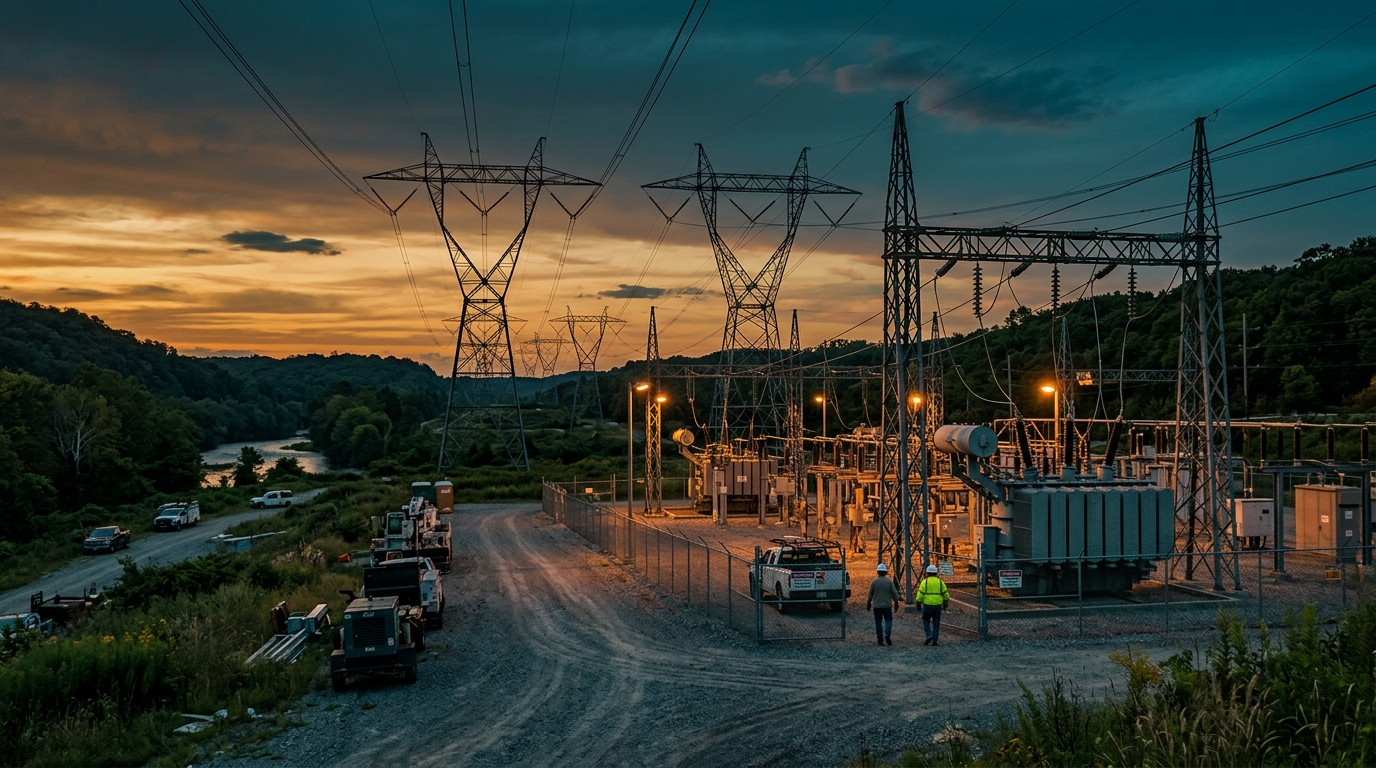
PJM Interconnection, the largest grid operator in the United States, submitted a plan to the Federal Energy Regulatory Commission (FERC) in late July 2026 requiring states to mandate that data centers secure their own capacity or face curtailments during emergencies, according to Canary Media. The operator projects those loads will add 30 to 34 gigawatts (GW) of new demand by the early part of the next decade.
PJM serves roughly 67 million people across 13 states, from Virginia to Illinois. The plan responds to mounting pressure over capacity costs: in the operator's most recent auction, data centers accounted for $6.3 billion of the $16.4 billion in charges, or 38%, according to Monitoring Analytics, the independent market monitor, as cited by Utility Dive. The debate has implications for Latin America, where the nearshoring-driven data center boom is similarly straining grids with constrained capacity; in Mexico, the question of how much demand electricity systems can absorb is running in parallel.
The plan, called the Interim Resource Adequacy Service (IRAS), creates a registry of all loads exceeding 50 megawatts (MW) and allows those facilities to avoid curtailments by contracting their own capacity through new or upgraded plants, solar, wind, batteries, demand response, or virtual power plants. Beginning in June 2027, facilities that fail to comply will be subject to curtailments before demand management protocols are triggered. In a separate proposal, PJM requested an emergency backup auction to cover the 6.8 GW shortfall from its most recent capacity auction, without requiring data centers to pay for it. Kent Chandler, former chairman of the Kentucky Public Service Commission, noted that a large customer arriving with contracted new capacity is ready to operate.
FERC must approve the plan before PJM can implement it, and states bear most of the operational burden: according to the Citizens Utility Board, a consumer organization in Illinois, no state is fully prepared to enforce such capacity requirements. The next milestone to watch is FERC's decision and whether states such as Illinois advance initiatives like the POWER Act, which would require data centers to pay for clean energy.
This article was written with AI assistance from verified sources and reviewed by a human editor before publication.
Sources
Related stories
This article was drafted with AI assistance from verified sources and reviewed by a human editor before publication.