PJM Unlocks More Than 50 GW of Renewables After Years of Waiting
PJM unlocks more than 50 GW of solar, wind, and battery projects in its interconnection queue. Grid upgrades and permitting will determine whether they get built.
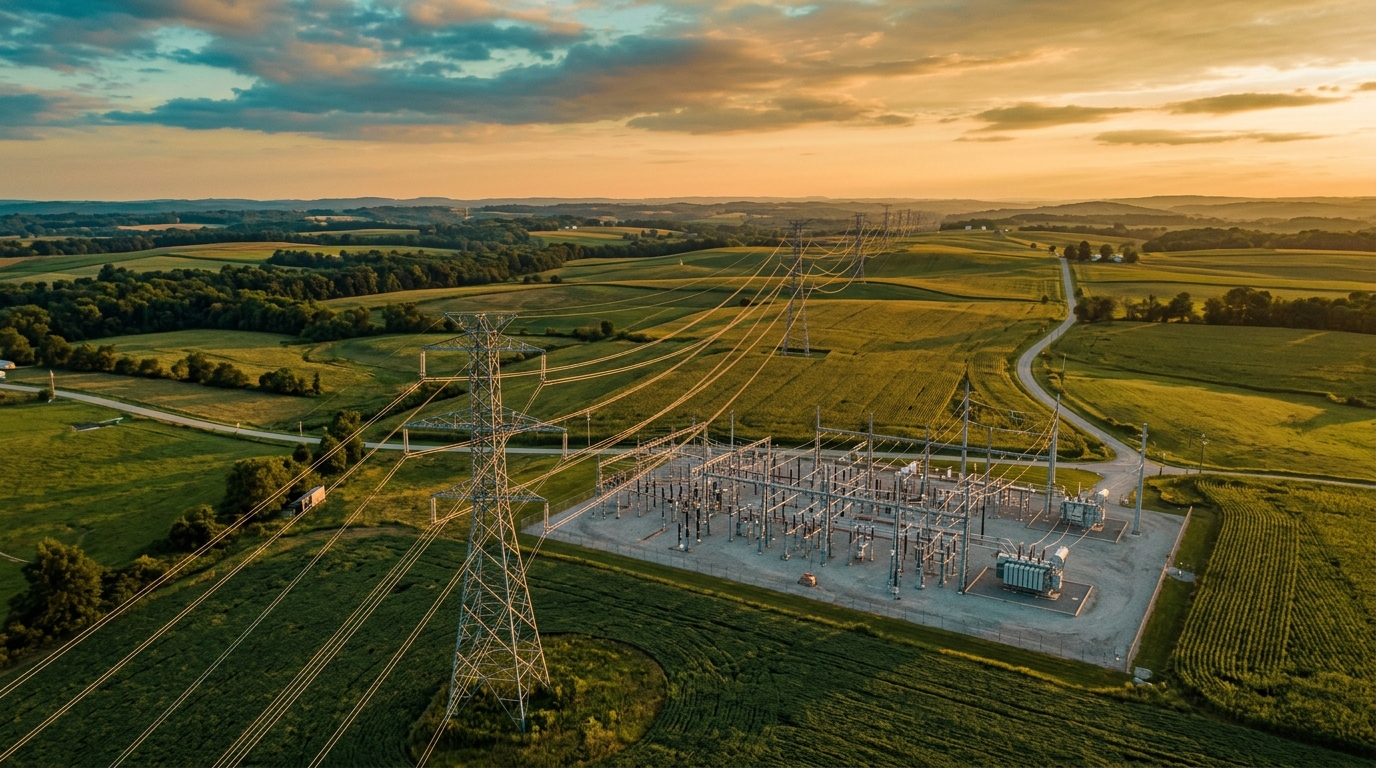
PJM Interconnection, the largest grid operator in the United States, granted connection rights to more than 50 GW of generation projects last year, primarily solar, wind, and batteries, according to a report by Canary Media published on August 24, 2026. Some of those projects had been waiting in the queue since 2018.
The approval closes a reform cycle for PJM, which froze its interconnection queue in 2022 and reopened it in April 2026 with the first-ready, first-served process, which evaluates a project's financial viability first. That new cycle received 811 applications totaling 220 GW, and PJM forecasts that demand in its region will grow by more than 30 GW between 2024 and 2030, driven by data centers, according to Utility Dive. The case matters for the region: the backlog PJM accumulated over the years mirrors the bottlenecks facing CENACE, Mexico's grid operator, and other Latin American operators seeking to connect solar, wind, and storage generation.
An approved interconnection does not guarantee construction. Some 41% of U.S. projects that signed interconnection agreements between 2000 and 2022 ultimately withdrew, according to data from the Lawrence Berkeley National Laboratory cited by Canary Media. Utilities in the area take several years to build the substations and connection lines required, developer EDP Renewables noted; researcher Abraham Silverman of Johns Hopkins attributes the delay to the fact that these upgrades do not enter the regulated rate base. A May report by Aurora Energy Research, commissioned by RMI, estimated $10.9 billion in savings for consumers over a decade if 5 GW of solar and 5 GW of wind are added by 2028. Supply chain constraints on turbines and transformers, the same pressures bearing on projects across the region, will define the timelines.
PJM expects to complete its review of all 811 applications within one to two years, according to Utility Dive. The key variable to watch is whether grid upgrades, local permits, and available equipment allow the more than 50 GW of approved projects to come online before 2030.
This article was produced with artificial intelligence assistance from verified sources and reviewed by a human editor before publication.
Related stories
This article was drafted with AI assistance from verified sources and reviewed by a human editor before publication.