Pemex Nearly Doubles Natural Gas Flaring in the Second Quarter
The state oil company flared or vented an average of 778 million cubic feet per day of gas in the second quarter, 99% more than a year earlier, due to infrastructure constraints.
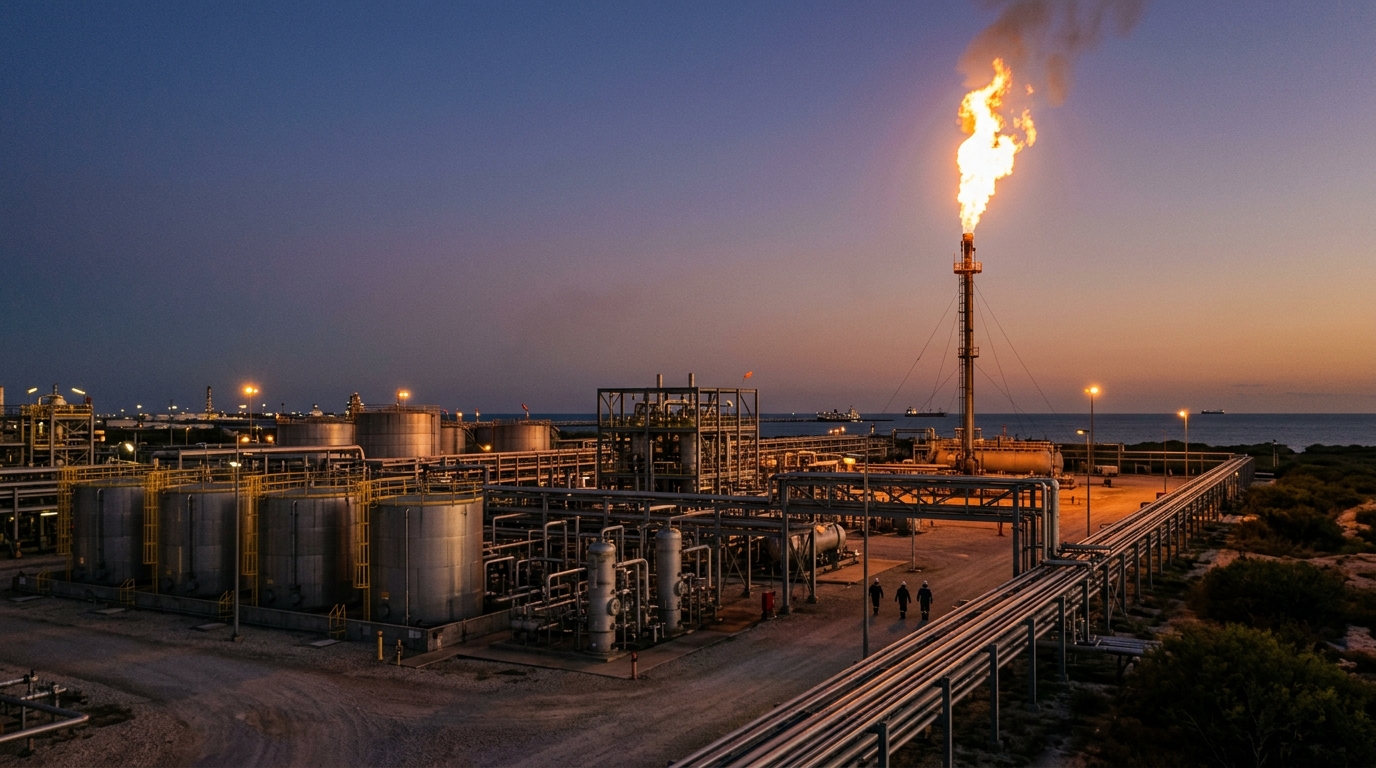
Petróleos Mexicanos (Pemex) flared or vented an average of 778 million cubic feet per day of natural gas in the second quarter of 2026, 99% more than a year earlier, according to its financial results report. This is the highest quarterly volume in at least a decade, according to El Economista.
Pemex attributed the increase to infrastructure limitations for handling gas from the Ixachi field, maintenance work at the Papán station, process restrictions due to high hydrogen sulfide content at the Cactus and Nuevo Pemex complexes, and insufficient transport capacity with containment loss in the Quesqui 4-Jujo system. From January through June, the company utilized 88.3% of the gas it produced, down from 93.7% over the same period in 2025 and well below the 98% level considered international best practice, according to El Economista. The figure carries significant regional weight: Mexico imports more than 70% of its natural gas consumption from the United States and generates more than 60% of its electricity with that fuel, according to Bloomberg Línea.
Flaring has now risen for four consecutive quarters, with an average increase of 19% between each period, according to El Economista. In 2024, the average stood at 285 million cubic feet per day; the current volume is 2.7 times higher. In 2018, waste stood at 160 million cubic feet per day; today Pemex flares 4.8 times as much. The quarter's flaring is equivalent to 19% of the company's total gas production, which grew 11% year-over-year to an average of 4,000 million cubic feet per day at the close of June, and to the emission of approximately 40,000 tons of carbon dioxide, according to estimates by Ramsés Pech, director of consultancy Caraiva y Asociados, as cited by Bloomberg Línea.
The third-quarter report will reveal whether flaring sustains its four-quarter upward trend or whether ongoing work at Ixachi and the Quesqui 4-Jujo system brings it down. That outcome will determine the share of gas Mexico continues to purchase from the United States to meet its demand.
This article was produced with artificial intelligence assistance from verified sources and reviewed by a human editor before publication.
Sources
Related stories
This article was drafted with AI assistance from verified sources and reviewed by a human editor before publication.