Oil at $150: The Extreme Scenario After the Saudi Pipeline Shutdown
The shutdown of Saudi Arabia's East-West pipeline puts crude in an extreme $150 scenario and the Mexican Mix at $105, against the $62 assumed in the 2027 Economic Package.
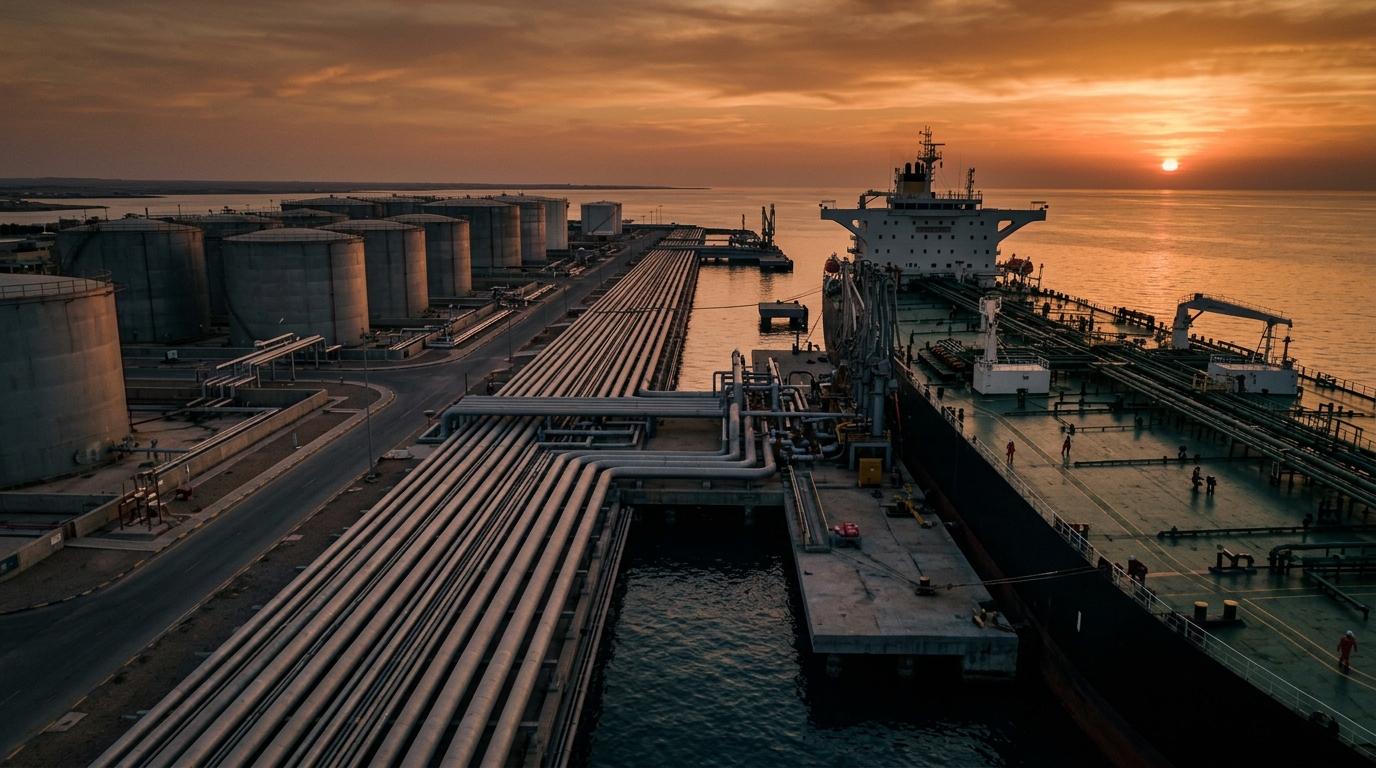
The shutdown of Saudi Arabia's East-West pipeline, out of service since mid-September 2026 after drone attacks, puts crude in an extreme scenario of $150 per barrel, according to the analysis Cinco Días published on September 16. The line is the route that bypasses the Strait of Hormuz and, according to OilPrice, it carried around 4 million barrels per day (mb/d) to the port of Yanbu, on the Red Sea.
The pipeline does not operate in isolation. The monthly report from the International Energy Agency (IEA), released on September 11, reports a withdrawal of 507 million barrels from global inventories since February, with 95 million drained in August alone at a rate of 2.8 million barrels per day. The IEA projects that world supply will average 100.7 mb/d in 2026, 5.7 mb/d below 2025, and warns that the system's buffers are running out while the North Sea benchmark crude jumped from $91 per barrel in August to $113.48 on September 9.
The cascading effect has names attached. Helima Croft, of RBC Capital Markets, estimates that close to 9 million barrels per day of Middle East supply is offline. Mike Wirth, Chevron's chief executive, said at an energy conference at the University of Texas that the market's buffers have been exhausted and that risks remain skewed to the upside. The average price of diesel in the United States hit $6 per gallon for the first time, and stocks in Yanbu are enough to sustain loadings for only a few days.
For Mexico, the Mexican Export Mix traded at $105 per barrel on September 11, against the $62 that Hacienda assumes for 2027 and the $78 estimated for the close of 2026. Every one-dollar move in the average price alters oil revenues by 9.6 billion pesos.
The next markers are the IEA's monthly report and how the Mexican Mix moves against the $62 that Hacienda budgets for 2027, a gap that will show up in next year's oil revenues.
This article was written with the assistance of artificial intelligence from verified sources and reviewed by a human editor before publication.
Sources
Related stories
This article was drafted with AI assistance from verified sources and reviewed by a human editor before publication.