NV Energy Sues Tract Over Who Pays for the 2 GW Grid
Nevada's largest utility is suing the data center developer to have the cost of its grid expansion decided in a public forum, not private arbitration.
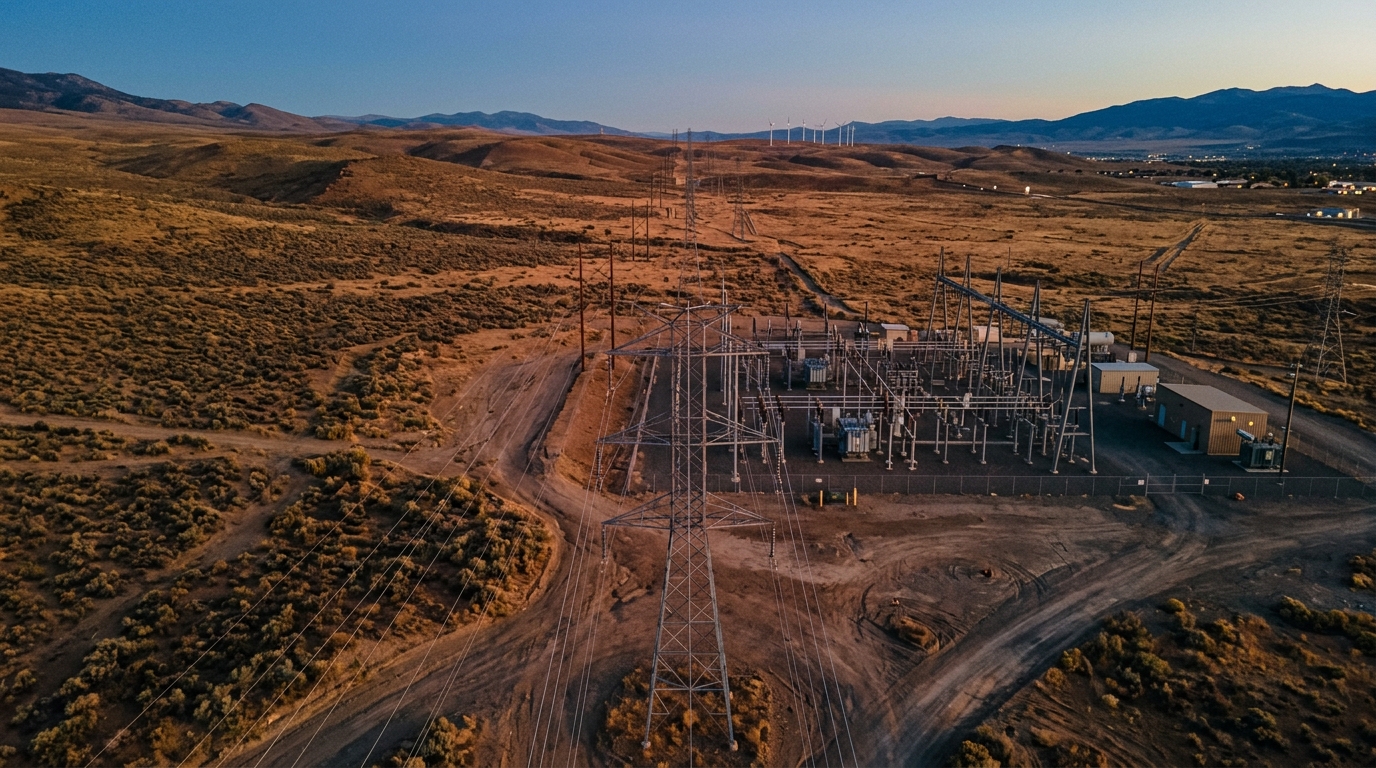
NV Energy, Nevada's largest utility, sued data center developer Tract on July 24. According to Latitude Media, the utility is seeking to have the energy allocation and rates for its two campuses near Reno, with combined demand of more than 2 GW, resolved before the state regulator rather than in private arbitration.
Tract, headquartered in Denver, is developing two campuses that together will demand more than 2 GW, nearly a third of NV Energy's generation capacity, which serves 90% of the state. The dispute stems from agreements signed by NV Energy and Reno Power, Tract's local subsidiary, that set the terms for delivering electricity to the data centers. Tract requested in June to move to private arbitration; weeks later, NV Energy sued to stop it, arguing that only the Nevada Public Utilities Commission (PUC) can rule on rates and cost allocation, because the outcome affects all ratepayers. According to CBS News, this is the first lawsuit by a major utility against a data center developer in the United States.
The arbitration request came after NV Energy submitted its proposed large-load service framework in May, as part of its resource plan. Analyst Nick Zenkin noted that the framework proposes a minimum demand commitment of 90% over 25 years, the longest seen in the country; the second longest, in Florida, is 20 years. Tract counters, according to CBS News, that it has already invested more than $127 million in infrastructure in Nevada and committed nearly $1 billion in grid improvements, and that the problem is that the utility is not delivering the agreed power. NV Energy argues that without the expansion, it will have to raise rates. In June, Oracle sued the Wisconsin commission over its guarantee rules for large customers.
Nevada's PUC will have to decide whether the case stays in a public forum and what rate framework governs large loads. The ruling will set precedent on who pays for grid expansion, a debate also present in Mexico and Latin America amid growing data center demand.
This article was written with artificial intelligence assistance based on verified sources and reviewed by a human editor before publication.
Sources
Related stories
This article was drafted with AI assistance from verified sources and reviewed by a human editor before publication.
← All news