Mexico Identifies 39 Oil Fields Viable for Geothermal Using Inactive Wells
The IMP reported that 39 of the 187 fields analyzed can convert inactive wells into geothermal generation through the Organic Rankine Cycle.
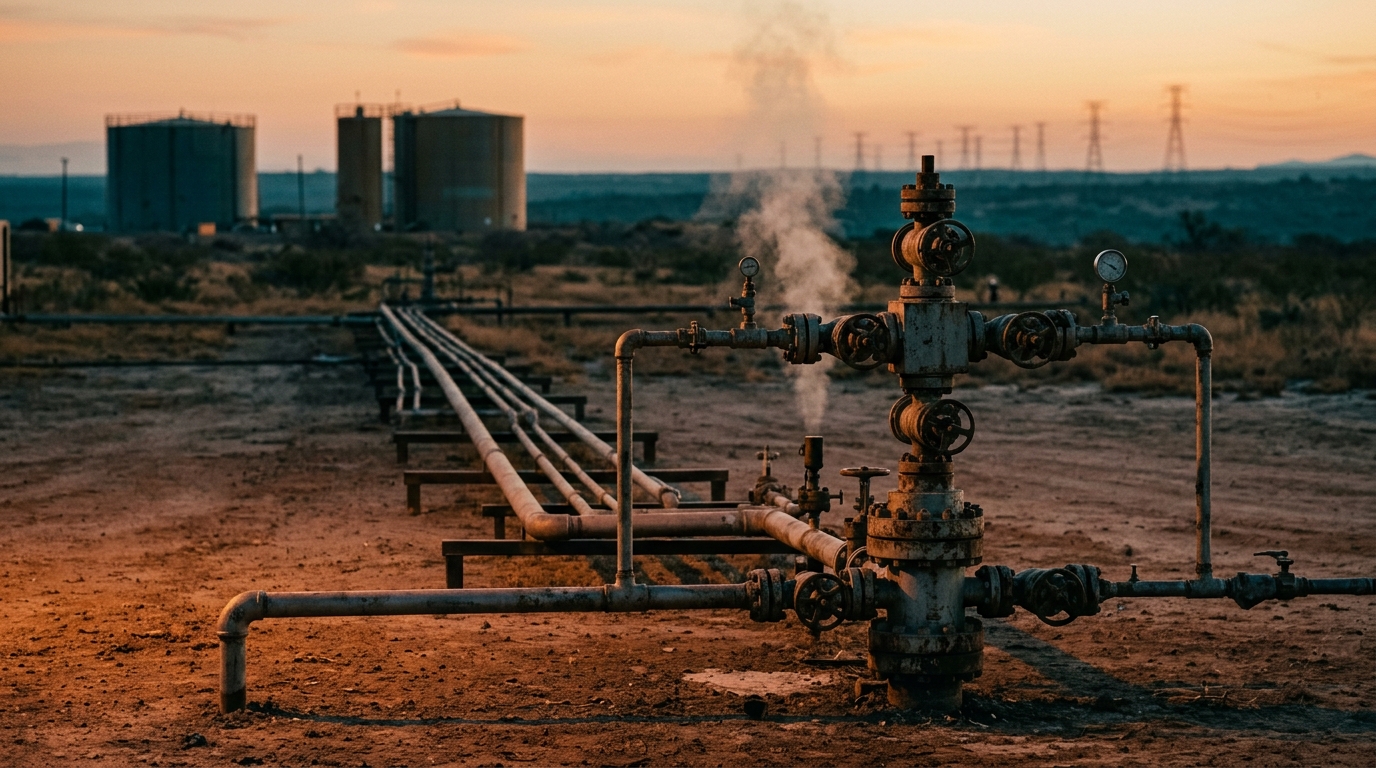
The Mexican Petroleum Institute (IMP) reported on September 2, 2026 that 39 onshore oil fields in Mexico have high potential for converting inactive wells into geothermal power generation, out of a universe of 187 fields analyzed.
The figure was presented at the Latin America Geothermal Systems Workshop 2026, the first workshop that the American Association of Petroleum Geologists (AAPG) has devoted exclusively to non-traditional geothermal systems in Latin America, according to ThinkGeoEnergy. The meeting was held on September 2 and 3 in Mexico City with the participation of the Ministry of Energy (SENER), Pemex, the Federal Electricity Commission (CFE), UNAM and the National Institute of Electricity and Clean Energies (INEEL). The project is being developed jointly by the IMP, Pemex, UNAM and INEEL, which in January 2026 announced the country's first geothermal initiative aimed at the energy transition. For the region, the approach transfers oil industry capabilities (seismic logs, wells, pipelines) onto the geothermal map.
From the diagnosis presented: of the 187 national fields evaluated, 78 register temperatures of 90 °C or more and 39 are onshore with high viability for converting wells. Five wells with bottomhole temperatures above 140 °C were identified as candidates for generation tests using the Organic Rankine Cycle (ORC), which turns the inactive well into a closed-loop coaxial heat exchanger: water is injected through the annulus and comes back up hotter through the production tubing. The economic incentive is direct: drilling accounts for more than half the investment in a conventional geothermal project. Mexico has more than 1,600 identified thermal manifestations, close to 50% between 63 °C and 100 °C and 40% between 100 °C and 149 °C. "The energy transition is not about abandoning our history, it is about transforming it," said IMP director general Elizabeth Mar Juárez.
The workshop closed with four conditions identified to move these opportunities from research to commercially viable projects: regulatory framework, selection of fields and wells, competitive technologies and available demand, plus financing mechanisms and management of exploration risk. Generation tests at the five candidate wells are the next milestone to watch.
This article was written with the assistance of artificial intelligence from verified sources and reviewed by a human editor before publication.
Sources
- Encuentro internacional reúne a Gobierno, industria y academia para impulsar la geotermia
- Latin America Geothermal Systems Workshop 2026
- AAPG hosts workshop on developing geothermal in Mexico using oil and gas assets
- IMP, Pemex, INEEL y UNAM arrancan el primer proyecto de geotermia para la transición energética de México
Related stories
This article was drafted with AI assistance from verified sources and reviewed by a human editor before publication.