BloombergNEF Projects EVs Will Reach 66% of Mexico's Auto Sales by 2040
BloombergNEF projects that electric vehicles and plug-in hybrids will account for 66% of passenger car sales in Mexico by 2040, with Chinese brands leading the domestic market.
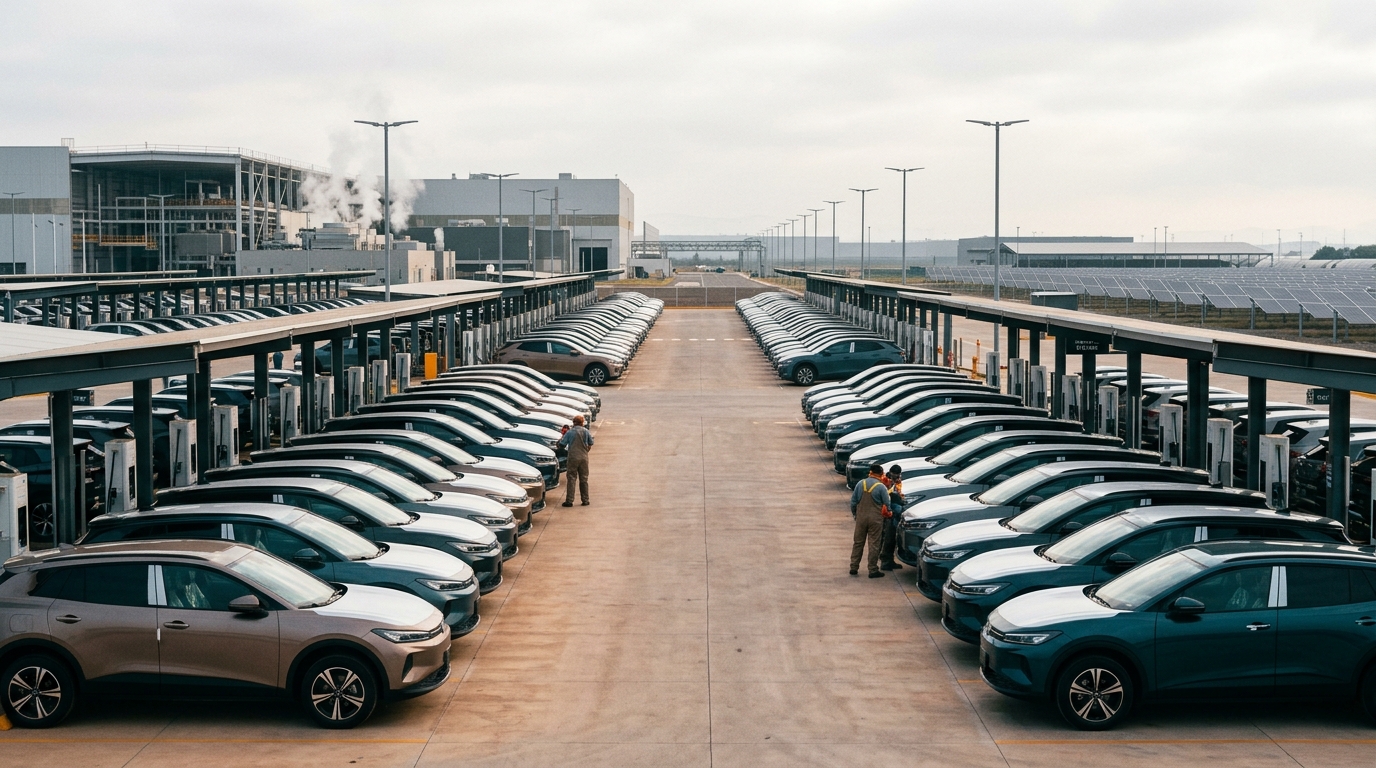
BloombergNEF published its Long-Term Electric Vehicle Outlook 2026 on August 6, projecting that electric vehicles and plug-in hybrids will reach 66% of passenger car sales in Mexico by 2040 and will surpass half the market in 2037.
The report starts from a 2025 baseline in which EVs and plug-in hybrids represented 7% of passenger car sales in Mexico, with more than 100,000 units sold, and estimates the share will rise to nearly 17% in 2030, according to Milenio. The supply structure explains the trajectory: BYD, Geely, and Changan concentrated 89% of EV sales in Mexico during 2025, up from 67% the year before, according to the BloombergNEF study. Several traditional manufacturers assemble electric vehicles on Mexican territory, but most of their production is exported to the United States, which limits their share of the domestic market. For the regional nexus between the Gulf basin and Latin America, the figure traces a Mexican electrification curve sustained by Chinese supply rather than by integration with U.S. manufacturing.
The Mexico projection is part of the study's Economic Transition Scenario, which models adoption using current techno-economic trends and without new public policies. Bloomberg LatAm summarizes the EVO's global conclusions: falling battery prices and relative cost improvements over internal combustion engines are driving the expansion, while adoption in the United States and Europe has slowed due to regulatory shifts. BNEF estimates that annual EV sales in Mexico will approach one million units toward the end of the 2030s. The study flags two factors to watch in the Mexican case: the geopolitical tensions surrounding Chinese brands' plans to establish assembly plants in the country, and the evolution of the Olinia affordable electric vehicle project.
The next benchmark is four years out: the nearly 17% share in 2030, against which the actual pace of adoption will be measured. The data point to watch is whether traditional manufacturers reorient their local production toward the domestic market, and how Chinese supply advances as assembly plans in the country take shape.
This article was written with artificial intelligence assistance based on verified sources and reviewed by a human editor before publication.
Sources
Related stories
This article was drafted with AI assistance from verified sources and reviewed by a human editor before publication.
← All news