Harbour Energy operates 11 rigs in Vaca Muerta and seeks growth in LatAm
The British oil company produces 70,000 barrels of oil equivalent per day in Argentina and holds 15% in a 6-million-tonne-per-year floating LNG project.
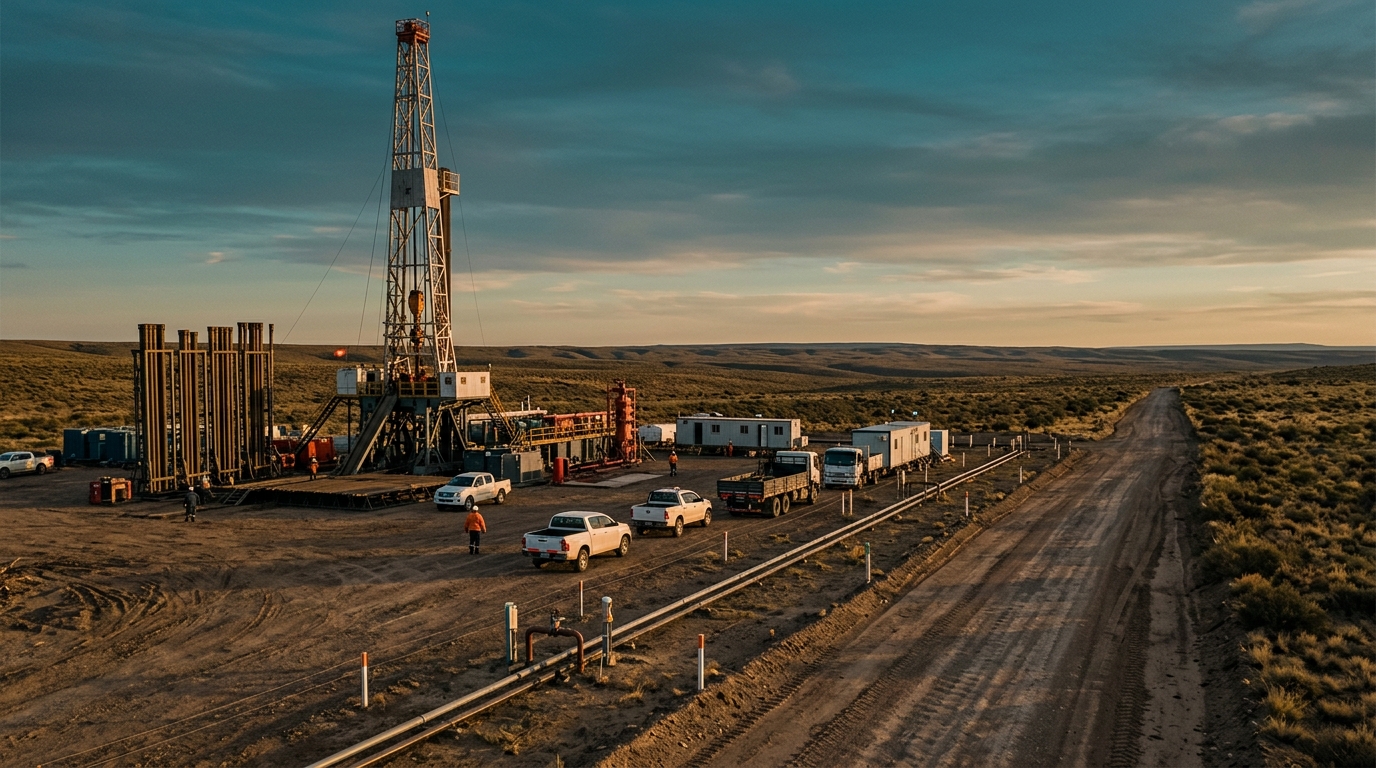
British oil company Harbour Energy operates an 11-rig drilling program in Vaca Muerta and produces around 70,000 barrels of oil equivalent per day in Argentina, CEO Linda Cook said on September 8 at the Barclays Energy-Power conference.
Cook put Argentina among the company's five core countries, alongside Norway, the United Kingdom, the United States, and Mexico. "We are quite excited about Argentina," she told investors and analysts. Interest in Latin American shale is arriving in a firm price cycle: the U.S. Energy Information Administration (EIA) projects in its September 9 report that Brent will average $91 per barrel in 2026, with a cumulative global inventory draw of 400 million barrels over the year. Mexico is also among those five core markets. For the region, the effect is exploration capital flowing out of mature U.S. basins.
Most of the 70,000 barrels of oil equivalent per day comes from conventional offshore assets off Tierra del Fuego, mainly natural gas for the domestic market, plus developments operated by TotalEnergies that Cook described as high-return and good-margin. In Vaca Muerta, the executive noted that "wells are getting cheaper" and that the learning curve seen in the United States is alive in Argentina, with more contractors and new pipeline infrastructure. Harbour also holds 15% in Southern Energy LNG, a project with two Golar floating liquefaction vessels and combined capacity of 6 million tonnes per year. The precedent is its 2022 exit from the Sea Lion project in the North Falkland Basin, after the disqualification process Argentina opened in 2021.
The next data point to watch is the EIA's updated report expected on October 6, which will revisit Brent's trajectory and the pace of inventory rebuilding. The EIA anticipates that crude will fall to $74 per barrel in 2027, a cycle shift that will define the appetite for new unconventional basins.
This article was written with artificial intelligence assistance from verified sources and reviewed by a human editor before publication.
Sources
Related stories
This article was drafted with AI assistance from verified sources and reviewed by a human editor before publication.