Greenpeace Demands Halt to Topolobampo Ammonia Plant; Proman Agrees to Talks
The organization sent letters to Proman executives and Germany's KfW IPEX-Bank; the company requested a meeting for July 27.
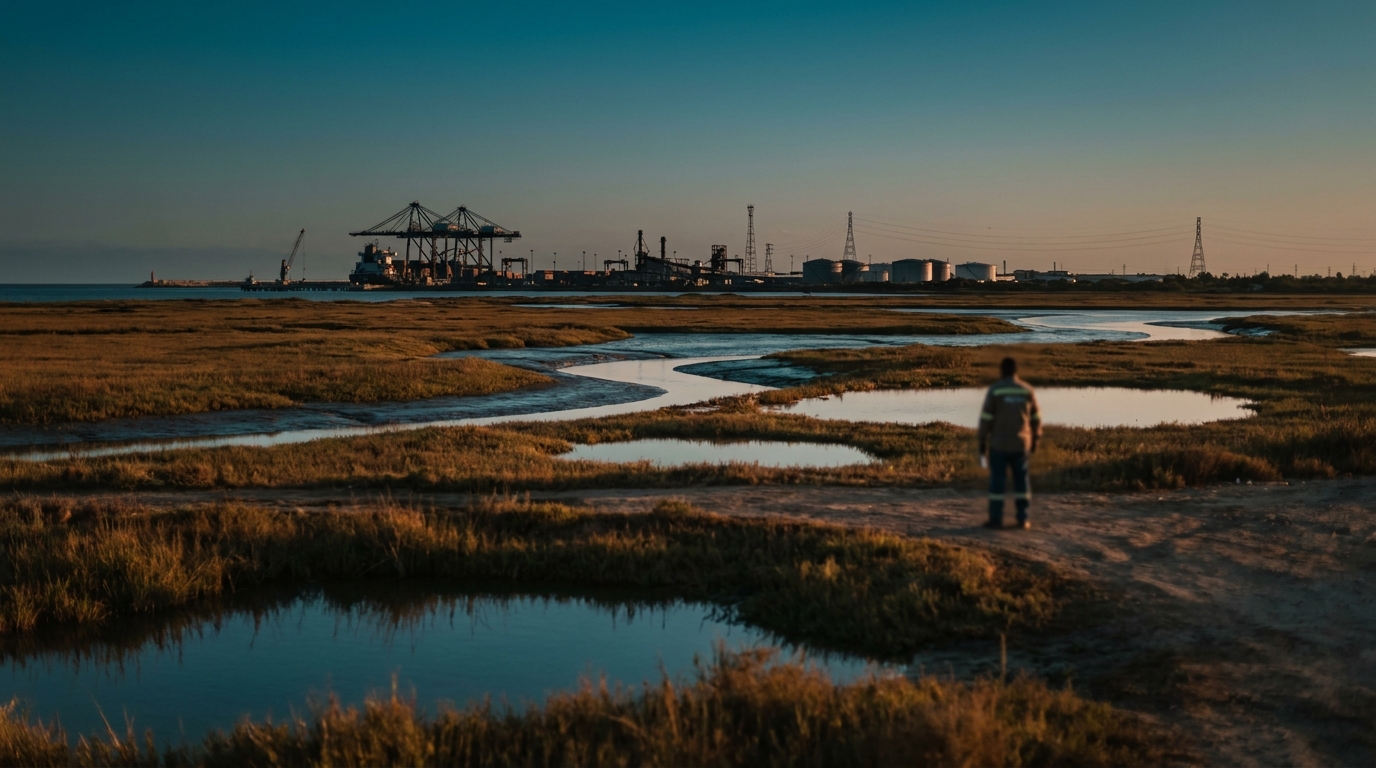
On July 24, Greenpeace México demanded the cancellation of the anhydrous ammonia megaplant that Gas y Petroquímica de Occidente (GPO), a subsidiary of Swiss-German conglomerate Proman, is building in Topolobampo, Sinaloa, with a projected capacity of up to 800,000 tonnes per year. The organization sent letters to Proman executives and Germany's KfW IPEX-Bank requesting withdrawal of project financing.
The plant is located in Bahía de Ohuira, a wetland designated as a Ramsar site of international importance, habitat for whales, dolphins, and mollusks, and a larval nursery zone for various marine species. According to Greenpeace, anhydrous ammonia can disrupt aquatic ecosystems, acidify soil, and contaminate the atmosphere, posing risks to artisanal fishing and the bay's biodiversity. Mayo-Yoreme indigenous communities and local collectives have led opposition to the project for more than a decade. In 2022, Mexico's Supreme Court of Justice ordered an indigenous consultation; civil society organizations have noted that the process did not fully comply with International Labour Organization (ILO) Convention 169 on free, prior, and informed consultation.
Construction of the plant began in April 2026, as reported by El Financiero. The federal government maintains dialogue sessions coordinated by the Ministry of the Interior (Secretaría de Gobernación) and the National Institute of Indigenous Peoples (INPI) with communities, specialists, and the company. Greenpeace also called on the federal government to cancel the project and stop approving fossil fuel infrastructure that compromises indigenous rights. GPO requested a meeting with Greenpeace, scheduled for July 27, to address the environmental and social concerns raised, according to Forbes México. The project is framed within federal government development plans aimed at strengthening domestic fertilizer production and generating employment in the region.
The July 27 meeting between Greenpeace and the company will determine whether dialogue opens a path to understanding or whether the organization escalates its international pressure campaign. In parallel, the federal government-coordinated dialogue sessions continue with indigenous communities, the company, and specialists.
This article was written with artificial intelligence assistance based on verified sources and reviewed by a human editor before publication.
Sources
Related stories
This article was drafted with AI assistance from verified sources and reviewed by a human editor before publication.
← All news