FCC Blocks New Foreign Solar Inverters; 93% of U.S. Market Depends on Imports
The U.S. regulator's ruling took effect immediately, with no transition period, and freezes authorization for more than 58,000 MW in planned solar projects.
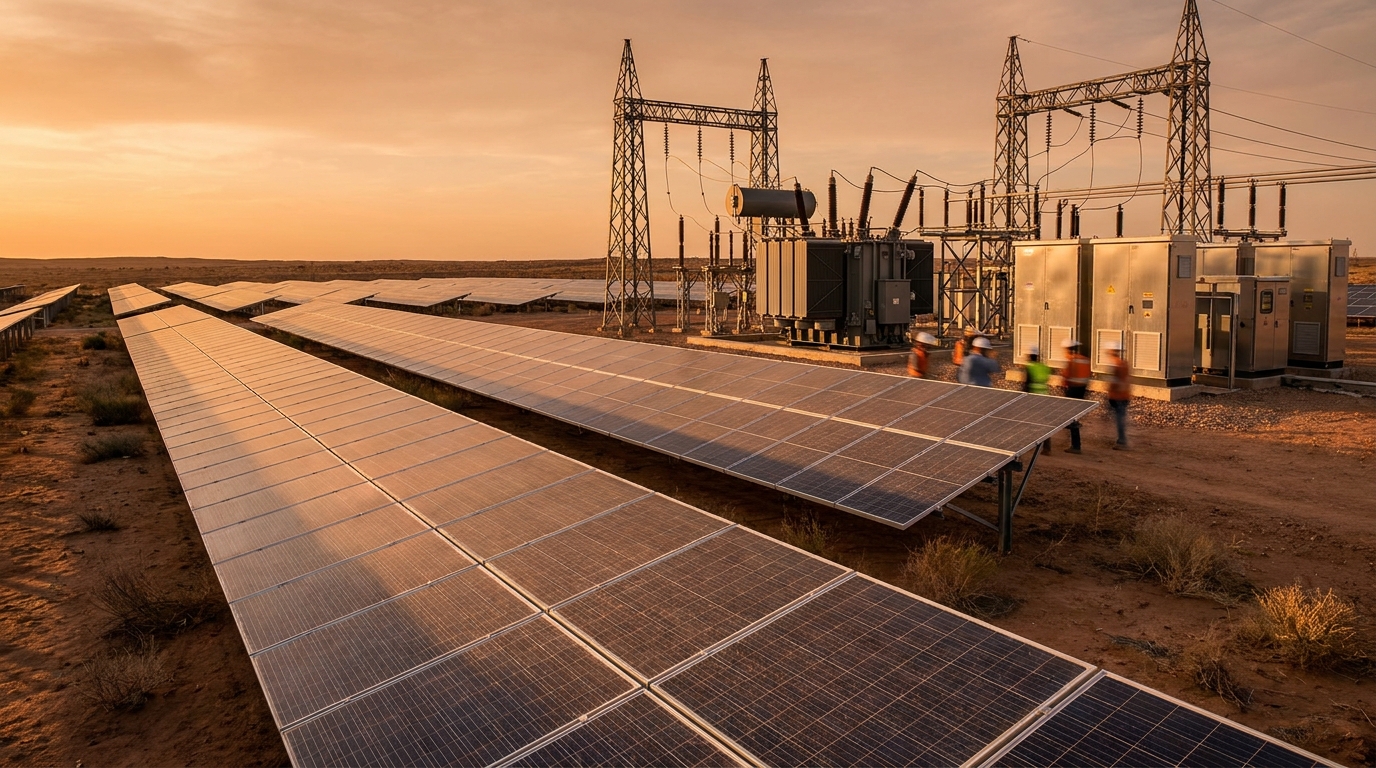
The U.S. Federal Communications Commission (FCC) added foreign-origin power inverters to its Covered Equipment List on July 28, 2026, a classification that immediately blocks authorization of new models for import and sale in the country. The measure responds to a national security determination issued by a White House interagency body.
The restriction applies to bidirectional inverters (including microinverters, string inverters, and central inverters) that incorporate remote connectivity via Wi-Fi, cellular network, or Bluetooth. The FCC grounds the measure in the risk that foreign actors could remotely shut down equipment, extract operational data, or execute cyberattacks against the U.S. electrical grid. The measure does not affect already-installed equipment or previously authorized models, but it took effect with no transition period and no automatic exemption clause. According to Department of Energy data cited by pv magazine, domestic manufacturers supply just 7% of the solar inverter market in the United States; the remaining 93% depends on foreign suppliers, with China as the world's largest manufacturer.
The decision freezes authorization of new inverters for more than 58,000 megawatts in solar and storage projects planned for the coming year in the United States, according to the same Department of Energy data. Without certified equipment, those projects cannot connect to the grid, and switching inverter models triggers an engineering review process that sends them to the back of the interconnection queue. The FCC provides an exemption pathway: Conditional Approval, which requires the manufacturer to expose its supply chain and firmware to federal auditors from the Department of Defense or the Department of Homeland Security. China's embassy in Washington characterized the restriction as protectionist, as reported by Fox Business.
The decision introduces a disruption variable for solar supply chains across North America. Developers in Mexico and the rest of Latin America, who share manufacturers with the U.S. market, will closely monitor whether the measure diverts available inventory toward the United States or generates new compliance requirements from suppliers.
This article was written with artificial intelligence assistance from verified sources and reviewed by a human editor before publication.
Sources
Related stories
This article was drafted with AI assistance from verified sources and reviewed by a human editor before publication.