DOE: Southeast U.S. Pays $10/MWh Premium With No Transmission Links to PJM and MISO
The draft 2026 National Transmission Needs Study identifies the Southeast as the only region in the country that has not addressed any of the four transmission need categories.
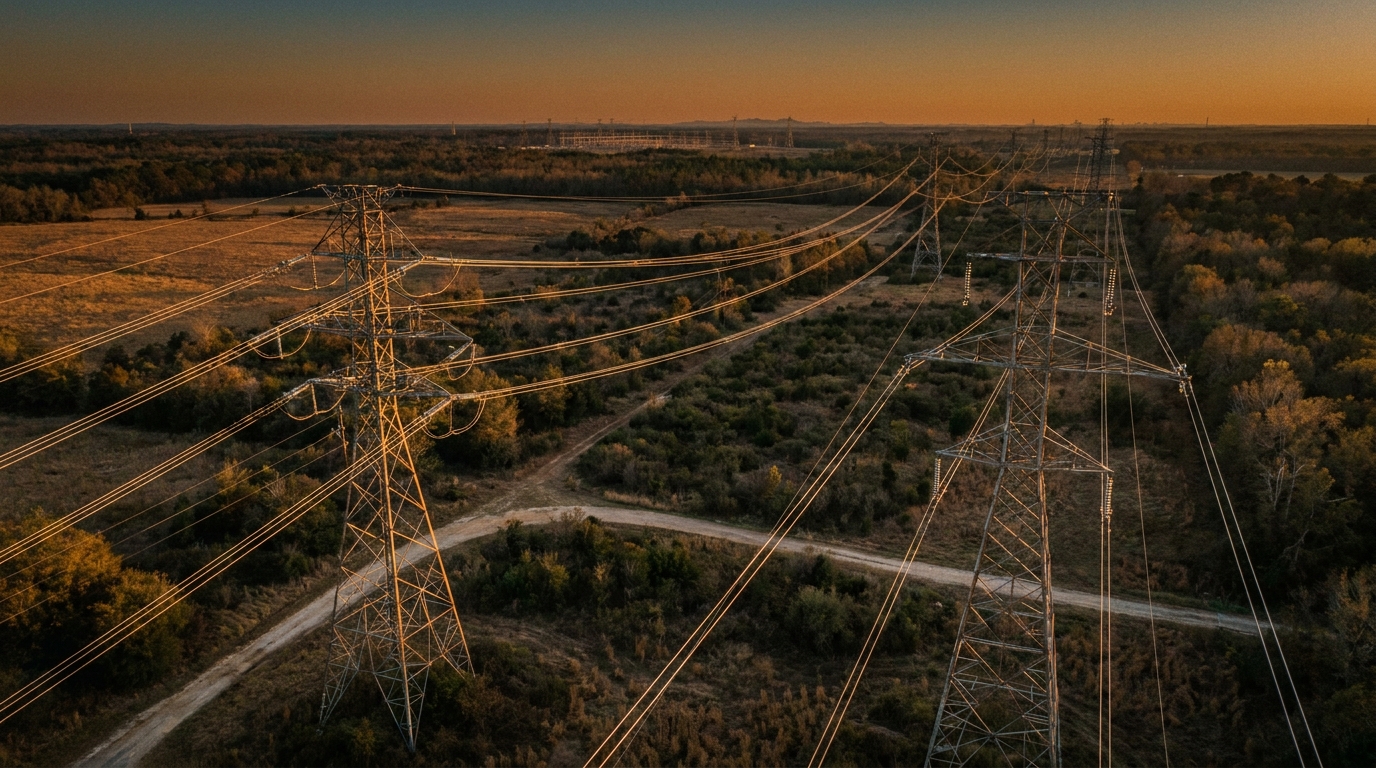
The U.S. Department of Energy (DOE) estimates that consumers in the Southeast pay an additional $10 per megawatt-hour (MWh) due to the absence of transmission lines connecting the region to neighboring markets PJM and MISO. The figure comes from the draft 2026 National Transmission Needs Study, published on July 9.
The study, required by the Federal Power Act every three years, assesses congestion and transmission needs across the U.S. electric system. The Southeast is the only region in the country that has not addressed at least one of the four categories defined by the DOE: reliability and resilience, intraregional congestion reduction, improvement of interregional transfer capacity, and resource adequacy through interregional links.
The three interfaces with the highest congestion value in 2022 and 2023 are Southern Company with Florida, Duke Energy with PJM, and Tennessee Valley Authority (TVA) with the southern zone of MISO. In those corridors, long-term congestion averages $10 per MWh and reaches $28 per MWh in years of extreme weather, according to the DOE.
A critical limitation in the Southeast is the absence of public nodal price data (LMP), as the region lacks an electricity market operated by an independent system operator (RTO/ISO). The DOE describes this as a geographic gap in national congestion analyses, and relied on models from Lawrence Berkeley National Laboratory and Rocky Mountain National Laboratory to estimate price differentials, according to Latitude Media.
The Southeast Energy Exchange Market (SEEM), launched in November 2022 as a voluntary intraday trading platform, does not produce a single market price. Nationally, transmission congestion costs totaled $12 billion in 2024, down from a peak of $21 billion in 2022, when natural gas prices and severe weather drove costs higher.
The DOE is accepting public comments on the draft until September 7, 2026. The final study, along with the National Interest Electric Transmission Corridor (NIETC) designations it generates, will define interregional transmission investment priorities in the coming years.
This article was produced with the assistance of artificial intelligence from verified sources and reviewed by a human editor before publication.
Sources
Related stories
This article was drafted with AI assistance from verified sources and reviewed by a human editor before publication.