Colombia Targets One Million Barrels Per Day Under New Government
The economic plan of president-elect De la Espriella sets a 34% increase in oil production and reverses four years of hydrocarbon exploration restrictions.
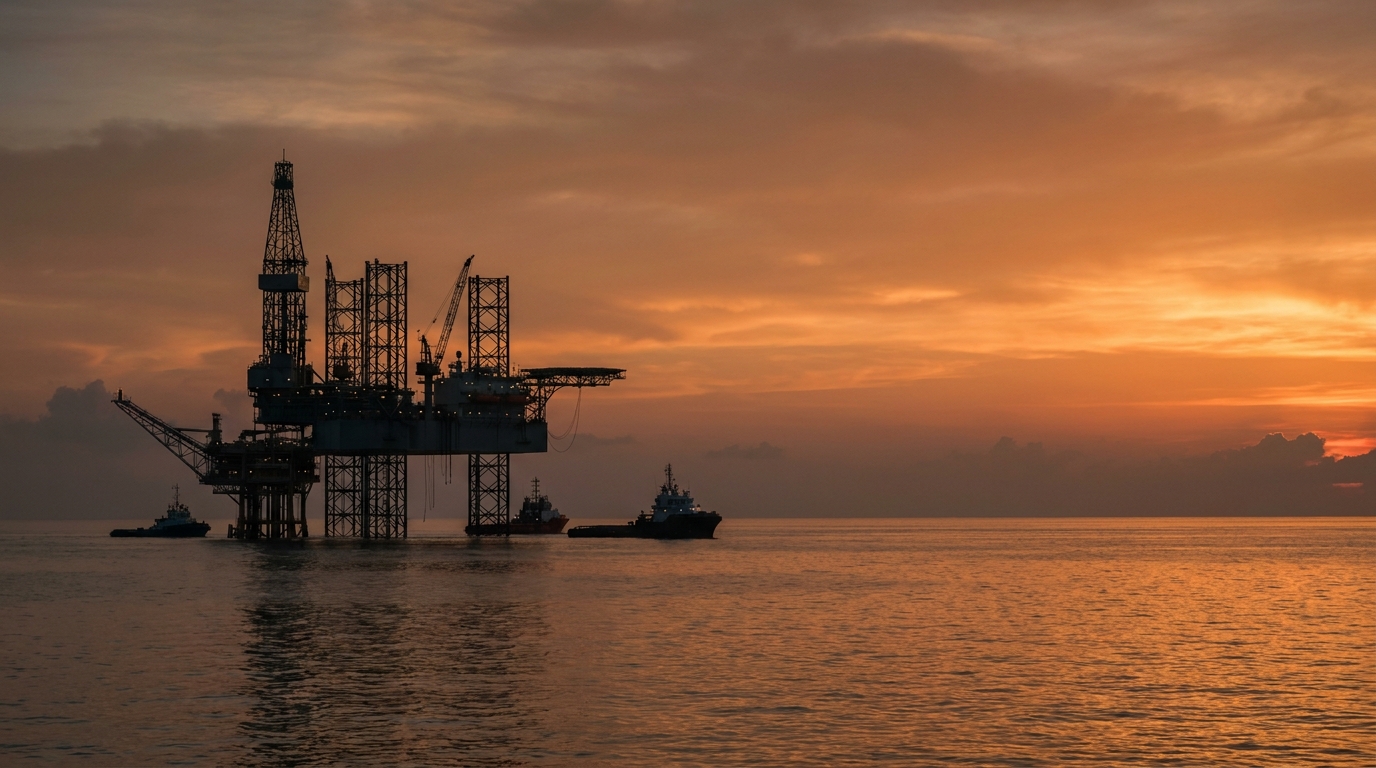
Colombia has set a production target of one million barrels of oil per day as part of the economic plan accompanying president-elect Abelardo de la Espriella, who takes office on August 7. The objective represents a 34% increase over current production and reverses four years of restrictions on hydrocarbon exploration, the sharpest energy policy pivot in Latin America in 2026.
Under Gustavo Petro's government (2022-2026), Colombia became the first major oil and gas producer to commit to halting all new fossil fuel expansion. The country signed the hydrocarbon non-proliferation treaty at COP28 and in April 2026 hosted a summit in Santa Marta with 57 countries to chart a fossil fuel exit roadmap, as reported by Carbon Brief on June 26.
Colombia is Latin America's third-largest crude producer. The mining and quarrying sector has contracted for nine consecutive quarters and operates 20% below pre-pandemic levels. The country's overall investment rate fell to 16% of GDP in the first quarter of 2026, its lowest level in six decades.
The "3-2-1" plan developed by Corficolombiana and reported by Bloomberg Línea on July 1 details three sectoral bets. The hydrocarbons component projects 13.3 trillion Colombian pesos in additional value added, more than $3 billion annually in exports, and a fiscal revenue increase of between 1.5% and 4.5% of GDP.
The measures include eliminating sector surcharges, tax stability contracts, reactivating exploration contracts, and resuming pilot programs in unconventional reservoirs (including fracking) under international technical and environmental standards. The other two bets are infrastructure (with 5G projects capable of mobilizing 49 trillion pesos in private investment) and housing, targeting one million housing solutions over the four-year term.
The plan makes no mention of renewable energy. Former Environment Minister Irene Vélez stated at London's Climate Action Week on June 23 that the Santa Marta process must withstand "political setbacks." Private capital, in both hydrocarbons and renewables, is watching to see whether the fiscal and regulatory conditions De la Espriella announces from August onward will unlock projects stalled since 2022.
This article was written with artificial intelligence assistance from verified sources and reviewed by a human editor before publication.
Sources
Related stories
This article was drafted with AI assistance from verified sources and reviewed by a human editor before publication.
← All news