CENACE Projects Record 54,000 MW Electricity Demand for Summer 2026
Mexico's National Electric System (SEN) recorded 49,000 MW in May 2026 and CENACE projects a record peak of 54,000 MW in July, driven by extreme heat, nearshoring, and the FIFA World Cup.
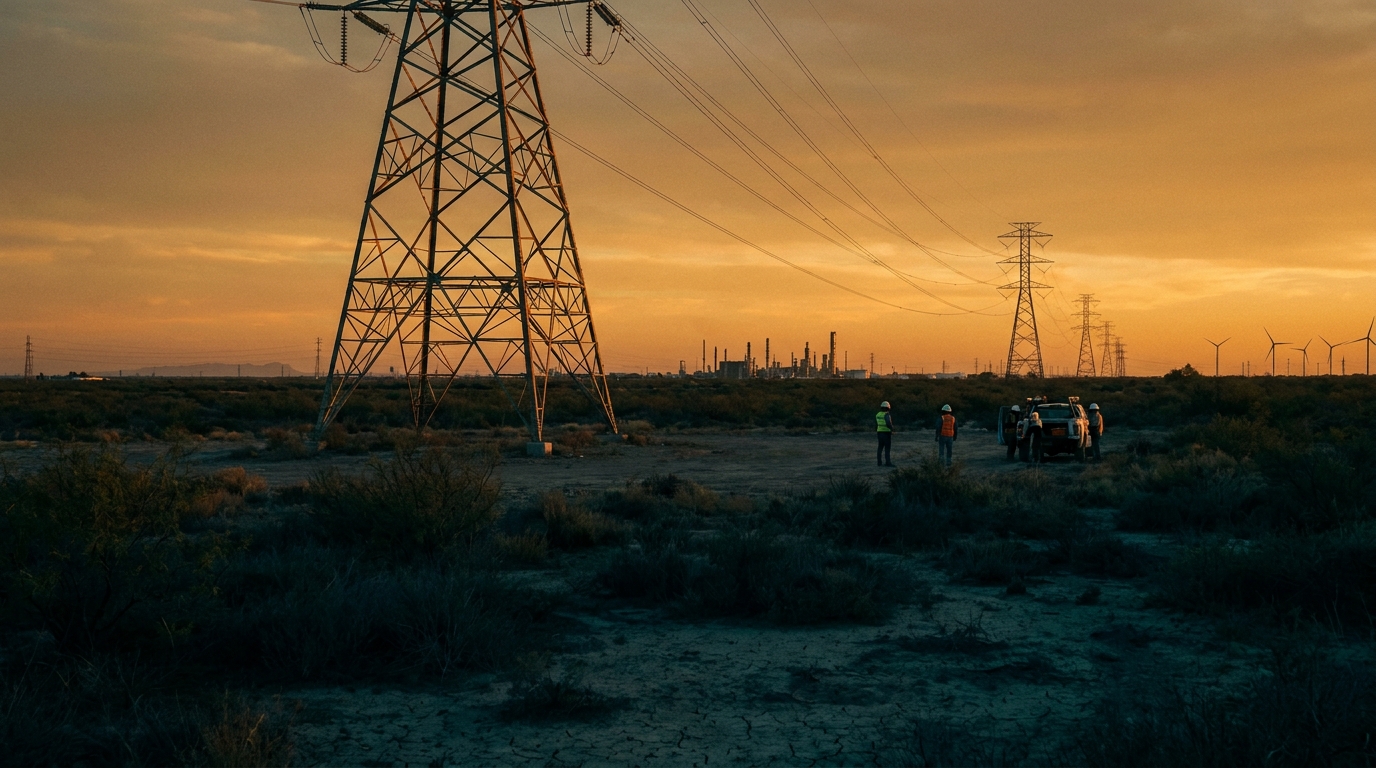
Mexico's National Electric System (SEN) recorded a demand of 49,000 megawatts (MW) in May 2026, its highest level in years, while the National Energy Control Center (CENACE) projects a new all-time record of up to 54,000 MW in July, according to data published by Expansión on June 18, 2026.
Three simultaneous factors are straining the SEN. The national average temperature in 2026 reached 27.3°C, the highest since 1953, with peaks above 52°C in Mexicali and San Luis Río Colorado and 34.7°C at the Tacubaya station in Mexico City, according to Expansión. Compounding this is the industrial demand driven by nearshoring and the concentration of tourist activity across Mexico's three FIFA World Cup 2026 host cities: Mexico City, Monterrey, and Guadalajara. CFE Director General Emilia Calleja confirmed that the system has approximately 90,000 MW of installed capacity and is prepared to meet World Cup energy demand.
Ricardo Mota Palomino, CENACE's Director General, noted that the primary summer risk is not total energy deficit but system reliability during simultaneous demand peaks. Intermittent sources such as solar and wind operate at less than 40% of their nominal capacity during peak hours. Calleja outlined the FIFA protocol for stadiums: according to Bloomberg Línea, "energy at the stadiums has three sources: FIFA's own generators, the stadium's generators, and CFE as a third option." To underpin supply, CFE is maintaining more than 2,600 workers on permanent watch shifts throughout the tournament and has committed $30 billion in infrastructure investment, of which $8.5 billion is allocated to grid modernization. The SEN recorded 49,515 MW on June 16 at 18:00 hours.
The SEN's maximum peak is projected for July 2026, when World Cup knockout matches coincide with the height of summer heat. The operating reserve margin reported on CENACE's portal and the Q3 Hot Season Report are the next indicators to watch.
This article was drafted with artificial intelligence assistance from verified sources and reviewed by a human editor before publication.
Sources
Related stories
This article was drafted with AI assistance from verified sources and reviewed by a human editor before publication.