Brent Jumps 4.6% to $87 After Third Night of US Strikes on Iran
Brent crude reached its highest level in more than a month as traffic through the Strait of Hormuz dwindled to near nothing.
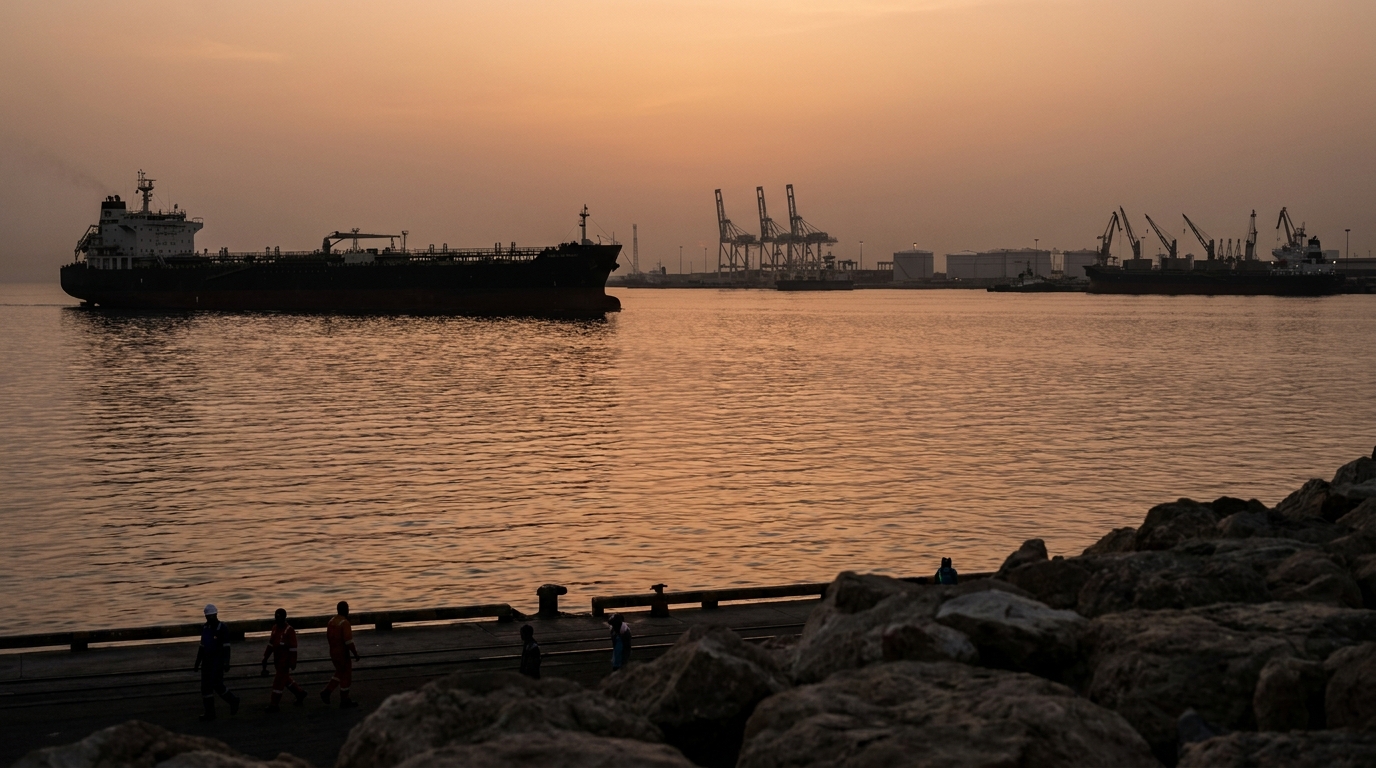
Brent crude rose 4.6% on Tuesday, July 14, to $87.08 per barrel, its highest level in more than a month, after the United States launched a third consecutive night of military strikes against Iran, intensifying the dispute over control of the Strait of Hormuz.
The escalation led US President Donald Trump to announce a naval blockade against Iranian vessels and declare that the strait would remain open "with or without Iran," as reported by The Guardian. The tension spread to other fronts as well: Tehran responded with attacks on vessels from Bahrain and the United Arab Emirates, while Iran-backed Houthis in Yemen launched missiles and drones at Abha airport in Saudi Arabia, according to AP. At the start of the month, a fragile ceasefire had been in place between Washington and Tehran.
Maritime traffic through Hormuz, through which approximately one-fifth of global oil supply passes, dwindled to near nothing: just six cargo vessels crossed the strait on Sunday, according to analyst Kathleen Brooks of XTB, cited by The Guardian. Natural gas prices also surged in parallel: Dutch TTF gas, the European benchmark, rose nearly 3% to 52.8 euros per megawatt-hour, its highest level since early April, while British gas climbed 3.3%. Debt markets felt the shock: the yield on the 10-year UK gilt rose 5 basis points to 5.02%, its highest since May, and swaps now price in rate hikes from both the Bank of England and the European Central Bank for September.
XTB warned that the last blockade of the Strait of Hormuz lasted more than 60 days. With Brent trading nearly $15 above the $72.48 it fetched before the February attacks, the pressure on energy costs extends across the entire global supply chain. The immediate variable to watch: whether the disruption to traffic at Hormuz affects LNG shipments destined for Europe and Latin America.
This article was drafted with artificial intelligence assistance from verified sources and reviewed by a human editor before publication.
Sources
Related stories
This article was drafted with AI assistance from verified sources and reviewed by a human editor before publication.