BofA Projects 28% Drop for Ecopetrol After De la Espriella Victory
Bank of America projects a 28.4% decline for Ecopetrol following Colombia's presidential election. A look at how markets are repricing energy transition risk across Latin America.
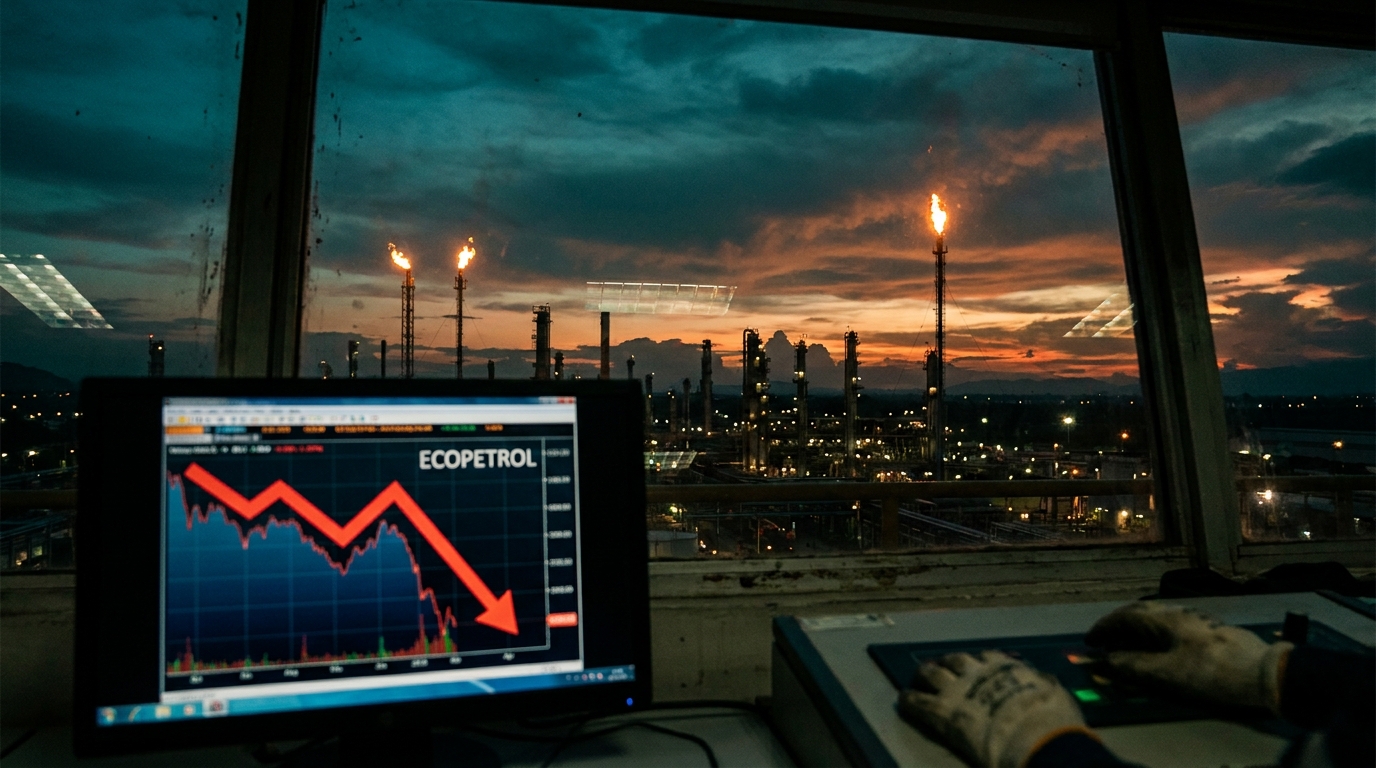
Bank of America (BofA) set a price target of COP$1,900 for Ecopetrol (EC) on June 24, implying a potential decline of 28.4%, following Abelardo de la Espriella's victory in Colombia's presidential election on June 21, 2026. The bank maintained an "underperform" recommendation on the state oil company.
Under President Gustavo Petro (2022–2026), Colombia became the first major hydrocarbon producer to halt all new fossil fuel expansion and the first oil exporter to sign the fossil fuel non-proliferation treaty at COP28 in 2023, according to Carbon Brief. De la Espriella has pledged to reverse that policy and push ahead with hydraulic fracturing. The market paradox is that a pro-hydrocarbon agenda could lift Ecopetrol's operating revenues while simultaneously dismantling the transition framework that had attracted institutional capital guided by environmental, social, and governance (ESG) criteria. Colombia's Colcap stock index fell 6.2% in the week following the election.
BofA estimates that Ecopetrol's shares already price in expectations of near-term regulatory improvements. The company's EV/EBITDA multiple (enterprise value divided by operating cash flow) ranged between 2.5 and 3.5 times during the Petro administration and stood at 4.5 times at the time of the analysis, near the 4-to-6-times range recorded during the Iván Duque administration (2018–2022). Analysts caution that further re-rating "would require clearer production growth and improvements in capital allocation," according to the report cited by Bloomberg Línea. Projects such as Sirius, Colombia's largest offshore gas field, are not expected to deliver output before 2030. Colombia imports between 25 and 30 percent of the natural gas it consumes, adding pressure to the country's energy trade balance. BofA projects a fiscal deficit of 7.2% of GDP for 2026.
BofA's signal reaches well beyond Colombia. The region faces a cycle of energy transition risk repricing that is now touching the sovereign bonds of countries with high oil dependence. COP30 in Brazil, in November 2026, will receive a fossil fuel roadmap that will test global capital's appetite for Latin American energy debt.
This article was produced with the assistance of artificial intelligence from verified sources and reviewed by a human editor before publication.
Sources
Related stories
This article was drafted with AI assistance from verified sources and reviewed by a human editor before publication.
← All news