Batteries Bring Power to Data Centers in 18 Months, Versus 4 Years for the Grid
The Volta Foundation report shows where BESS beats gas and diesel in data centers; Mexico projects 1.73 GW of electricity demand by 2031.
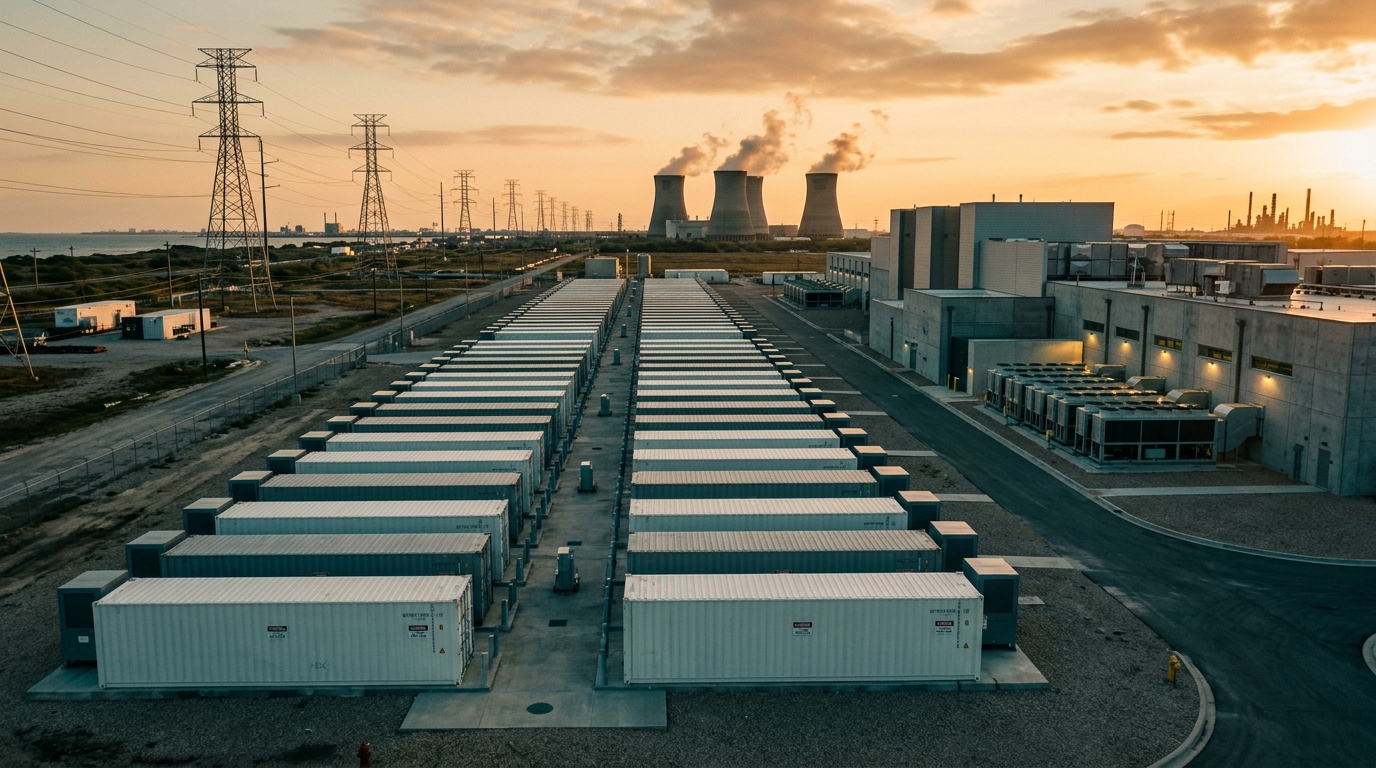
Battery energy storage (BESS) takes between 12 and 18 months to bring power to a data center, compared with the more than four years a grid connection takes in most United States markets, according to the report Where Batteries Can Win in Data Center Applications, published by the Volta Foundation in July 2026.
The document, produced by the Foundation's AI and Data Center Infrastructure committee, notes that the battery wins the jobs that reward speed and daily cycling, and names two: peak shaving against demand charges and bridge power as a backup layer within a hybrid architecture built on gas or engines. The question lands in Mexico with concrete figures: on September 10, 2026, CFE and the Mexican Association of Data Centers (MEXDC) agreed on joint planning to anticipate the sector's electricity demand, which totals 279 MW installed and 205 MW under construction this year, with a projected requirement of 1.73 GW by 2031, according to La Jornada.
The report, picked up by pv magazine, sorts the market into three groups: two niches where BESS wins, four where it competes with no defined advantage (flexibility against curtailment, UPS backup, grid services and sub-second power quality) and two where it loses. Backup of more than four hours remains in the hands of diesel, and continuous power is covered by gas turbines and fuel cells. The bottleneck is no longer cell chemistry, now commoditized, but rather integration, controls and dispatch governance: failures show up mainly during commissioning and in the first two years of operation.
Volta Foundation argues that the next two or three years will determine whether the battery ends up as a bridge the industry crossed or as a facility it built. In Mexico, the next signal will be the weekly technical sessions between CFE and MEXDC and the load profile the sector delivers for the 1.73 GW projection to 2031.
This article was written with the assistance of artificial intelligence from verified sources and reviewed by a human editor before publication.
Sources
Related stories
This article was drafted with AI assistance from verified sources and reviewed by a human editor before publication.