AI Adds Up to 1.8 Gt of Net CO2 Per Year, Study Finds
A study in npj Climate Action estimates that AI adds between 0.47 and 1.8 Gt of net CO2 per year; renewables need to gain productivity at four to five times the rate of the fossil fuel sector to offset the difference.
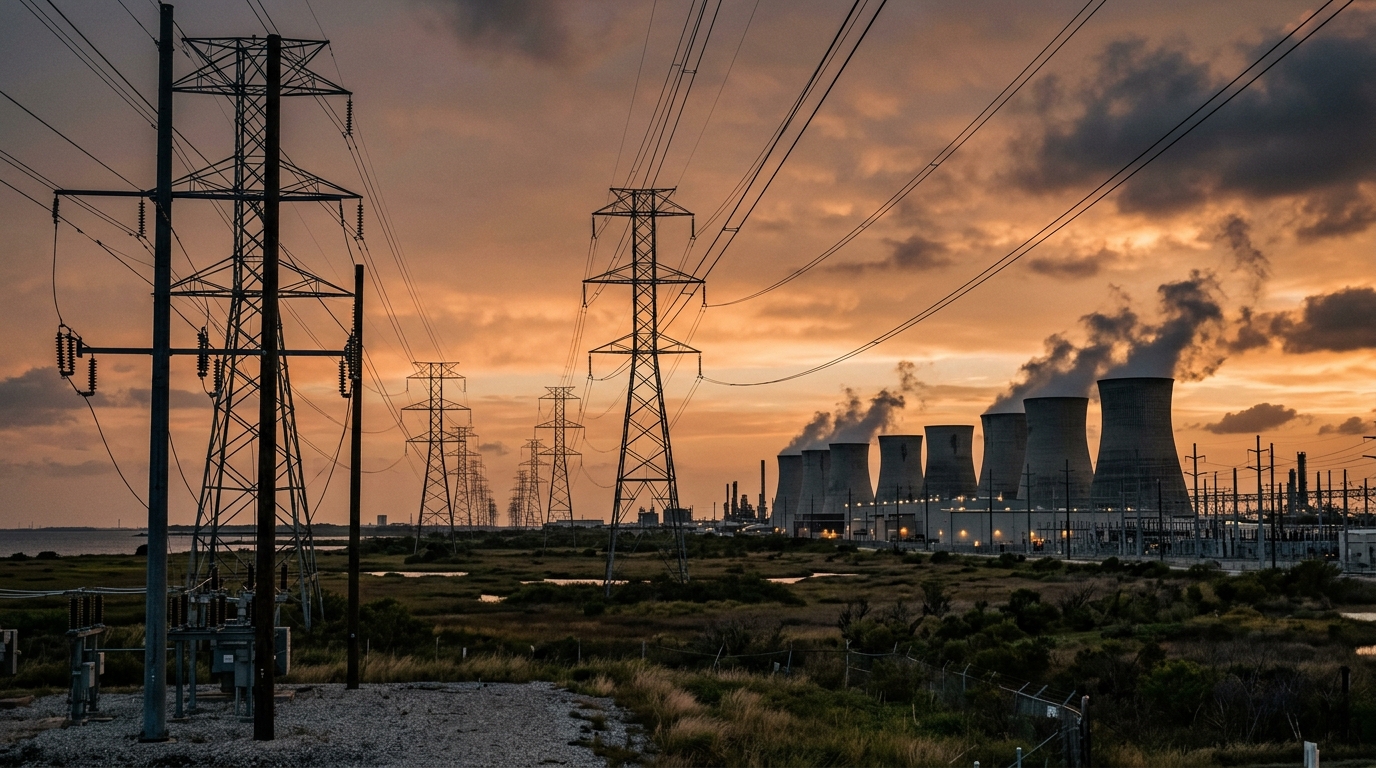
A peer-reviewed model published in npj Climate Action, part of Nature Portfolio, estimates that artificial intelligence (AI) adds between 0.47 and 1.8 gigatons of net CO2 per year, between 1.2% and 4.8% of global energy emissions in 2024. The Guardian reported the study on August 11, 2026.
The study, the first to quantify AI's climate impact across the entire energy sector, models the technology as a two-way productivity amplifier: it accelerates both fossil fuel extraction (oil, gas, and coal) and renewable energy generation. Across the 64 scenarios it examines, net emissions only fall if AI does not increase productivity in the fossil fuel sector. The finding matters for the region because the boom in AI data centers in the U.S. Gulf Coast and Latin America, powered by natural gas, coincides with the sale of the same technology to hydrocarbon operators. The International Energy Agency, cited by The Guardian, estimates that AI can expand recoverable oil and gas reserves by 5% and reduce offshore project costs by 10%.
In parallel-adoption scenarios, productivity gains in renewables must outpace those in the fossil fuel sector by four to five times for emissions to be offset. Consultancy Rystad Energy projects approximately $500 billion in cumulative value for fossil fuel exploration and production between 2026 and 2030. Equinor attributed 27 discoveries on the Norwegian continental shelf to new seismic technologies and AI, and Saudi Aramco said it has integrated AI across all its operations. Co-author Holly Alpine noted that applications in the fossil fuel sector are already operating at scale, with real contracts and active deployment, while renewables remain at the pilot stage. Climate analyst Ketan Joshi, external to the study, said the AI industry is fundamentally voracious for fossil fuels.
The authors caution that the result is directional and structural, not a precise forecast, and call for governance frameworks that distinguish between emissions enabled and avoided by AI. The key variable to watch is the relative speed of adoption between renewables and the fossil fuel sector, along with the contracts for data centers under construction in the U.S. Gulf Coast and Latin America.
This article was written with artificial intelligence assistance based on verified sources and reviewed by a human editor before publication.
Sources
Related stories
This article was drafted with AI assistance from verified sources and reviewed by a human editor before publication.
← All news