AI Boom Drives Surge in Behind-the-Meter Battery Demand in the U.S.
Behind-the-meter battery demand for data centers in the U.S. will grow from 5 GWh to 24.4 GWh by 2030, according to SEIA; this is the pattern Mexico and Latin America will soon replicate.
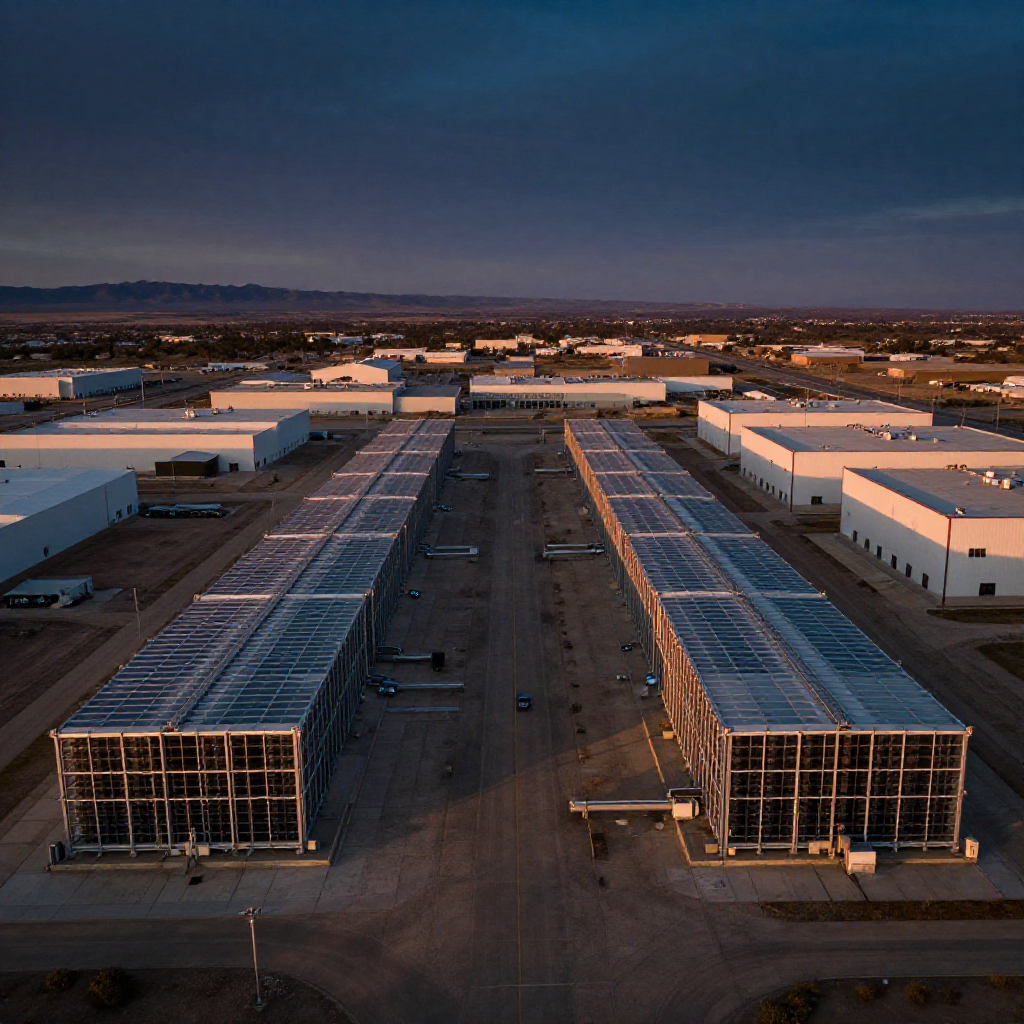
Behind-the-meter storage demand (consumer-side batteries) for data centers will quintuple by 2030, from roughly 5 GWh annually to 24.4 GWh, according to Latitude Media, citing a report by the Solar Energy Industries Association (SEIA) and Benchmark Mineral Intelligence published on September 1, 2026.
The growth coincides with a record quarter for grid-scale batteries in the United States: between April and June 2026, 20.2 GWh were installed, the highest figure for any single period, according to Canary Media, which covered the same report. Those additions can inject 6.7 GW of instantaneous power, roughly the capacity of seven nuclear reactors, and 44% was built alongside solar plants. Behind the surge is artificial intelligence (AI) computing demand: data center developers use batteries to sustain operations during peak hours while awaiting grid interconnection, and companies such as Amazon, Meta, and xAI are combining storage with on-site generation, including gas turbines.
In the first half of 2026, 10.3 GW (31 GWh) of storage came online, 23% more than a year earlier; seven megaprojects accounted for more than half of the grid-connected segment. The share of data centers in behind-the-meter installations rose from 2% in 2022 to 21% in 2024 and 75% in the first half of 2026; SEIA projects 90% by 2030. Average duration will increase from 2.05 hours this year to 3.25 in 2030, which the report says will enable load-shifting between hours to capture the value of renewables. Analysts revised their grid-connected storage forecast for 2030 upward by 9%, to 115 GW, supported by long-term supply agreements such as Google's purchase, in February, of a 30 GWh iron-air battery system from Form Energy.
The pattern matters for Mexico and the region as a template: the combination of batteries with on-site generation that hyperscalers are financing in the U.S. is the model that funds and developers can replicate across Latin America. SEIA's projections to 2030 and interconnection decisions in each market will determine the pace at which that model spreads.
This article was drafted with artificial intelligence assistance from verified sources and reviewed by a human editor before publication.
Sources
Related stories
This article was drafted with AI assistance from verified sources and reviewed by a human editor before publication.