Virginia Mandates Grid Utilization Metrics for a Network Running at 50%, Opening the Rate Debate
Virginia becomes the first state to require grid utilization metrics from its electric utilities; analysts debate whether measurement will reduce rates or is merely a distraction.
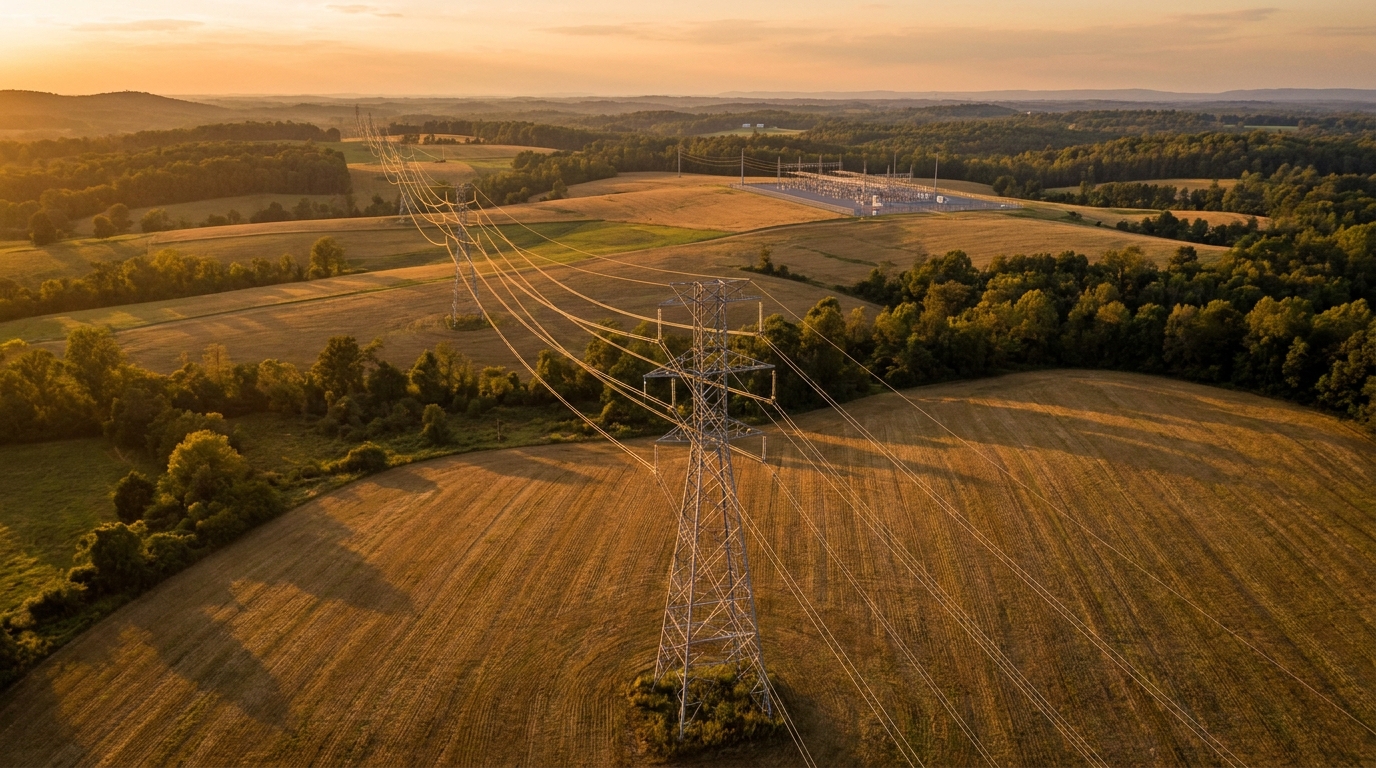
Virginia implements the first U.S. law requiring its electric utilities to measure distribution grid utilization, and in July that metric's value divided sector analysts, according to Latitude Media. The country's grid operates near 50% of its capacity for most of the year, according to data cited by the publication.
The law, passed in 2026, empowers the Virginia State Corporation Commission (SCC) to set schedules and consider those metrics in Dominion Energy's and Appalachian Power's capital cost recovery requests, according to Utility Dive. The companies must report the ratio of peak demand to capacity, distribution losses, and system performance during peak hours. A 2025 Duke University study, cited by both sources, estimates that the country's grid has headroom to add 100 GW of new load, such as data centers, without major infrastructure expansion.
A Brattle Group analysis, commissioned by GridLab and the Utilize coalition, projects rates 4.8% lower for a mid-sized utility if one gigawatt of new demand is served by flexible data centers and distributed energy resources (DER) rather than new infrastructure. Analyst Oliver Kerr of Aurora Energy Research argues that the metrics are difficult to define and compare across systems, that in Virginia the companies themselves define what is optimal, and that measurement does not change the incentive for utilities, whose revenue depends on deployed capital. For Molly Knoll of Align Energy Advisors, measurement compels public reporting on what is happening in each system and identifies where to deploy DER, grid-enhancing technologies (GET), and virtual power plants (VPP).
The next milestone is the first reporting cycle from Dominion Energy and Appalachian Power and the first State Corporation Commission ruling applying those metrics to a cost recovery request. The outcome will determine whether idle grid measurement becomes established as a replicable rate-setting tool in markets with interconnection bottlenecks, including the Mexican side of the National Electric System (SEN).
This article was written with artificial intelligence assistance from verified sources and reviewed by a human editor before publication.
Sources
Related stories
This article was drafted with AI assistance from verified sources and reviewed by a human editor before publication.