U.S. Utilities Pile Up $18.6B in Rate Hikes Despite Pledge to Hold Tariffs
Nearly 200 U.S. utilities signed a tariff-protection pledge, yet they have already filed $18.6 billion in rate increases this year driven by data-center demand.
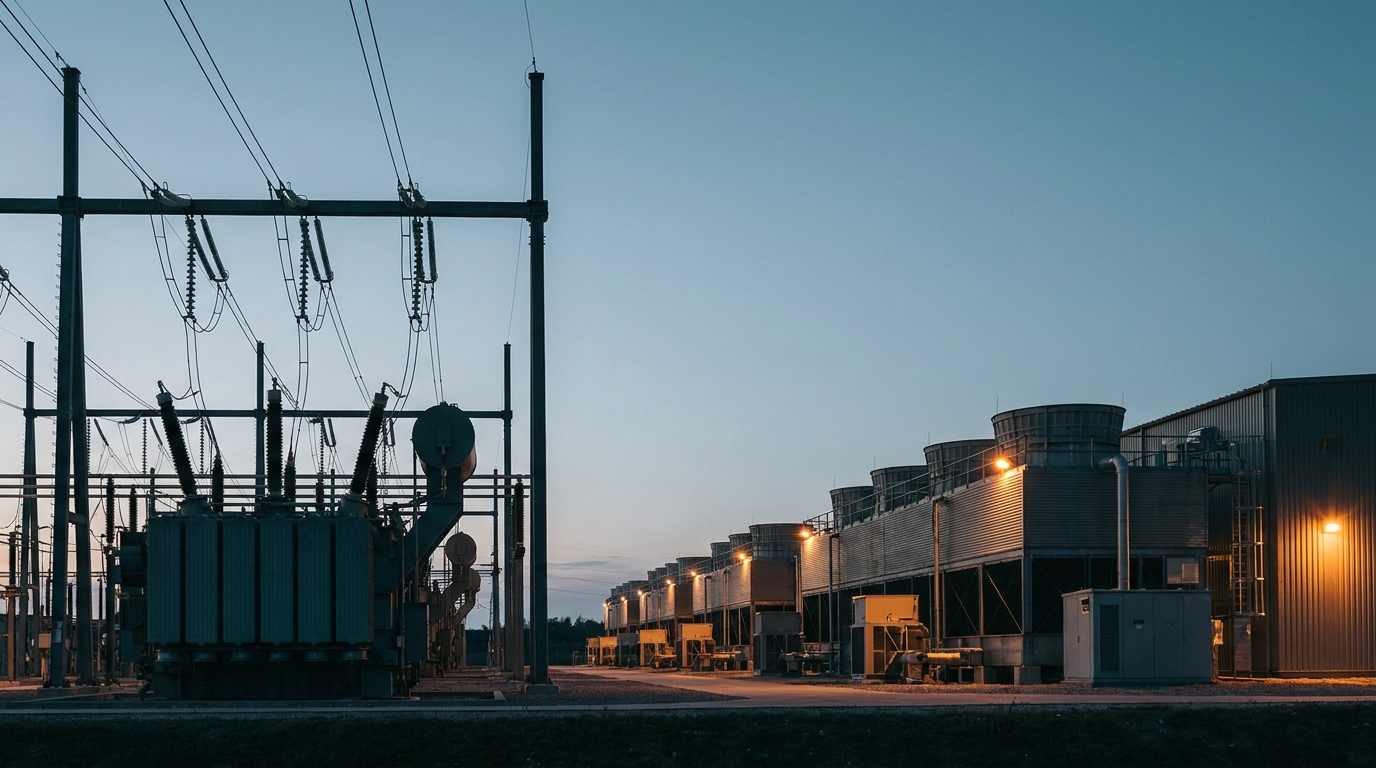
Nearly 200 electric utilities, data center developers, and Republican governors signed on to the tariff-protection pledge championed by the White House in March 2026. Yet U.S. utilities have requested $18.6 billion in rate increases so far this year, according to Latitude Media.
The pledge, initially announced by seven hyperscalers in March and since expanded to nearly 200 signatories, aims to make digital infrastructure developers bear the cost of grid expansions required by their operations. Twenty-five utilities have already implemented or proposed specific tariffs for large loads. Transmission costs, infrastructure modernization, fuel, and transportation electrification continue to push bills upward. Georgia Power, for instance, froze rates through 2028 after six consecutive increases between 2022 and 2025, while DTE Energy estimates its contract with Google will deliver $1.7 billion in rate benefits over 20 years, though it still filed for another $500 million in increases this year. In the PJM region, the largest wholesale electricity market in the United States, the data-center boom is the primary driver of capacity charges spread across all consumers.
Betting on off-grid natural gas does not close the gap either. A BloombergNEF analysis, cited by Canary Media, projects that data centers will consume 20 percent of U.S. electricity by 2035, up from 5.9 percent today. Even in the most optimistic scenario, with the grid adding 7 gigawatts (GW) per year for data centers and hyperscalers installing their own turbines, the analysis shows a 19 GW deficit by the end of the period. The shortage of turbines and qualified personnel to maintain them, flagged by former Department of Energy Loan Programs Office director Jigar Shah, constrains the viability of islanded generation.
The pattern carries clear implications for Latin America. Mexico, Brazil, and Chile concentrate the region's most dynamic data-center investment and share the risk that digital demand growth will pressure residential and industrial rates. The U.S. experience offers an early mirror: without cost-allocation mechanisms, the bill falls on the consumer.
This article was drafted with artificial intelligence assistance from verified sources and reviewed by a human editor before publication.
Sources
Related stories
This article was drafted with AI assistance from verified sources and reviewed by a human editor before publication.