U.S. Treasury Expands Iran Oil Sanctions as Crude Prices Fall
The U.S. Treasury expanded Iran sanctions on August 24; crude prices fall and China maintains Iranian oil purchases. Impact on Brent and the Mexican Mix.
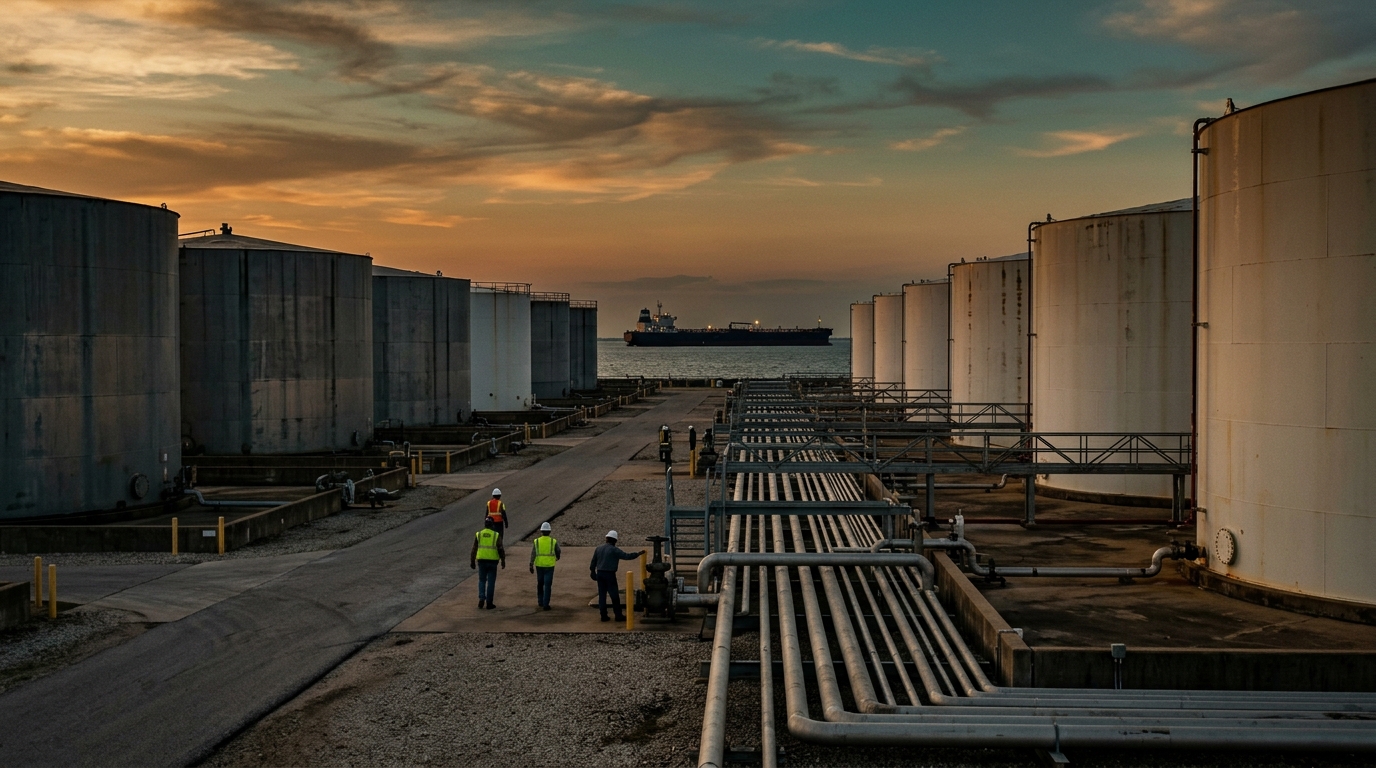
The U.S. Department of the Treasury announced on Monday, August 24, a new round of sanctions against Iran's oil trade, along with a warning of secondary measures for countries that continue doing business with the Islamic Republic, according to AP. On Tuesday the 25th, crude prices retreated as expectations of negotiations resurfaced, according to OilPrice.
Treasury Secretary Scott Bessent warned that countries that do not sever their ties with Iran risk being shut out of the dollar-based financial system, according to The Guardian. China, the largest buyer of Iranian crude for several years, is maintaining its purchases despite the new sanctions, according to OilPrice. The U.S. naval blockade of Iranian ports, renewed in mid-July, has already curtailed much of the flows to that country, and Washington is watching a potential Chinese retaliation with caution ahead of the meeting between Donald Trump and Xi Jinping scheduled for next month, according to The Guardian.
On Monday, Bessent threatened secondary sanctions against countries that do business with Iran and attributed that pressure to the decision by the United Arab Emirates to cut trade and financial transactions with the Islamic Republic. AP adds that the measures aim to extract concessions nearly six months after the start of the war between the United States and Israel against Iran, and that so far there are no signs that Iranian leaders will yield; in Tehran, fuel station lines stretch to two hours. Iran has responded by largely closing the Strait of Hormuz, through which one-fifth of the world's oil and gas transited before the war. The crude price retreat lowers the benchmark against which Pemex's Mexican Mix is priced, making fuel imports cheaper across the region.
What comes next: the Trump-Xi meeting next month, China's response to the sanctions, and Bessent's warnings about secondary measures for those who continue operating with Iran. Any escalation in the Strait of Hormuz, or a mediated agreement, will move the crude price that sets the Mexican Mix benchmark.
This article was written with artificial intelligence assistance from verified sources and reviewed by a human editor before publication.
Sources
Related stories
This article was drafted with AI assistance from verified sources and reviewed by a human editor before publication.
← All news