U.S. Solar Module Prices Hold Steady at $0.30 per Watt
Stable second-quarter pricing coincides with a new anti-circumvention petition against South Korean solar cells that is reshaping the region's supply chain.
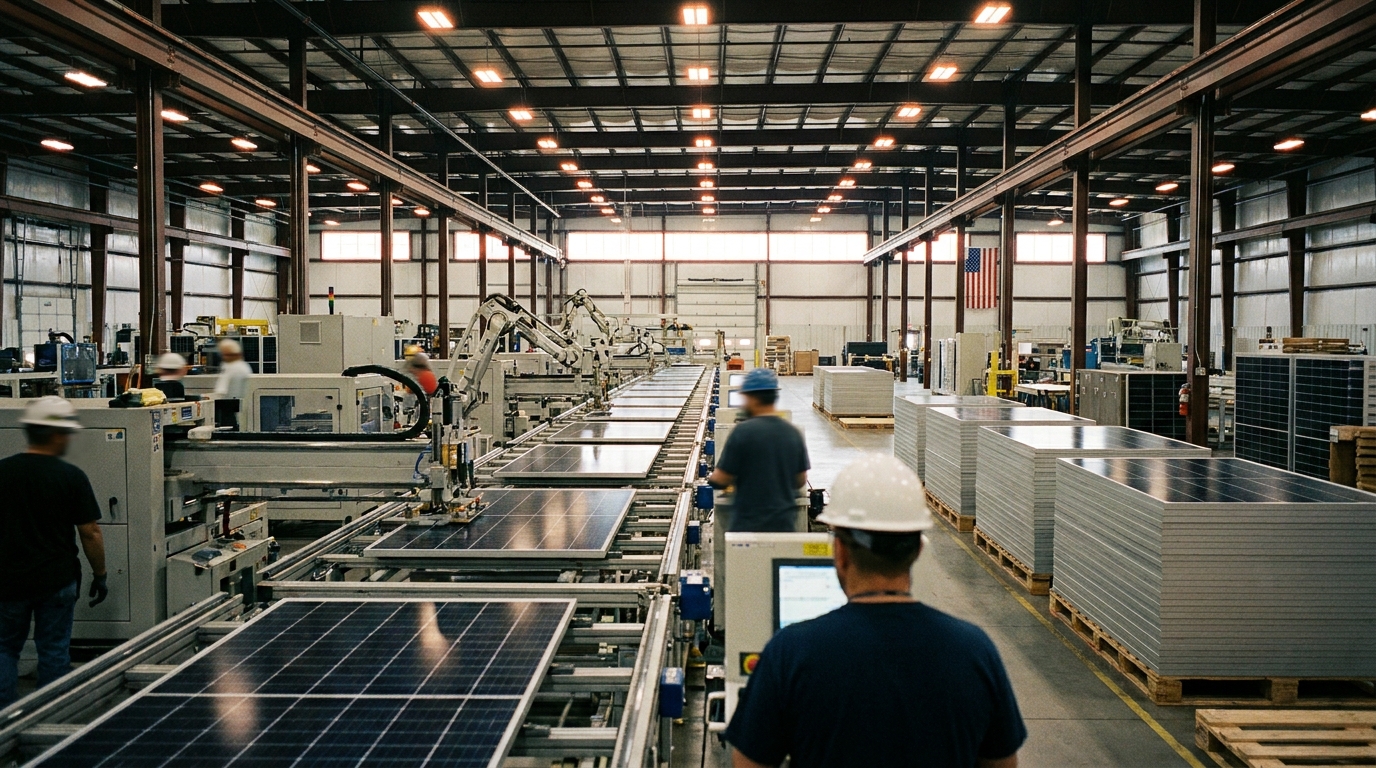
The median price of U.S.-assembled solar modules held at $0.30 per watt in the second quarter of 2026, according to supply chain platform Anza, as reported by pv magazine on July 11. The figure remained unchanged between May and June, following a slight $0.005 recovery from April's decline.
The period's interquartile range fell between $0.280 and $0.325 per watt, a narrow band reflecting a market with consolidated reference prices for modules with American content. The stability, however, coincides with a new trade friction: on June 18, the American Manufacturers for Energy Resilience (AMER) coalition, comprising Heliene USA, SEG Manufacturing, and Jeffersonville PV Cells (a Canadian Solar subsidiary), filed an anti-circumvention investigation petition with the U.S. Department of Commerce against solar cell imports from South Korea, according to Solar Power World. The group alleges that South Korean manufacturers, led by Hanwha Qcells, process Chinese-origin materials through minimal operations to evade existing anti-dumping duties against China.
The petition also names HD Hyundai Energy Solutions and Shinsung E&G. This marks the first time Qcells, which operates two plants in Georgia with 8.6 gigawatts of module capacity and in June completed North America's first fully integrated solar value chain (ingot, wafer, cell, module) at its Cartersville factory, has appeared as a target in this type of investigation. Until now, the company had been a petitioner, not a respondent, in previous solar tariff cases. A spokesperson rejected the allegations and stated that the company has led the effort to reshore U.S. solar manufacturing and is confident the evidence will show the claims lack merit. Wood Mackenzie analysts, cited by pv magazine, described the situation as a fundamental paradox: stable prices for finished modules while raw materials and cells face mounting tariff pressures.
The Department of Commerce has 30 days to decide whether to open the investigation. The outcome will define the cost and availability of cells and modules for solar projects in Mexico and Central America, where developers depend on the same supply chain that crosses the Gulf basin.
This article was prepared with artificial intelligence assistance from verified sources and reviewed by a human editor before publication.
Sources
Related stories
This article was drafted with AI assistance from verified sources and reviewed by a human editor before publication.