The U.S.-Iran Memorandum Unlocks 20% of Global Crude Supply Through Hormuz
The U.S.-Iran agreement reopens the Strait of Hormuz (20% of global crude); Atlantic Council and Brookings analyze the implications for Mexico and energy markets.
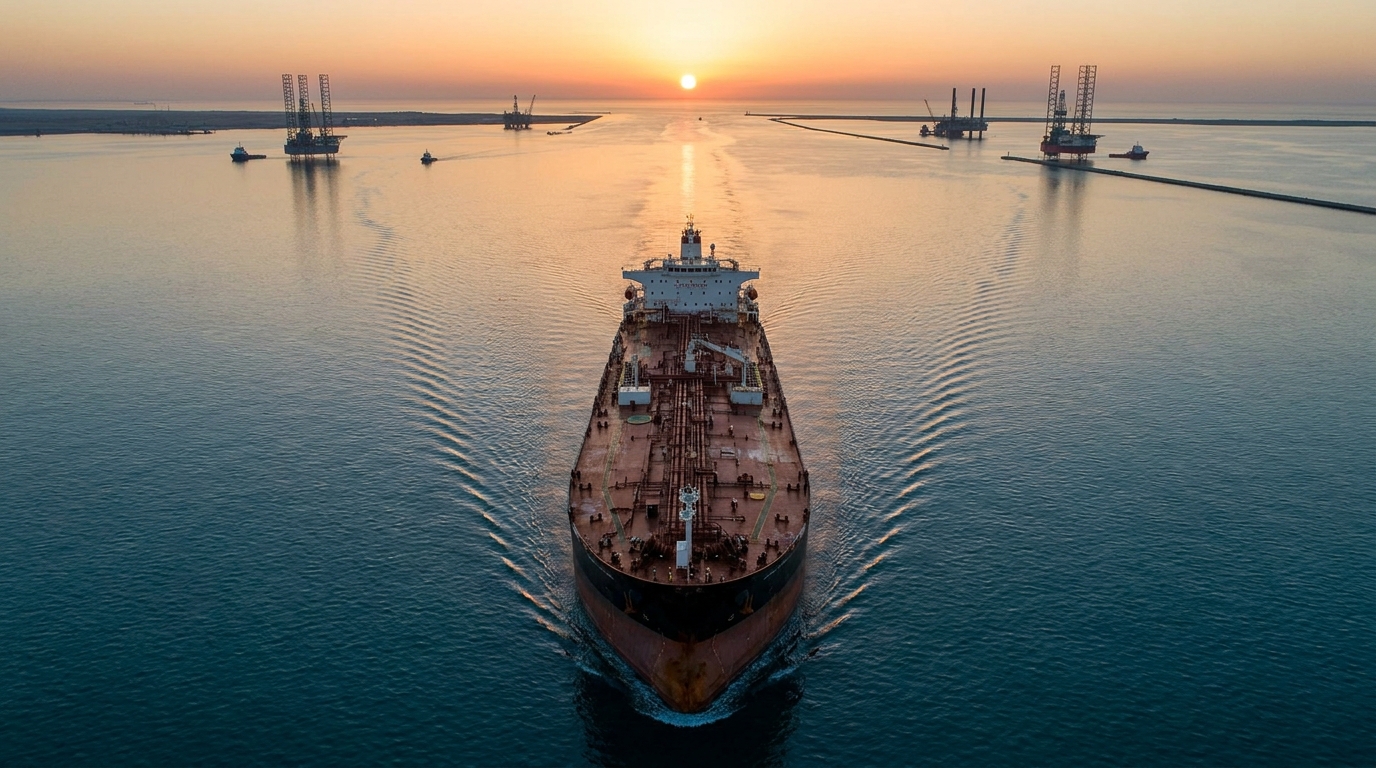
The June 18, 2026 memorandum between the United States and Iran reopens the path to normalizing transit through the Strait of Hormuz, through which 20% of the world's crude supply flows, according to the Brookings Institution. During the closure, the loss exceeded 14 million barrels per day (mbd), making it the largest supply disruption in global oil market history.
According to analysis published by the Atlantic Council on June 17, the reopening offers direct relief to the economies most dependent on this maritime passage. Iraq, which derives more than 90% of government revenues from oil exports, was unable to cover public sector salaries during the closure; Persian Gulf states reported downward-revised growth projections and interruptions to infrastructure projects. The agreement includes the possibility of Iran charging a transit fee to commercial vessels after 60 days, a variable that adds operational uncertainty to the reopening timeline. For Mexico, the impact cuts both ways: lower crude prices pressure revenues at Petróleos Mexicanos (Pemex) and public finances, while the softening liquefied natural gas (LNG) market reduces the cost of imports through the Alta California and Manzanillo terminals.
The International Energy Agency (IEA) coordinated the release of 400 million barrels of strategic reserves during the closure, according to the Brookings Institution. At peak, gasoline reached $5.81 per gallon in the United States and diesel $7.35 per gallon; both prices retreated following the memorandum announcement, the Atlantic Council reported. But the physical reopening of Hormuz requires months of logistical work beyond the political text, as Brookings documents. Iran retains the right to charge $1 per barrel to vessels in transit, a cost that net crude buyers including Mexico will absorb in market prices throughout the transition.
The decisive indicator is the pace of logistical normalization at Hormuz: each week of delay sustains crude price differentials. The IEA will publish its monthly report in the coming days with the first post-deal supply projections, a key reference for energy buyers in Mexico.
This article was drafted with artificial intelligence assistance from verified sources and reviewed by a human editor before publication.
Sources
Related stories
This article was drafted with AI assistance from verified sources and reviewed by a human editor before publication.
← All news