Shipping Rates Up 140% as Brent Closes the Week Above $94
Shipping rates 140% more expensive since February are raising the cost of energy trade in Latin America, as Brent closes the week above $94.
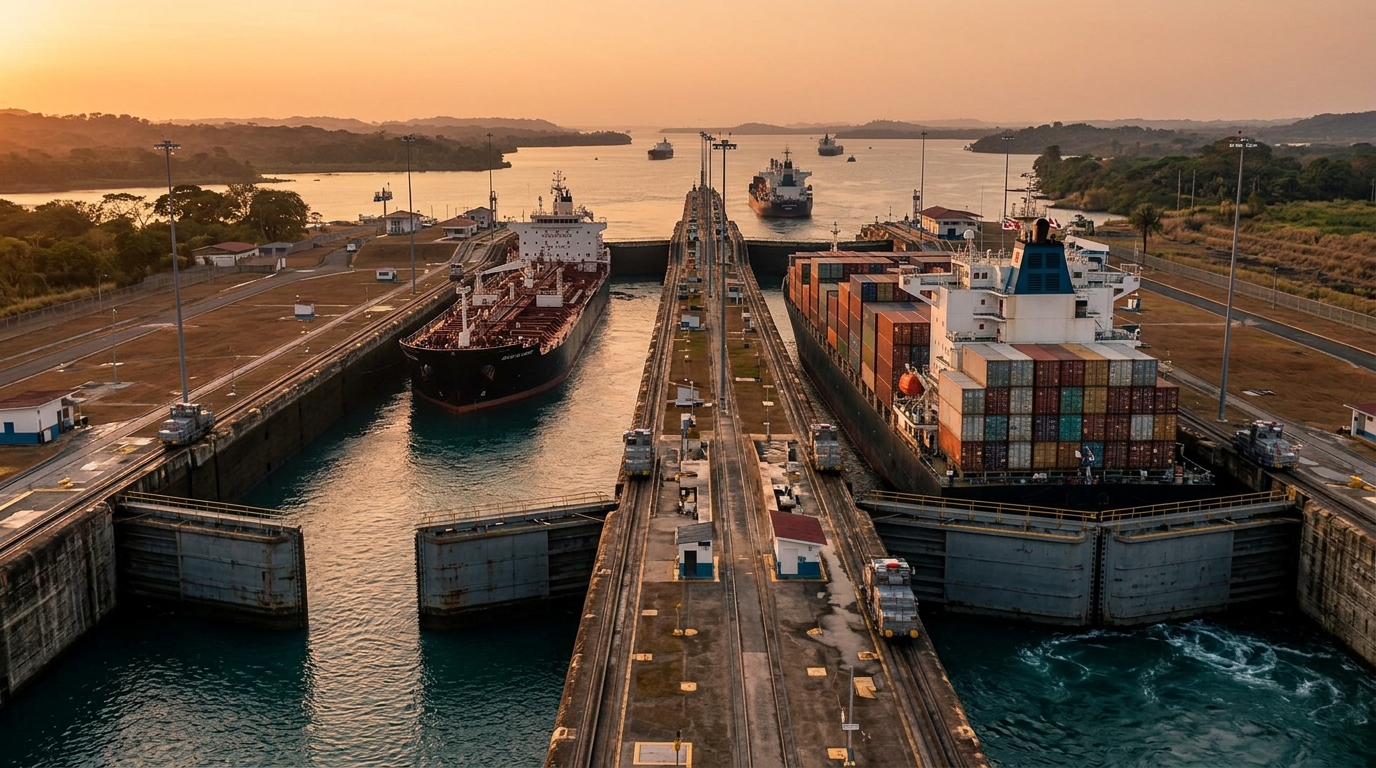
Global maritime shipping costs have risen 140% since February, driven by the blockade of the Strait of Hormuz, drought in the Panama Canal, and threats in the Red Sea, according to El País on August 22, 2026. The cost of moving goods, including energy, is climbing as Brent closes the week above $94.
The Strait of Hormuz, through which more than 10% of global trade and close to 20% of oil supply passes, has had restricted passage for six months: in the last week only four vessels per day crossed, compared to more than 120 before the conflict. In the Panama Canal, which accounts for more than 3% of global maritime traffic, daily transits will drop from 36 to 32 vessels due to El Niño-linked drought, while the Suez Canal is operating 70% below its 2023 average transit levels. Brent crude closed the week at $94.39 per barrel on the London futures market, a 0.65% gain in Friday's session, according to Forbes México.
The cost of moving energy is rising on two fronts simultaneously. Tankers are quoted above $148,000 per day, a 150% increase from the 2025 average, and a 40-foot container costs $4,500, more than double the just over $2,000 seen before the conflict with Iran, El País reports. For the region, the route matters because the Panama Canal connects the U.S. Gulf Coast, a source of liquefied natural gas (LNG) and refined products, with the Latin American Pacific, and because Mexico and Central America depend on seaborne imports of gasoline and diesel. The geopolitical risk premium is sustaining a short-term bullish outlook for crude, according to Forex.com market analyst Fawad Razaqzada. El País projects that freight rates for a VLCC, the largest type of oil tanker, will remain around $100,000 per day this year and next.
The immediate indicator to watch is Brent's opening price on Monday at the Intercontinental Exchange (ICE) in London and the next update on Panama Canal transit figures, which will determine whether pressure on freight rates holds.
This article was written with artificial intelligence assistance based on verified sources and reviewed by a human editor before publication.
Sources
Related stories
This article was drafted with AI assistance from verified sources and reviewed by a human editor before publication.
← All news