Sener projects 60% public generation and 1.168 trillion pesos in electricity investment
The Energy Secretariat expects public generation to close the six-year term at 60%, backed by 1.168 trillion pesos toward 2030.
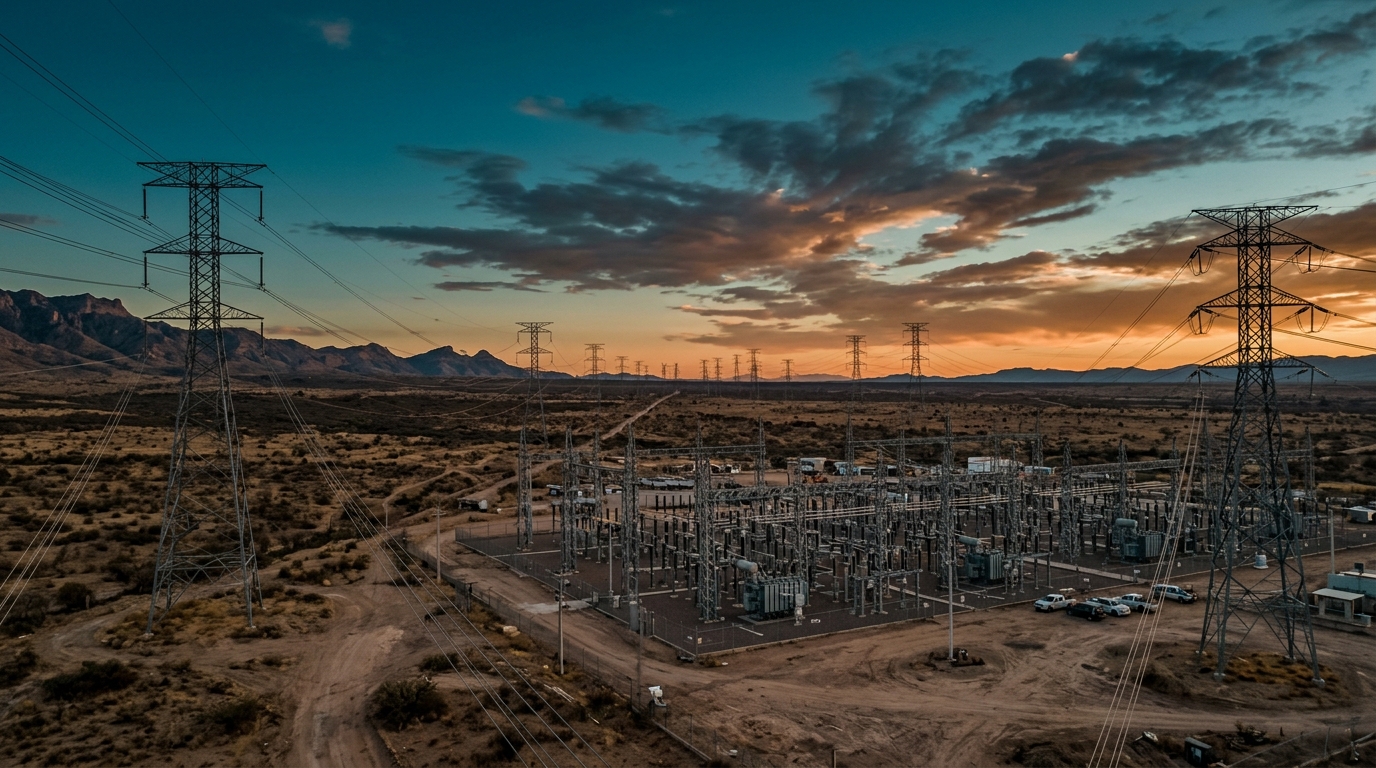
At least 60% of Mexico's electricity generation will remain in public hands by the end of the six-year term, Energy Secretary Luz Elena González Escobar projected on October 7, 2026. The target rests on an investment of 1 trillion 168 billion 710 million pesos in electricity and gas pipeline projects through 2030.
State participation in electricity generation stands at 57% at the time of the report, and the official anticipated that with the projects under way and those still to be incorporated it will reach 61%, according to El Universal. The breakdown reported by El Financiero allocates 794 billion 109 million pesos to generation, 161 billion 226 million to transmission and 72 billion 470 million to distribution, plus 140 billion to gas pipelines, with 53 billion under the Comisión Federal de Electricidad (CFE) and 87 billion from the Centro Nacional de Control del Gas Natural (Cenagas). For the region, the proportion between public and private generation defines the room available for power purchase agreements (PPAs) and private capital in the wholesale electricity market, in a system that imports natural gas from the Permian for its generation.
On coverage, the Secretaría de Energía (Sener) reported 99.88% of households with electricity and a target of 99.9% for 2028, two years earlier than planned. On renewables, the projection is to move from 24% to 38% of generation, with 55 assigned plants totaling 11 thousand megawatts: 42 solar photovoltaic plants and 13 wind farms, in which the CFE holds 70% of the portfolio. The plan contemplates adding 32 thousand megawatts of new capacity and sustaining 21 thousand active projects. González Escobar maintained that "electricity is not a common resource, it is a strategic resource for the well-being of families."
The point to watch is the incorporation of the 32 thousand megawatts of new capacity contemplated and compliance with the 99.9% electricity coverage target in 2028, two years earlier than originally planned. Subsequent Sener reports will gauge progress.
This article was written with the assistance of artificial intelligence from verified sources and reviewed by a human editor before publication.
Sources
Related stories
This article was drafted with AI assistance from verified sources and reviewed by a human editor before publication.
← All news