Sage Geosystems Validates Its Geothermal System After 120 Days in Texas
Sage's enhanced geothermal plant exceeded 120 days connected to the grid in Texas with water loss below 10%, setting the stage for the 150 MW project with Meta.
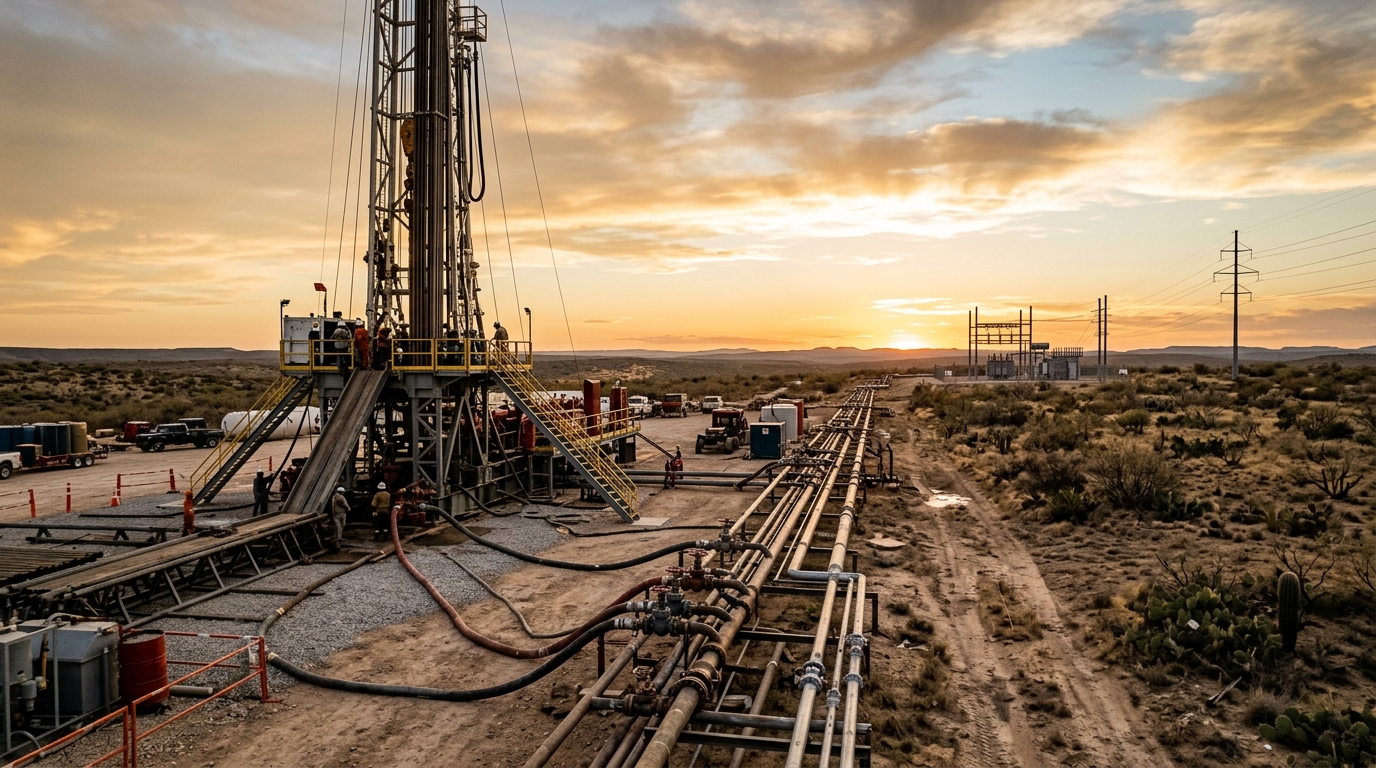
Sage Geosystems has been generating electricity for more than 120 days with its first next-generation geothermal plant near San Antonio, Texas, according to information the company provided to Canary Media on August 19. The 3-megawatt (MW) pilot plant, operational since April, is the third of its kind to connect to the U.S. grid.
The plant uses an enhanced geothermal system (EGS), which drills into deep hot rock, fractures it to create water pockets, and releases accumulated pressure to generate electricity. This distinguishes it from conventional geothermal, which depends on an exceptional combination of water, heat, and permeable rock. Sage has been developing the pilot since 2024, when it signed with the San Miguel Electric cooperative to use land adjacent to a coal plant in Christine, Texas; the cooperative is transitioning to solar and batteries with USDA support, according to Latitude Media. Sage built its own substation and sells electricity into the Texas market. Only two other enhanced systems have connected to the U.S. grid: a 1.7 MW demonstration by Ormat in Nevada, now decommissioned, and Fervo Energy's 3.5 MW plant with Google in the northern part of that state.
The pilot's most significant result is its low water loss: Sage lost less than 10% of the water circulated on multiple occasions, compared to methods that flow water between two wells, where the resource can migrate into rock formations. CEO Cindy Taff said the results will guide the collaboration with Ormat in Nevada and reduce its risk. Sage expects to drill its first well this year at a conventional Ormat plant, where it will deliver hot water to existing infrastructure to generate electricity, a path that avoids the cost of connecting to the grid. The company expects to produce in 2027 and reach full production in 2028, before beginning the development of 150 MW with Meta east of the Rocky Mountains; combined, this amounts to nearly a gigawatt in projects.
The next milestone to watch is the drilling of Sage's first well in Nevada, expected this year, and the partial startup in October of the 500 MW plant Fervo is building in Utah. Both moves set the pace for enhanced geothermal in North America and its path toward commercial scale.
This article was written with artificial intelligence assistance from verified sources and reviewed by a human editor before publication.
Sources
Related stories
This article was drafted with AI assistance from verified sources and reviewed by a human editor before publication.