Russian Refining at 24-Year Low; Moscow Buys Gasoline from Turkey
Russian refining hit its lowest level since 2002 and Moscow is importing gasoline from Turkey, tightening global fuel supply and the benchmark prices Mexico tracks.
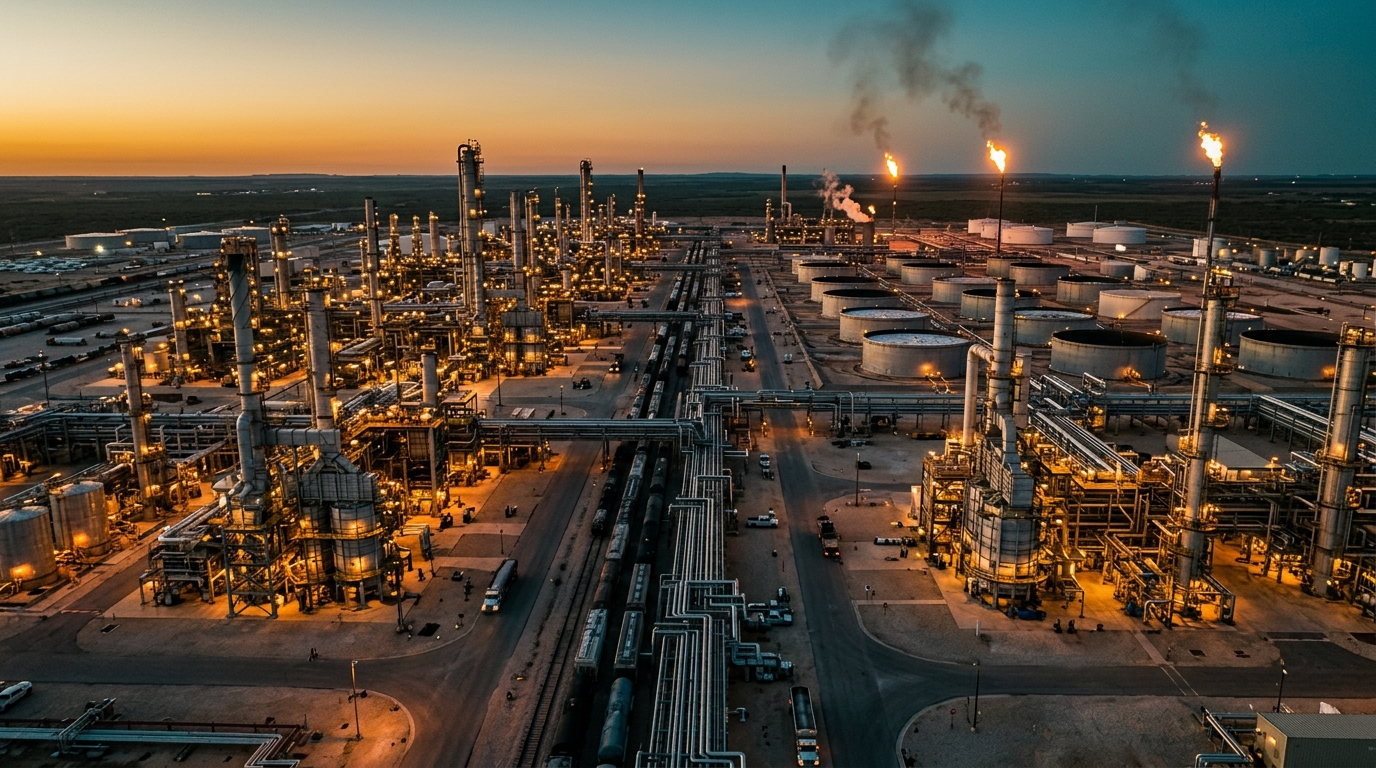
Russia purchased its first gasoline cargo from Turkey this week, 200,000 barrels shipped from Mersin to the Baltic port of Primorsk, according to The Guardian. Russian refining had fallen in July to 3.6 million barrels per day, its lowest level since 2002, according to Bloomberg data.
Ukrainian drone strikes hit 18 refineries so far in August, matching July's record, and knocked the Orsk plant offline, according to The Guardian. The collapse in domestic processing is forcing Russia, one of the world's largest crude producers, to sustain its supply through an emergency network: processing crude at Kazakhstan's Kondensat refinery, receiving fuel from India via Egypt, and ramping up imports from Belarus, which multiplied by 141 in June compared to the same month in 2025. With gasoline and diesel exports restricted by the Kremlin, the global supply of refined products is contracting, and Latin American importers, including Mexico, are monitoring the effect on international benchmark prices.
The Turkish cargo traveled aboard the Wendrix, a vessel from the sanctioned ghost fleet; it is the fifth maritime fuel delivery of the summer, totaling around one million barrels, following prior shipments from a refinery in Vadinar, India, via Egypt, according to The Guardian. The agreement with Kazakhstan's Kondensat refinery stipulates that 70% of the refined fuel will return to Russia, with crude transported by rail. Deputy Prime Minister Alexander Novak said the energy situation changes every day and that the federal government meets twice a week with regional authorities and companies. At least six Russian regions have reinstated or tightened restrictions on gasoline sales, and refinery output had already fallen 28% before the escalation of attacks, according to analysts cited by The Guardian.
Russia has banned gasoline exports until January 31, 2027, and diesel exports at least until September, according to Bloomberg. For the region, the figure to watch is the effect on Brent crude prices and the fuels that Mexico and Central America import, as Russian refined product supply contracts.
This article was produced with artificial intelligence assistance from verified sources and reviewed by a human editor before publication.
Sources
Related stories
This article was drafted with AI assistance from verified sources and reviewed by a human editor before publication.