Rhodium Group Scores Off-Grid Gas Data Centers at -9.0
The Transition Acceleration Framework assigns -9.0 out of 10 to permanently off-grid gas-powered data centers and +7.1 to projects with firm clean generation, setting a benchmark for institutional capital.
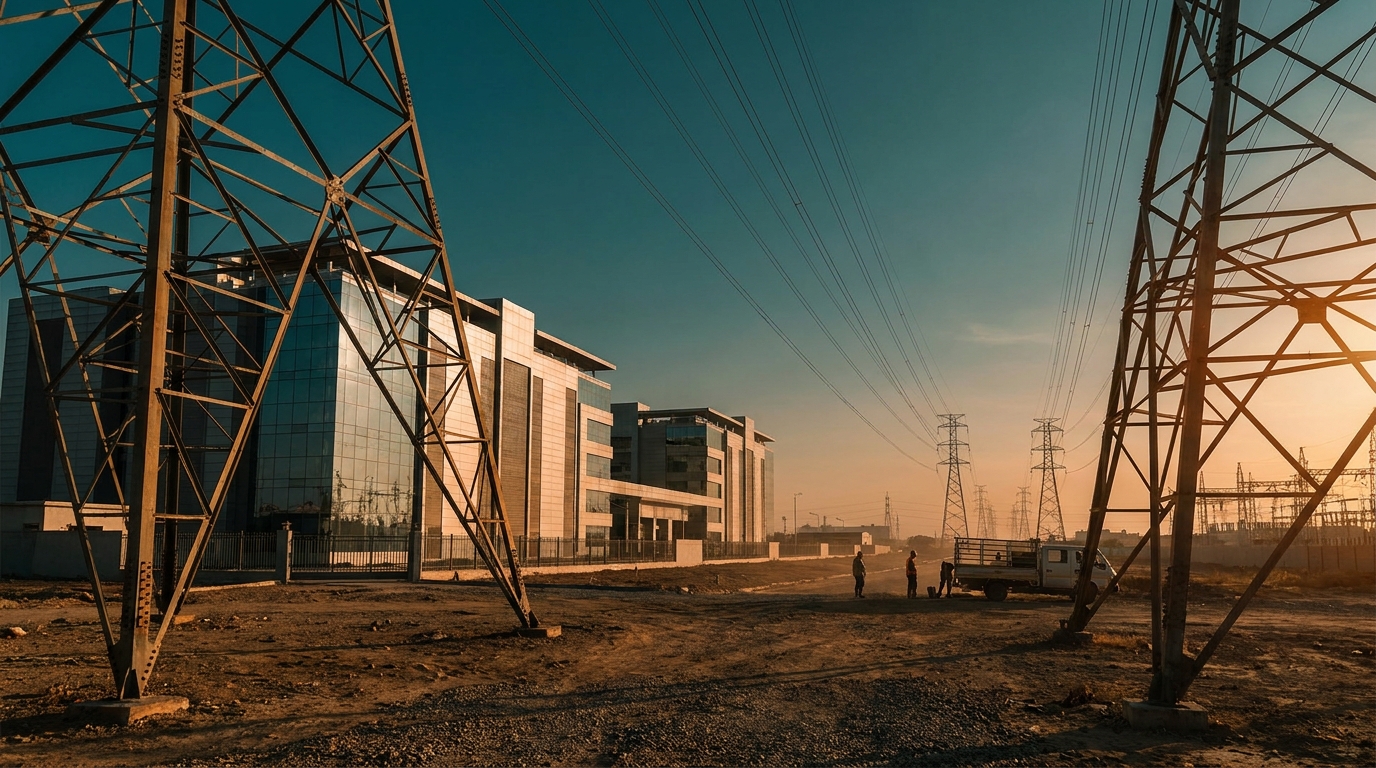
Data centers that permanently operate on off-grid natural gas score -9.0 on a 10-point scale in the new Transition Acceleration Framework (TAF) published by Rhodium Group on July 9, 2026, developed with pension fund CalSTRS and Generate Capital.
The TAF measures how much a specific investment accelerates or slows the decarbonization of the electric and industrial system relative to capital deployed, according to Latitude Media. Positive scores indicate that the investment catalyzes more emissions reductions per dollar than the baseline trajectory; negative scores indicate it slows decarbonization. The framework was designed for institutional investors seeking to align their capital with verifiable climate objectives, at a moment when hyperscalers (Amazon, Google, Microsoft, and Meta) are multiplying energy demand for artificial intelligence with no signs of deceleration in their emissions. For Latin America, where data center expansion competes with electrical grids still under development, the framework offers a concrete metric to evaluate the technology mix powering that infrastructure.
The highest TAF score corresponds to projects with grid interconnection and a PPA or direct investment in firm clean generation (enhanced geothermal or new nuclear), at +7.1 points. A 100% PPA with variable renewables scores +4.7. Configurations that combine gas with renewables, or that use gas as a temporary bridge toward grid connection, score negative, between -2.2 and -3.3. By contrast, data centers permanently isolated from the grid and supplied with gas register -9.0, the worst rating in the spectrum. The framework covers more than 100 technologies across all sectors and was designed to answer a concrete question: whether each additional dollar accelerates or slows the energy transition relative to the baseline trajectory.
The TAF arrives as institutional capital with climate mandates seeks standardized metrics to decide how to power data centers. For Latin America, the framework poses a concrete dilemma: whether investment tilts toward firm clean technologies or whether the urgency of connection speed tips the balance toward gas.
This article was drafted with artificial intelligence assistance from verified sources and reviewed by a human editor before publication.
Sources
Related stories
This article was drafted with AI assistance from verified sources and reviewed by a human editor before publication.