Pampa Energía Approves US$2,700 Million for the Region's Largest Urea Plant
Pampa Energía is investing US$2,700M in the largest urea plant in Latin America. Powered by Vaca Muerta gas, the facility will produce 2.1 million tonnes per year for the Brazilian market.
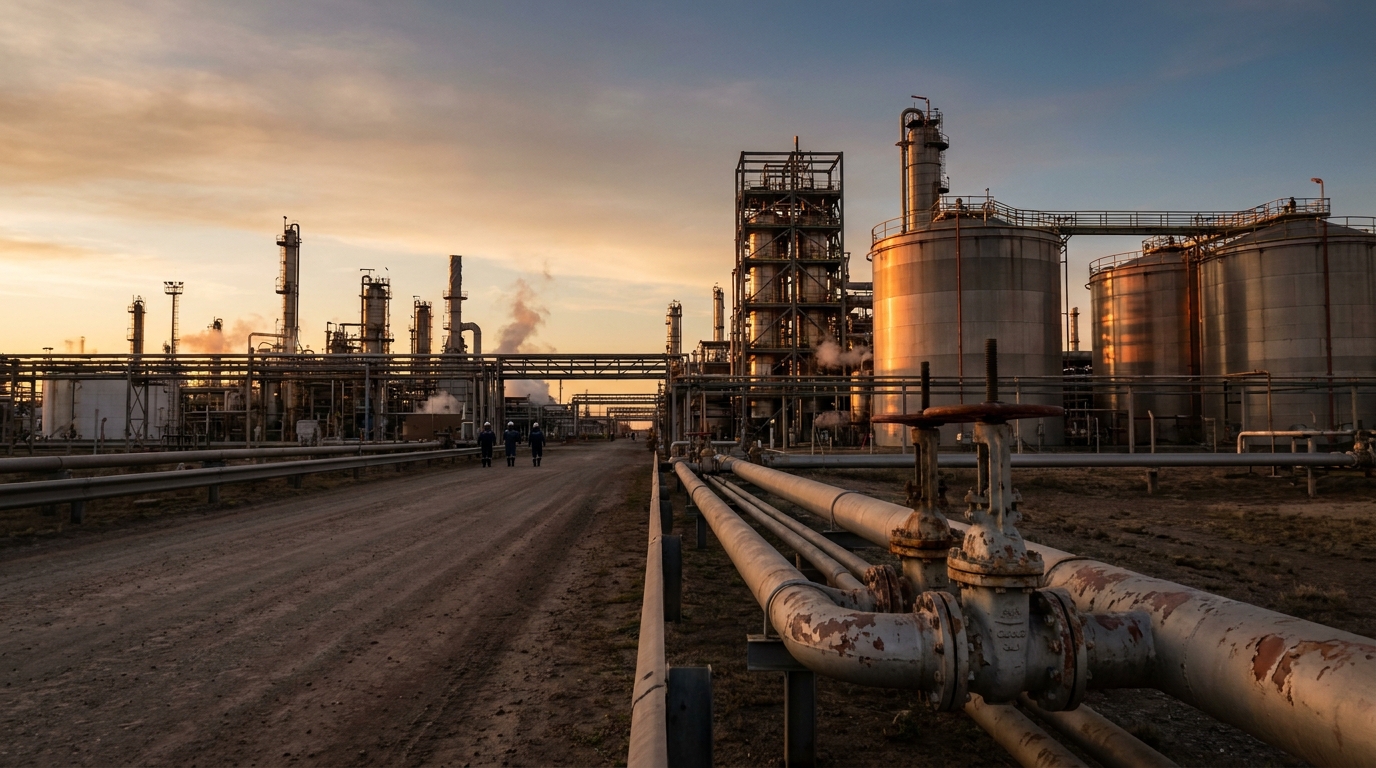
Pampa Energía approved on July 17, 2026 the largest investment in its history: US$2,700 million to build the largest granulated urea plant in Latin America, as reported by Bloomberg Línea. The plant, with a capacity of 2.1 million tonnes per year, will be located in the industrial hub of Bahía Blanca.
The project, to be developed by subsidiary Fértil Pampa, monetizes the natural gas from Vaca Muerta (the world's second-largest unconventional gas reserve) through an ammonia and urea industrial chain designed to substitute Argentine imports and export to Brazil. The plant will connect directly to the main trunk pipelines of the Neuquén formation and will occupy 80 hectares within the Bahía Blanca port area.
The investment is contingent on the project qualifying under the Large Investment Incentive Regime (RIGI) and the Buenos Aires Province Strategic Investment Regime (REPIE). Bloomberg Línea reported that Pampa Energía considers both approvals essential to executing the project. The RIGI application was submitted last March, according to Infobae.
The plant will have two production lines with a combined daily capacity of 6,000 tonnes of granulated urea and will include an ammonia unit. Construction will take approximately 41 months, with a peak of more than 3,500 direct jobs and around 300 permanent positions during operations, projected for late 2029.
Engineering and procurement will be handled by Tecnimont, part of the Italian group MAIRE, while SACDE, a construction firm of the Mindlin family, will carry out the civil works. Nextchem, through Stamicarbon, and KBR will supply the process technology. Marcelo Mindlin, chairman of Pampa Energía, stated that this is the most important investment decision in the company's history, according to Bloomberg Línea.
Brazil imports between 7 and 8 million tonnes of urea per year and will be the plant's primary export market. South America imports approximately 11.5 million tonnes of the fertilizer annually, with a structural deficit that the Middle East partially covers: in 2025, the region accounted for 34 percent of global urea exports, according to Bloomberg Línea.
The Bahía Blanca plant aims to substitute Argentine imports of nitrogenous fertilizers and compete in the Brazilian market from a low-cost natural gas base. Operations are expected to begin in late 2029, subject to the start of construction once regulatory approvals from RIGI and REPIE are obtained.
This article was written with AI assistance based on verified sources and reviewed by a human editor before publication.
Sources
Related stories
This article was drafted with AI assistance from verified sources and reviewed by a human editor before publication.