Hormuz recovers 12 mb/d but gasoline price normalization in Mexico will be gradual
Flow through the Strait of Hormuz rose from 9.6 to 12 mb/d in June 2026, according to the IEA. Analysts warn that gasoline prices in Mexico will adjust progressively, not immediately.
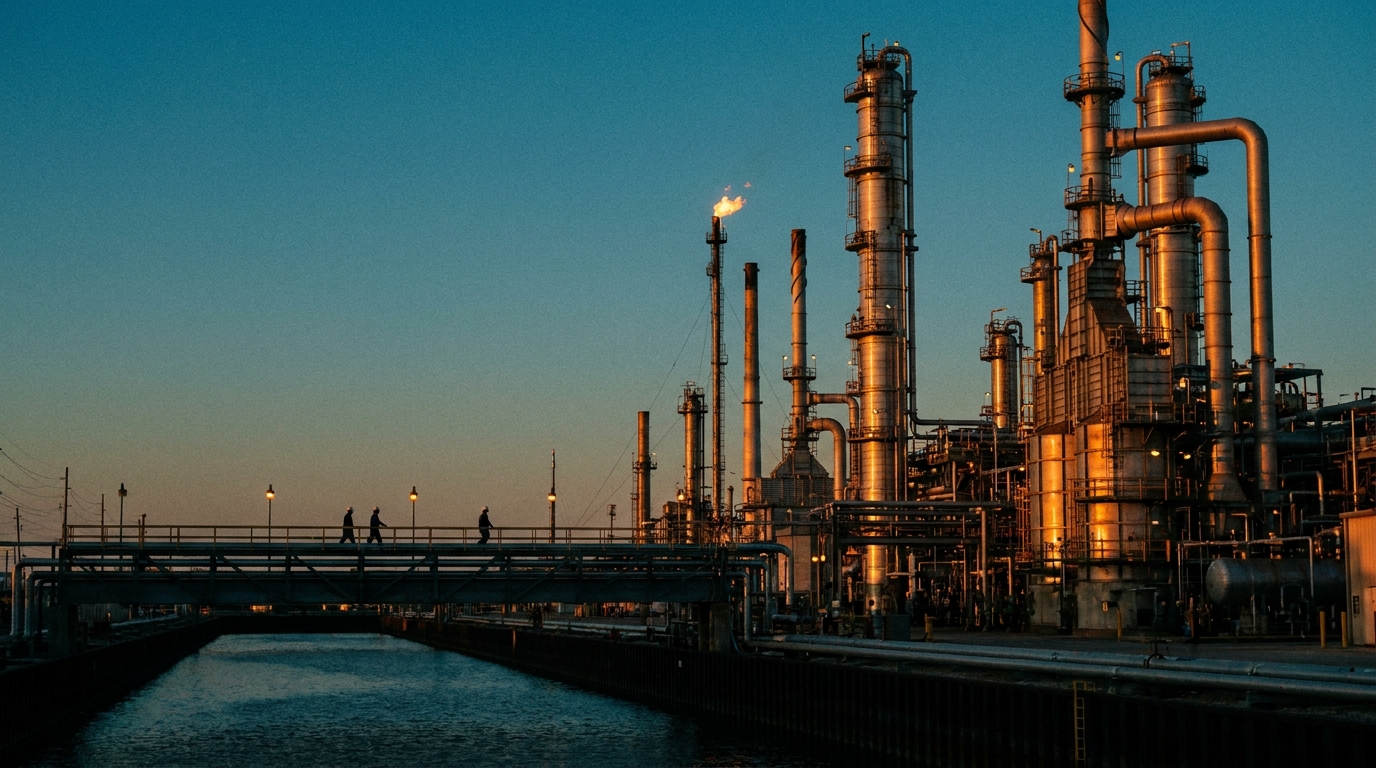
Crude flow through the Strait of Hormuz rose from 9.6 to approximately 12 million barrels per day (mb/d) between May and the first days of June 2026, according to the IEA's June Oil Market Report. Market analysts warn that the adjustment in gasoline prices in Mexico will be gradual, not immediate.
The link between Hormuz and the Mexican consumer is direct: before the closure, the strait carried between 14 and 15 mb/d, roughly 15% of global crude trade. The disruption reduced that flow by nearly 95%, forcing markets to draw down global strategic reserves. According to El Universal Cartera, citing analysis from specialist agency Argus, approximately 1.7 billion barrels were withdrawn from global reserves during the peak months of tension. Mexico imports gasoline and other refined products; fluctuations in international crude prices affect fuel import costs and, by extension, consumer prices at the pump.
The IEA reports that North Sea benchmark crude fell more than $40 per barrel to around $82, with global demand projected to contract by 1.1 mb/d year-on-year in 2026. At the height of the crisis, the Mexican export blend (Mezcla Mexicana) exceeded $90 per barrel in March, compared to the $54.90 budgeted for the year, according to data cited by El Universal Cartera. Sergio Meana, Director of Business Development for Latin America at Argus, indicated that rebuilding global inventories will take time and that any movement in benchmark prices will not translate immediately to the pump.
The global market will continue rebalancing in the coming weeks. The key indicators to watch are the IEA's July 2026 monthly report, which will assess the pace of inventory rebuilding, and the reference price estimates to be published by the Ministry of Energy (SENER) and Petróleos Mexicanos (Pemex) for the second half of the year.
This article was drafted with artificial intelligence assistance from verified sources and reviewed by a human editor before publication.
Sources
Related stories
This article was drafted with AI assistance from verified sources and reviewed by a human editor before publication.