Offshore Wind Displaces 1 GW of Oil Generation During New England Heat Wave
Vineyard Wind, Revolution Wind, and other Atlantic offshore wind projects reduced fossil fuel generation by 37% against the July 2 peak of 25,351 MW.
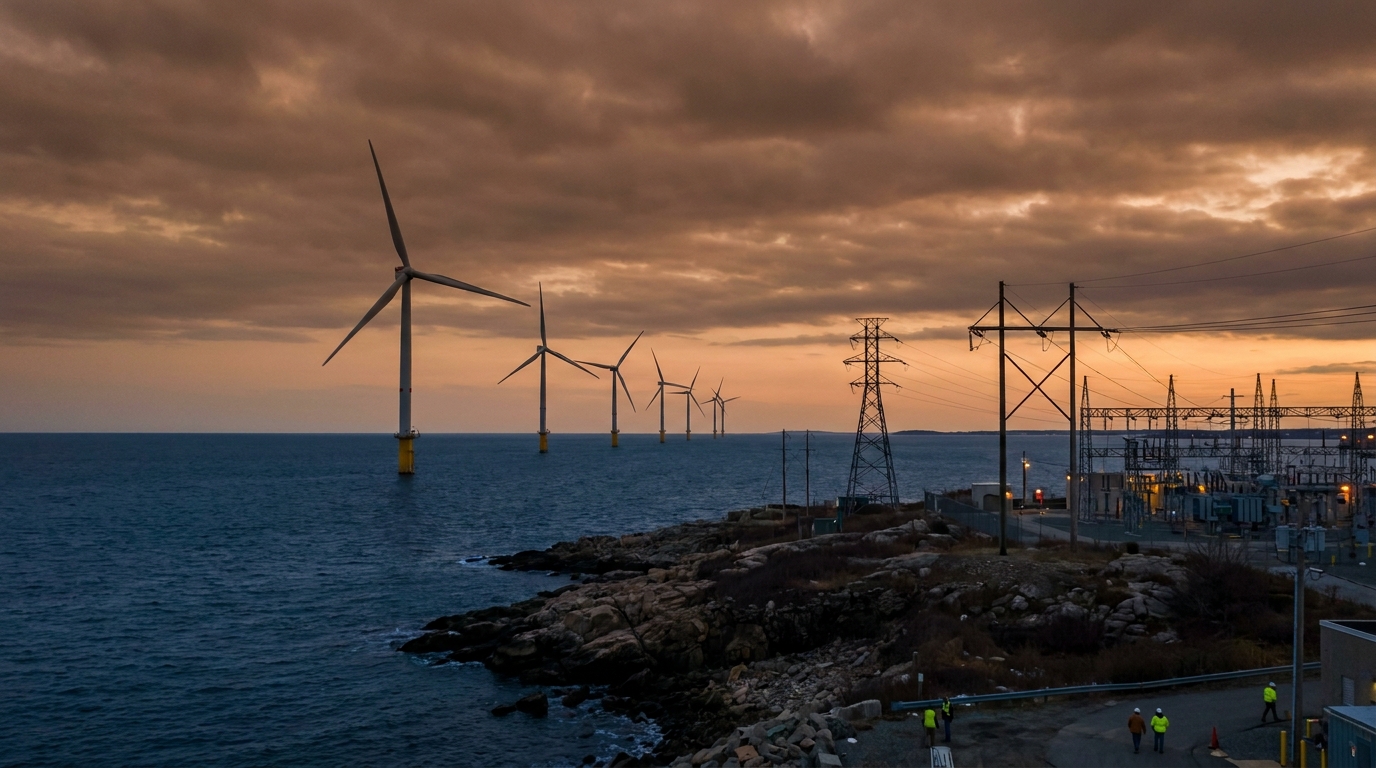
Offshore wind generation in New England displaced more than one gigawatt (GW) of oil-fired generation during the heat wave that struck the region from July 1 to 4, 2026, according to operational data from grid operator ISO New England (ISO-NE) analyzed by Canary Media. Liquid fossil fuel combustion for electricity generation fell 37% over the four-day period compared to the comparable event in June 2025.
The New England grid faced exceptionally tight operating conditions. ISO-NE issued a precautionary alert on July 1 and projected a peak of 25,850 MW for July 2; actual demand reached 25,351 MW, the highest level of 2026 to that date, according to the operator's operational bulletin. On a typical summer day, demand hovers around 18,000 MW. The operator warned of slim excess capacity to absorb unforeseen events and called on consumers to reduce usage between 4 and 8 p.m.
Vineyard Wind (806 MW, Massachusetts), with 49 of 62 turbines in operation, and Revolution Wind (704 MW, Rhode Island), which began injections in March 2026, delivered hundreds of megawatts during peak demand hours. South Fork Wind (132 MW, off Long Island) operated at near-full capacity on July 2. Oil generation represented 10% of supply during the July 2 peak, compared to 15% in June 2025, a reduction of more than 1 GW. Over the four days, 42.2 GWh were generated from oil, 37% less than during the 2025 heat wave. Tim Ennis, analyst at Grid Status, told Canary Media that the turbines relieved grid stress from July 1 to 4. The New England Clean Energy Connect line, which has transported Canadian hydropower since January 2026, and rooftop solar generation also reduced dependence on fossil fuels.
Five large-scale offshore wind projects will add nearly 6 GW to East Coast U.S. grids, a relevant figure for operators and financiers evaluating grid resilience. The July 2026 evidence indicates that this capacity reduces the risk of grid stress during extreme weather events.
This article was drafted with artificial intelligence assistance from verified sources and reviewed by a human editor before publication.
Sources
Related stories
This article was drafted with AI assistance from verified sources and reviewed by a human editor before publication.