One Year of OBBBA: $68.2 Billion and 468,000 Clean Energy Jobs Canceled in the U.S.
216 clean energy projects canceled in the U.S. one year after the OBBBA. Investment lost: $68.2 billion and 468,000 jobs, per an E2 report.
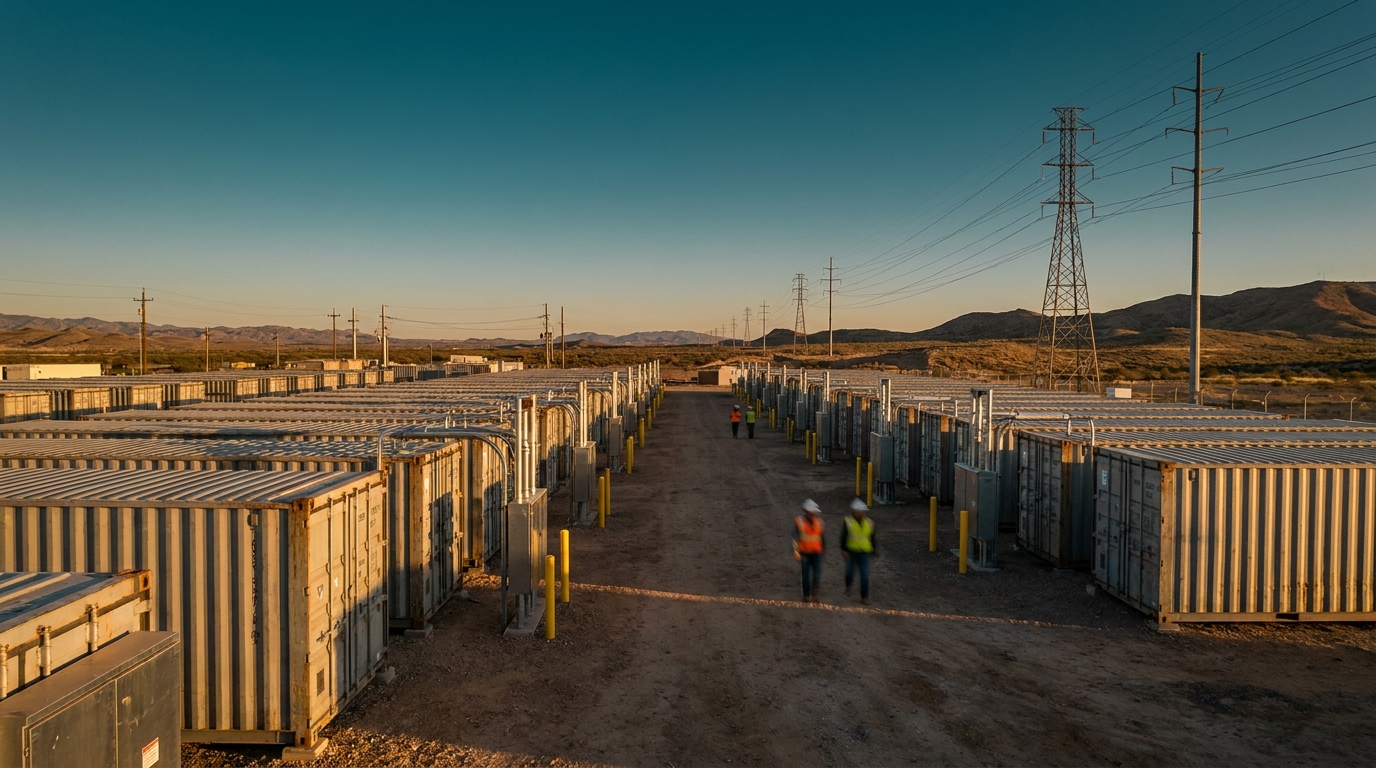
One year after the One Big Beautiful Bill Act (OBBBA) took effect, the United States has accumulated $68.2 billion in canceled clean energy capital investment and 468,000 jobs not sustained, according to a report by the organization Environmental Entrepreneurs (E2) published on July 9, 2026.
The OBBBA, signed on July 4, 2025, modified the timelines for the production tax credits (PTC) and investment tax credits (ITC) that the Inflation Reduction Act had extended to the clean energy sector. It also accelerated the end of the federal 25D credit for residential systems and imposed stricter restrictions on components linked to foreign entities of concern.
The slowdown in investment carries implications for the regional supply chain. Mexico, integrated into component manufacturing for the solar, storage, and electric vehicle sectors, is exposed to the deceleration in capital flows that these cancellations represent. The $68.2 billion in stalled projects is a signal for manufacturers and suppliers operating in the North American value chain.
The E2 report, produced by BW Research, breaks down the lost investment by technology. Battery storage accounted for the largest share at 35% of the total, followed by solar (25%), electric vehicles (24%), and wind (16%), according to Canary Media. In capacity terms, the cancellations amount to approximately 10 gigawatts (GW) of solar, 9 GW of batteries, and 3.75 GW of wind, equivalent to the supply of roughly three million homes.
Among the stalled projects, notable cases include Natron's battery plant in North Carolina ($1.4 billion), the Freyr/T1 Energy factory in Georgia ($2.57 billion), and Stellantis's electric vehicle plant in Illinois ($3 billion), according to the report cited by Fast Company. Of the total jobs not sustained, 343,500 correspond to permanent operational positions and 124,500 to construction jobs. The annual loss in gross domestic product from canceled operations is estimated at $55.1 billion.
The E2 report is published amid legislative realignment. A group of Republican lawmakers introduced the American Energy Dominance Act in April 2026, proposing to partially restore tax credits for renewable energy. The trajectory of that initiative and the outcome of the midterm elections in November will determine whether capital flows into clean energy regain momentum in 2027.
This article was written with artificial intelligence assistance based on verified sources and reviewed by a human editor before publication.
Sources
Related stories
This article was drafted with AI assistance from verified sources and reviewed by a human editor before publication.