NextEra-Dominion $67B Merger Enters FERC Review
The largest utility acquisition in U.S. history would create a company with 10 million customers and 110 GW of capacity; closing is expected in the second half of 2027.
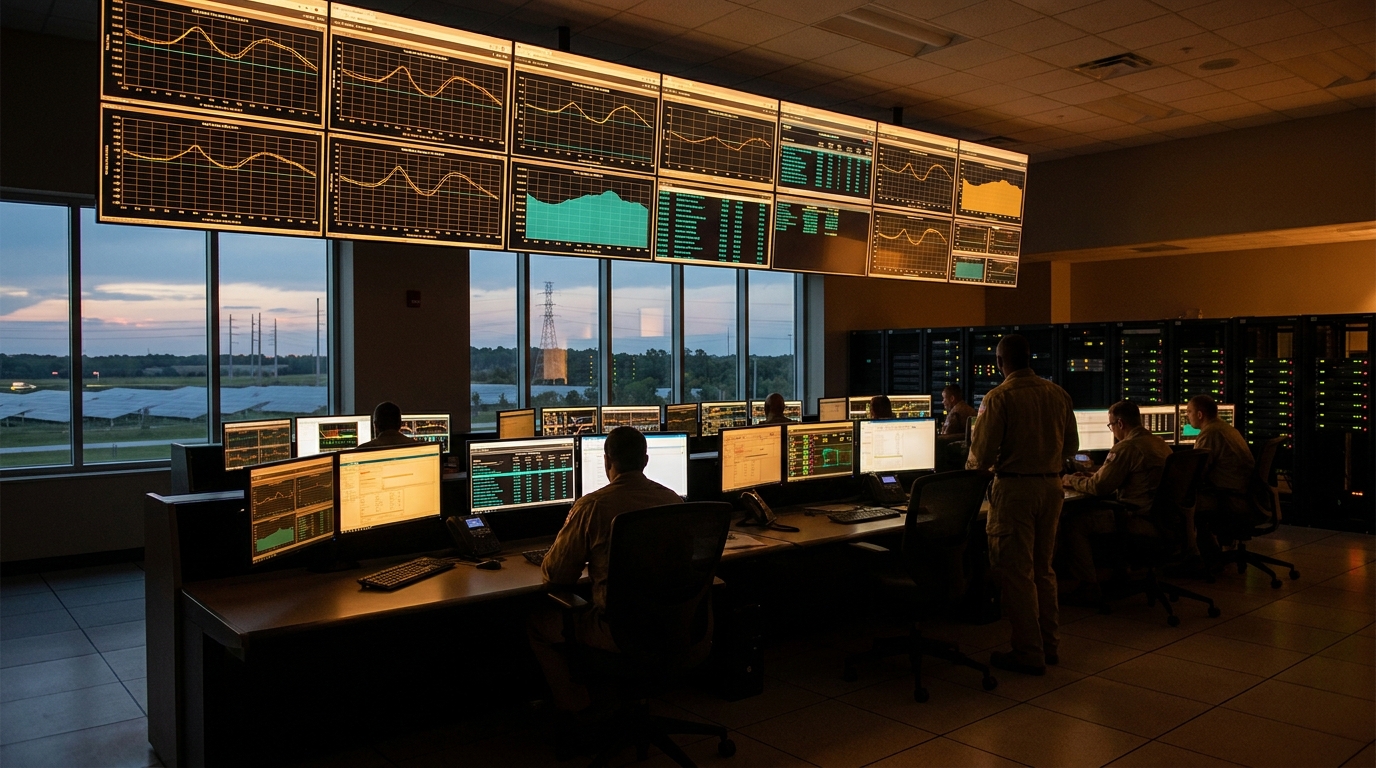
NextEra Energy and Dominion Energy filed formal applications on July 15 with the Federal Energy Regulatory Commission (FERC) and the Nuclear Regulatory Commission (NRC) to approve their $67 billion merger, the largest utility acquisition in U.S. history. The combined company would serve more than 10 million customers with 110 gigawatts (GW) of installed capacity across Florida, Virginia, and the two Carolinas.
The deal, signed on May 15 as an all-stock transaction, reflects a bet on consolidating regulated assets to absorb electricity demand from data centers. Dominion operates in Virginia, the world's largest data center market. The combined entity reports a pipeline of 130 GW in large-load projects, mostly artificial intelligence infrastructure, according to analysis by Latitude Media. NextEra plans to invest $59 billion annually in capital over the next five years and projects 11% annual growth through 2032.
The deal terms, detailed in filings with the Securities and Exchange Commission (SEC), establish that Dominion shareholders will receive 0.8138 NextEra shares for each share held, plus a one-time payment of $360 million, giving them approximately 25.5% of the combined company. The companies committed to directing $2,250 million in bill credits to Dominion customers during the first two years after closing, expected in the second half of 2027. The most consequential review is that of the Virginia State Corporation Commission, which has a statutory 180-day window; shareholder votes are scheduled for September.
For Mexico and Latin America, the NextEra-Dominion merger is the reference case for a pressure the region is only beginning to face: the demand that digital infrastructure (data centers, cloud computing, artificial intelligence) places on generation and transmission capacity. Mexico hosts data center projects in Querétaro, Nuevo León, and Valle de México that are competing for access to the National Electric System (SEN) grid. The scale of investment that U.S. utility consolidation is mobilizing offers a roadmap for what lies ahead.
This article was written with artificial intelligence assistance based on verified sources and reviewed by a human editor before publication.
Sources
Related stories
This article was drafted with AI assistance from verified sources and reviewed by a human editor before publication.