After 3 GW Data Center Drop, NERC Accelerates Ride-Through Rules
The largest data center disconnection in the U.S. (3 GW, 3% of PJM demand) accelerates NERC ride-through requirements and ERCOT rules.
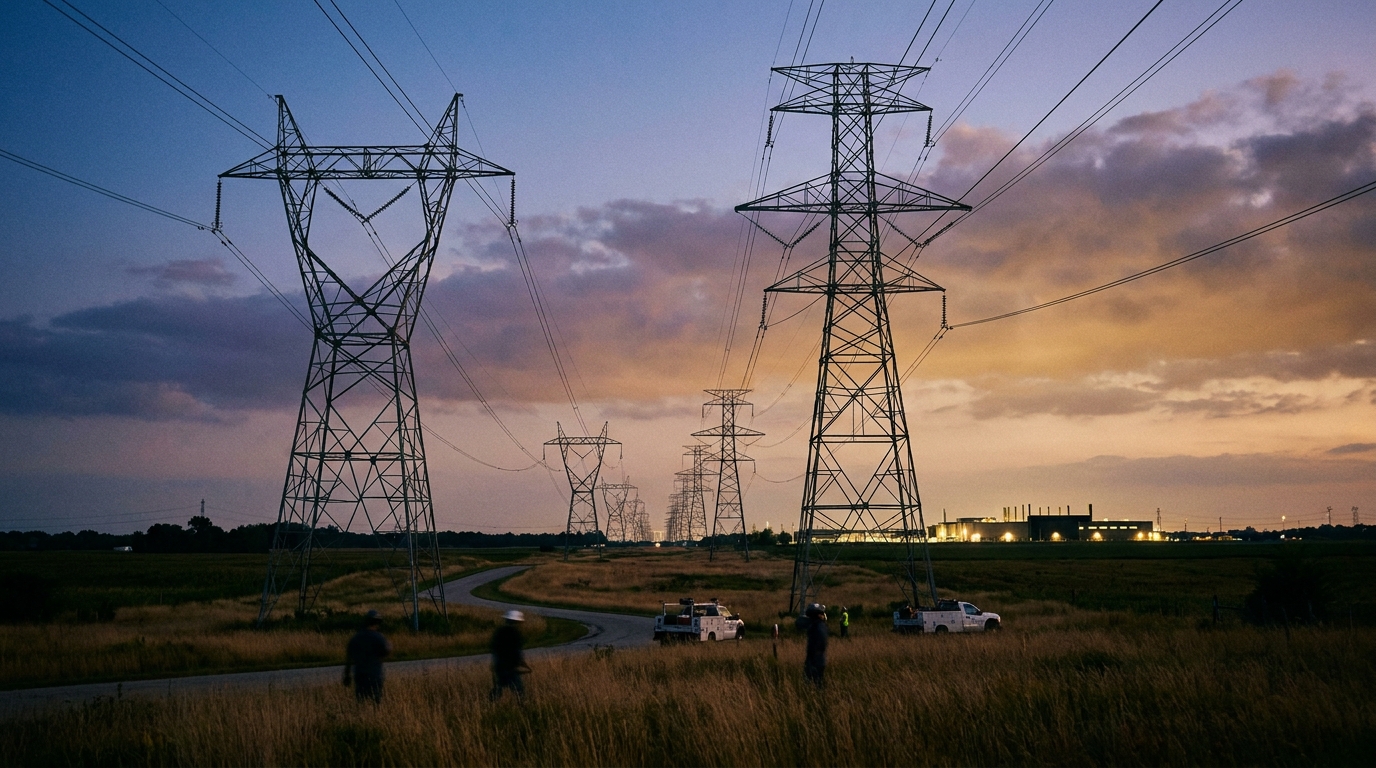
On July 22, 2026, a transmission line failure in Ashburn, Virginia, automatically disconnected 3 gigawatts (GW) of data center load from the PJM Interconnection grid, the largest event of its kind on record and equivalent to 3% of the system's demand at that time.
The disconnection was not ordered by PJM or Dominion Energy. It was triggered by the data centers' own protection systems, which detected the voltage disturbance and transferred load to backup generators. The grid stabilized within 10 minutes without outages to end users, though frequency fluctuations were felt from Washington D.C. to Chicago, according to Data Center Knowledge. The incident is the largest in a sequence that began with 1.5 GW in July 2024 and 2 GW in February 2025. For operators in Latin America, where investment in data centers is growing rapidly, the Virginia case foreshadows the reliability challenges their own grids will face as they integrate large-scale computing loads.
The North American Electric Reliability Corporation (NERC) had issued a Level 3 alert in May 2026, its highest tier, directed at developers, utilities, and grid operators. NERC is preparing mandatory ride-through requirements (the ability to remain connected during minor voltage or frequency disturbances), similar to those already in force for generation plants. Final approval by the Federal Energy Regulatory Commission (FERC) could take years, but NERC has already recommended incorporating ride-through criteria into interconnection studies.
Texas moved first: starting August 1, 2026, new large loads in ERCOT must remain connected during disturbances. Existing facilities will have 180 days to report and correct any ride-through deficiencies. The Data Center Coalition, which represents Amazon, Google, Meta, and Microsoft, opposed the rules and questioned ERCOT's legal authority, according to Latitude Media. John Moura, NERC's director of reliability, noted that the organization is reviewing the event but considered it too early to draw broader lessons.
The market is already anticipating the new environment: PJM announced a mandatory registration requirement for large loads, and companies such as ON.Energy and Verrus are deploying backup systems with integrated ride-through capability. As data centers reach gigawatt scale in more markets, the difference between an automatic disconnection and a controlled ride-through defines the boundary between a manageable fluctuation and a systemic risk.
This article was written with artificial intelligence assistance from verified sources and reviewed by a human editor before publication.
Sources
Related stories
This article was drafted with AI assistance from verified sources and reviewed by a human editor before publication.