Elon Musk Acquires APR Energy: $1 Billion in Gas Turbines for AI Data Centers
The quiet acquisition of a gas turbine fleet with more than 1 GW of capacity reveals how tech companies are prioritizing speed over decarbonization in the race for artificial intelligence.
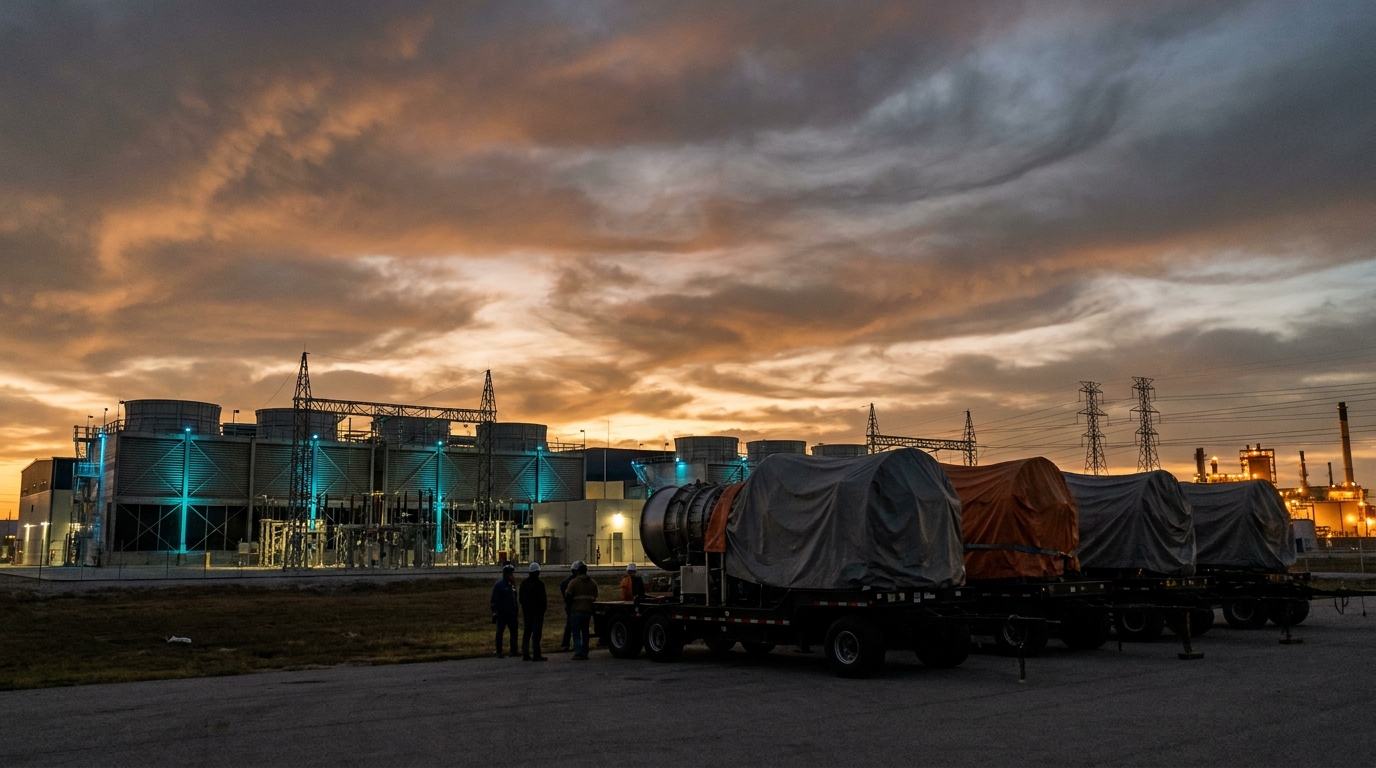
Elon Musk acquired APR Energy in May 2026, without any public announcement, for an estimated one billion dollars. The transaction came to light on July 14, when the Federal Trade Commission (FTC) notification authorizing the purchase was detected by specialized media.
APR Energy, headquartered in Jacksonville, Florida, operates a fleet of trailer-mounted gas and diesel turbines with more than one gigawatt (GW) of capacity. Its units reach full power in under 10 minutes and can be deployed in days, not the years required for a conventional power plant. Fortress Investment Group had acquired the company's assets in late 2024.
The purchase was made in a personal capacity, not through Tesla, SpaceX, or xAI, according to FTC documentation reported by Latitude Media. The most likely destination for the turbines is the Colossus and Colossus 2 supercomputers that xAI operates in Memphis, Tennessee, where up to 35 gas turbines are already running, according to Engadget. The federal Department of Justice (DOJ) intervened to keep them operating, arguing that the Grok chatbot, trained on those machines, is used by the U.S. armed forces.
The case illustrates a trend with significant regional implications: faced with the slow pace of grid interconnection processes, major tech companies are opting to generate their own electricity with natural gas rather than slow the rollout of artificial intelligence. xAI had already committed more than $2.8 billion in gas turbines for data centers before this acquisition, Latitude Media reported.
The same self-generation model is replicable in Latin American markets with transmission constraints and high industrial demand, such as Querétaro or Monterrey in Mexico, where natural gas infrastructure already exists. Environmental organizations filed suit under the U.S. Clean Air Act, alleging that the Memphis equipment could emit more than 2,000 metric tons of nitrogen oxides annually, according to Engadget. The lawsuit has not slowed the project: the number of turbines at the site has increased.
The acquisition vertically integrates Musk's energy-AI supply chain. He now controls both the computing client (xAI) and its off-grid electricity provider. The figure to watch is whether this self-generation model with natural gas replicates across the data centers xAI plans outside the United States.
This article was written with artificial intelligence assistance from verified sources and reviewed by a human editor before publication.
Sources
Related stories
This article was drafted with AI assistance from verified sources and reviewed by a human editor before publication.