Microsoft, Amazon and Google Log 119 Million Tonnes CO2e, Up 20%
Microsoft, Amazon and Google combined for 119 million tonnes of CO2e in fiscal year 2026, a 20% increase driven by the rapid expansion of their AI data centers.
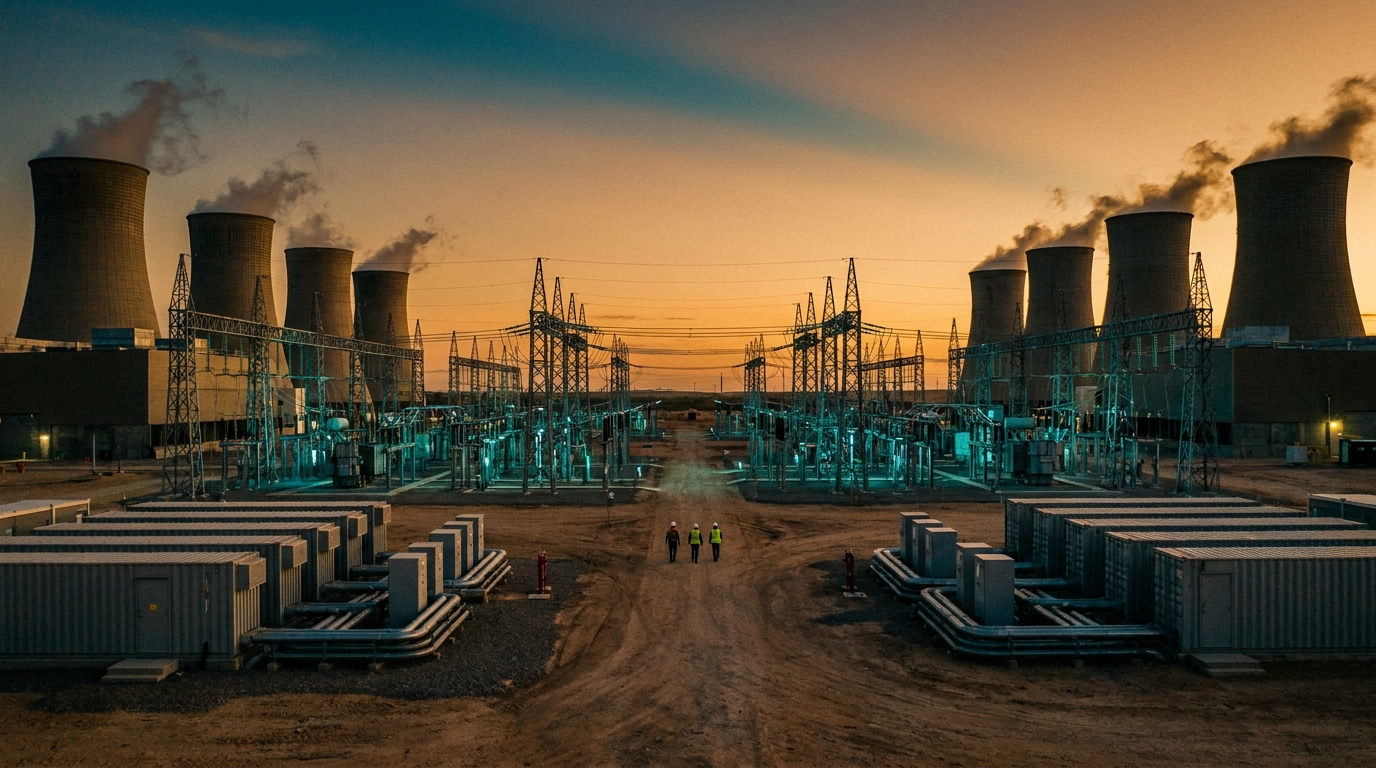
Microsoft, Amazon and Google collectively emitted 119 million metric tonnes of CO2 equivalent (CO2e) in the fiscal year ending March 2026, a nearly 20% increase from the prior period. The figure, reported by The Guardian on July 11, is equivalent to nearly one-third of France's annual emissions.
The growth is driven by the accelerated expansion of data centers for artificial intelligence (AI) and cloud services. The major tech companies plan to invest $765 billion this year, primarily in data center infrastructure, and consultancy JLL estimates that 1,200 new data centers will be built worldwide by 2030. By company, Microsoft reported a 25% rise in emissions to 20 million tonnes, attributed directly to data center construction; Google recorded an 18% increase concentrated in its supply chain; and Amazon reported a 16% rise, with a 20% jump in its supply chain emissions, according to Bloomberg.
The expansion is straining electrical grid capacity. In the United States, more than 2.2 terawatts (TW) of generation and storage projects were awaiting interconnection approval at the close of 2025, double the country's total installed capacity, according to pv magazine. In saturated areas such as northern Virginia, energizing a new data center can take up to 10 years. Solar power with battery storage is emerging as the most competitive mitigation pathway: the levelized cost of electricity (LCOE) for solar systems with four-hour battery storage stood at $57 per megawatt-hour (MWh), compared with $102 per MWh for combined-cycle natural gas plants.
Despite the increase, all three companies maintain their net-zero emissions targets: Microsoft and Google by 2030, Amazon by 2040. Microsoft stated in its sustainability report that available solutions are not scaling at the pace of AI demand and that the company sees this gap as a mandate to lead differently. Delivering on these commitments against infrastructure that is only beginning to be deployed will define the sector's energy conversation in the years ahead.
This article was drafted with artificial intelligence assistance from verified sources and reviewed by a human editor before publication.
Sources
Related stories
This article was drafted with AI assistance from verified sources and reviewed by a human editor before publication.