Mexico Aligns with Private Sector on USMCA Review Stance; 85% of Exports Duty-Free
Marcelo Ebrard convened Mexico's private sector to unify the country's negotiating position ahead of the third USMCA bilateral round, scheduled July 21-23 in Mexico City, after the United States rejected an automatic extension of the agreement.
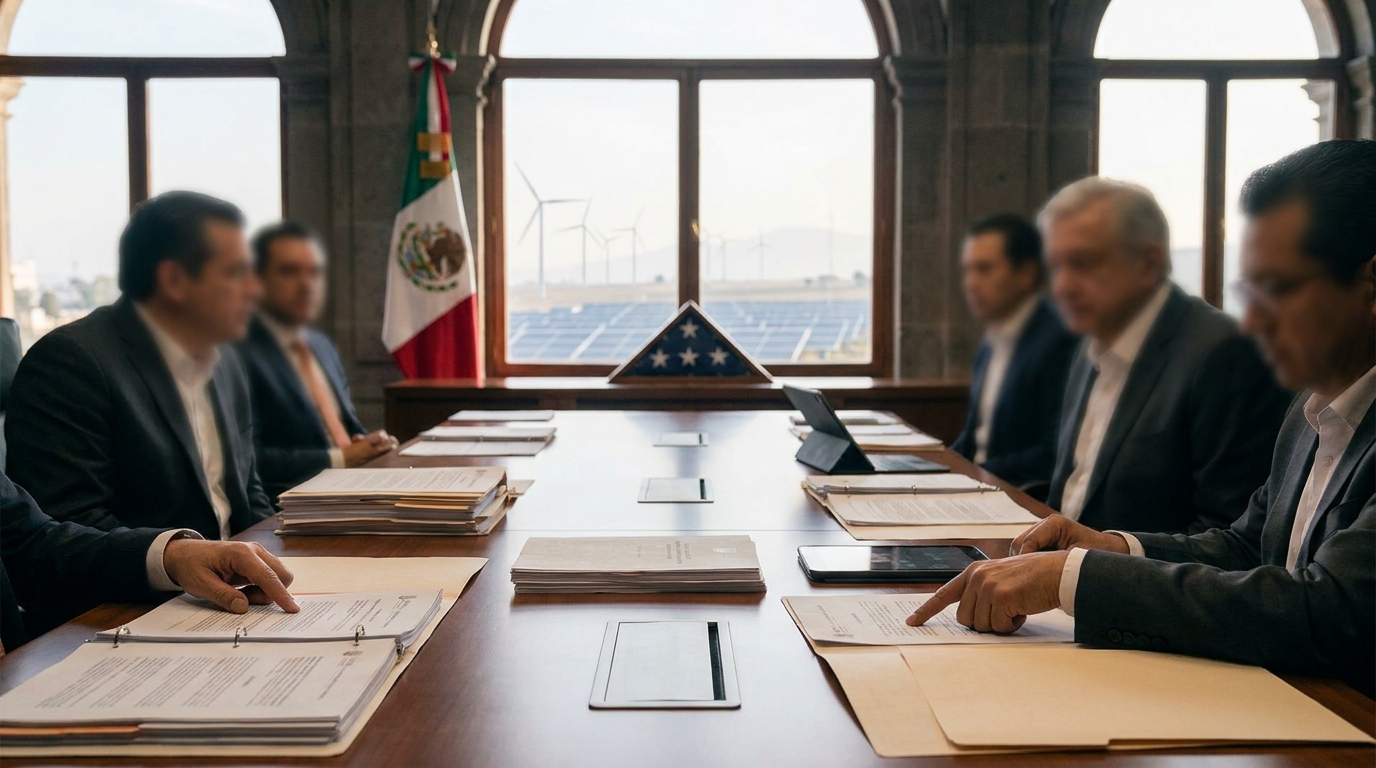
Economy Secretary Marcelo Ebrard met on July 16 with the Business Coordinating Council (CCE) and private sector organizations to define Mexico's position ahead of the third bilateral round of USMCA negotiations, scheduled for July 21-23 in Mexico City.
The round marks the opening of a new phase in North American trade relations. On July 1, during the first joint treaty review, the United States government rejected the automatic 16-year extension of the USMCA provided for under Article 34.7 of the agreement. The treaty remains in force through 2036, but is now subject to annual reviews among the three partners (Mexico, the United States, and Canada) until a new renewal consensus is reached. Ebrard described this scenario as "the most complicated" given the uncertainty that annual reviews create for regulatory changes that take several years to implement, according to Bloomberg Línea. At the preparatory meeting, the secretary underscored that approximately 85% of Mexican exports to the United States enter duty-free, an advantage Mexico aims to protect at the negotiating table, according to Forbes México.
Attendees included CCE President José Medina Mora, along with representatives from the Confederation of Industrial Chambers (Concamin), the Mexican Business Council for Foreign Trade (Comce), the National Association of Self-Service and Department Stores (Antad), the Mexican Banking Association (ABM), and the National Agricultural Council (CNA). The two previous bilateral rounds addressed automotive and industrial rules of origin, steel and aluminum, economic security, agriculture, and regulatory compatibility in sectors such as medical devices and pharmaceuticals. On the U.S. side, Trade Representative Jamieson Greer will not attend the first two days of the round, as he is scheduled to appear before the U.S. Senate Finance Committee on July 22 to present the trade agenda. Ebrard and Greer are expected to meet on the third day of negotiations, according to El Universal.
The third round will determine whether the new annual review mechanism produces concrete changes to the rules of origin, particularly for the automotive, steel, and energy sectors that underpin the binational industrial supply chain. Negotiating teams from both countries agreed to maintain ongoing dialogue and a unified position throughout the talks. Ebrard and the CCE agreed to reconvene once the round concludes to assess progress.
This article was drafted with artificial intelligence assistance based on verified sources and reviewed by a human editor before publication.
Sources
Related stories
This article was drafted with AI assistance from verified sources and reviewed by a human editor before publication.