Mexico Imports 288,500 b/d of US Diesel as Industry Warns of 40% Shortfall
Mexico imports 288,500 barrels per day of US diesel, more than 40% of its supply. A halt to US exports would drive up trucking costs.
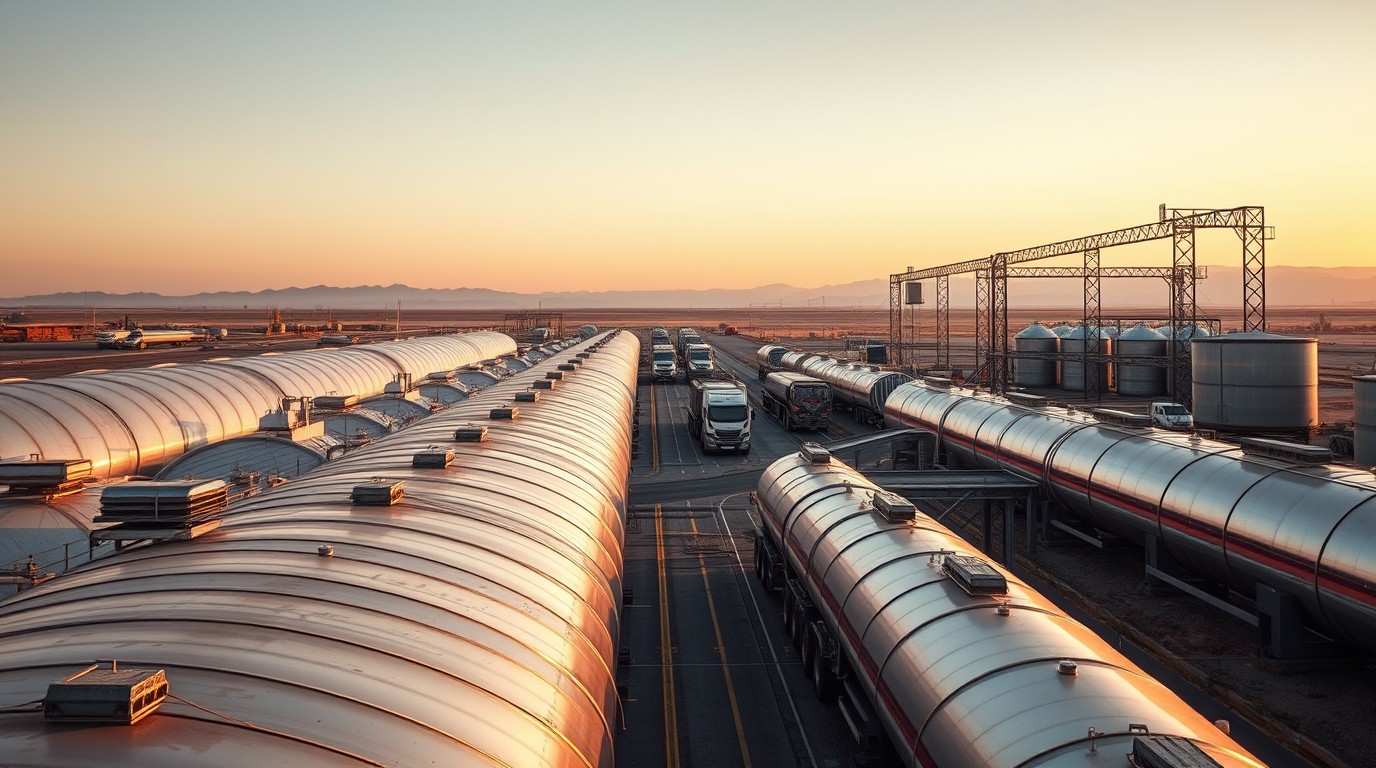
Mexico imported an average of 288,500 barrels per day of US diesel in June 2026, more than 40% of its national supply, according to data from the US Energy Information Administration (EIA) cited by Mexico Business News. With that level of dependence, a halt to US exports of distillates would expose Mexico's freight trucking industry to a shortfall close to that same 40%, the country's shipping sector warned on October 15, 2026.
Roberto Meillón Covarrubias, president of the Mexican Association of Shipping Agents (Amanac), laid out the scenario at the 30th Annual Congress of Shipping Agents, as reported by El Universal: if the United States restricts sales, companies without their own tanks would face supply problems in the ground transport industry. The Confederation of Industrial Chambers (Concamin) separately argued that the country needs ports and infrastructure that keep pace with international trade to sustain its position in global supply chains.
The backdrop is a global squeeze on distillates. According to OilPrice, global diesel exports fell by 700,000 barrels per day in September compared with the prior year, with a loss of 1.3 million barrels per day from Russia and the Middle East only partially offset. The International Energy Agency (IEA) expects inventories not to be replenished before the second half of 2027, and the price of US ULSD diesel exceeded the equivalent of 200 dollars per barrel in September.
For Mexican trucking, diesel accounts for up to 30% of operating costs, so a sustained restriction would feed through to freight rates. Meillón compared the scenario to the Covid-19 pandemic, when moving a 20-foot container from China to Mexico went from 2,000 to 20,000 dollars at its peak. The official said there is no estimated date for a shortage, because it will depend on how international tensions are resolved.
The point to watch is how the US government defines its distillate export policy and its effect on cross-border diesel flows: any change in the volume shipped to Mexico would show up first in ground freight costs and in the binational supply chain.
This article was written with the assistance of artificial intelligence based on verified sources and reviewed by a human editor before publication.
Sources
Related stories
This article was drafted with AI assistance from verified sources and reviewed by a human editor before publication.
← All news