Local Opposition Halts 75 Data Centers; U.S. AI Edge at Risk
75 large projects valued at more than $130 billion were canceled or suspended in Q1 2026 due to local community opposition, according to the Atlantic Council.
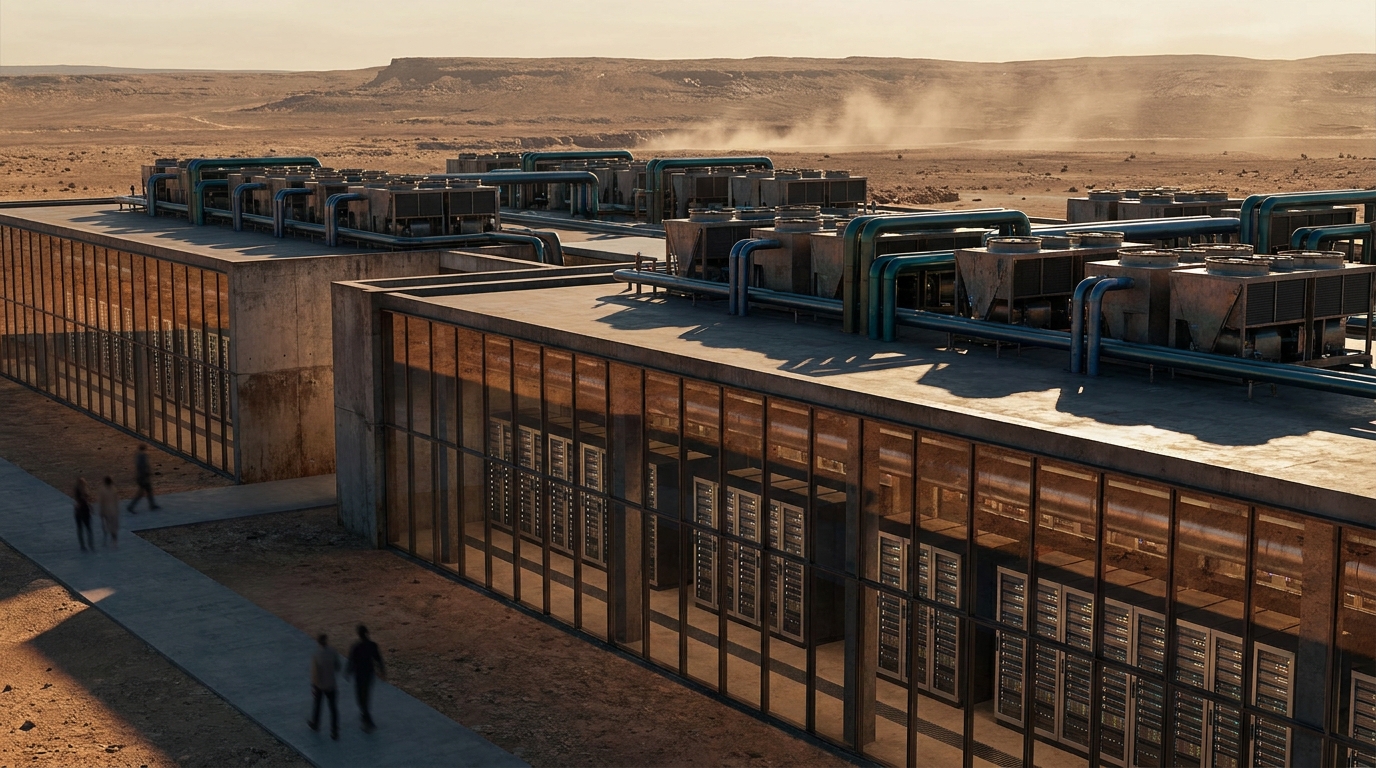
In Q1 2026, 75 large data center projects valued at more than $130 billion were canceled or suspended in the United States due to local community opposition, according to an Atlantic Council analysis published on July 17.
Opposition to these facilities has grown 50% over the past year, according to a Gallup survey cited in the report. Residents are pushing back against rising electricity rates, water consumption, and the noise associated with mega-projects. New York imposed the first statewide moratorium on new data center permits in 2026, while in Wisconsin community pressure canceled a $12 billion campus in DeForest. California, Tennessee, and a dozen more states are debating similar measures. Concerns over costs have crossed party lines: Republican governors from Montana, Wyoming, and Missouri are backing the Ratepayer Protection Compact, which requires developers to cover the full cost of grid upgrades.
The Atlantic Council article, authored by Jeannie Salo, warns that adversaries including China, Russia, and Iran are actively stoking opposition in American communities to slow U.S. digital infrastructure. The battle for AI supremacy, it argues, is no longer fought only in laboratories but in municipal hearings. On the demand side, the U.S. Energy Information Administration (EIA) projected in January 2026 that electricity demand will grow 1% this year and 3% in 2027, the four-year period with the highest growth since 2000, driven by large computing centers. Solar generation will grow 21% annually over that same period, with nearly 70 gigawatts of new capacity.
Congress is debating the Ratepayer Protection Act, which would require large consumers to bear the full cost of grid upgrades. As local resistance spreads across both parties, the window for the United States to secure the infrastructure underpinning its AI advantage is narrowing.
This article was written with artificial intelligence assistance from verified sources and reviewed by a human editor before publication.
Sources
Related stories
This article was drafted with AI assistance from verified sources and reviewed by a human editor before publication.