Moody's Warns of Power Constraints in Bajío as Mexico Nears 49,000 MW Demand
René Robles of Moody's Local México warns that electrical and water constraints in Bajío are conditioning technology investment, while CENACE projects a 54,000 MW summer peak.
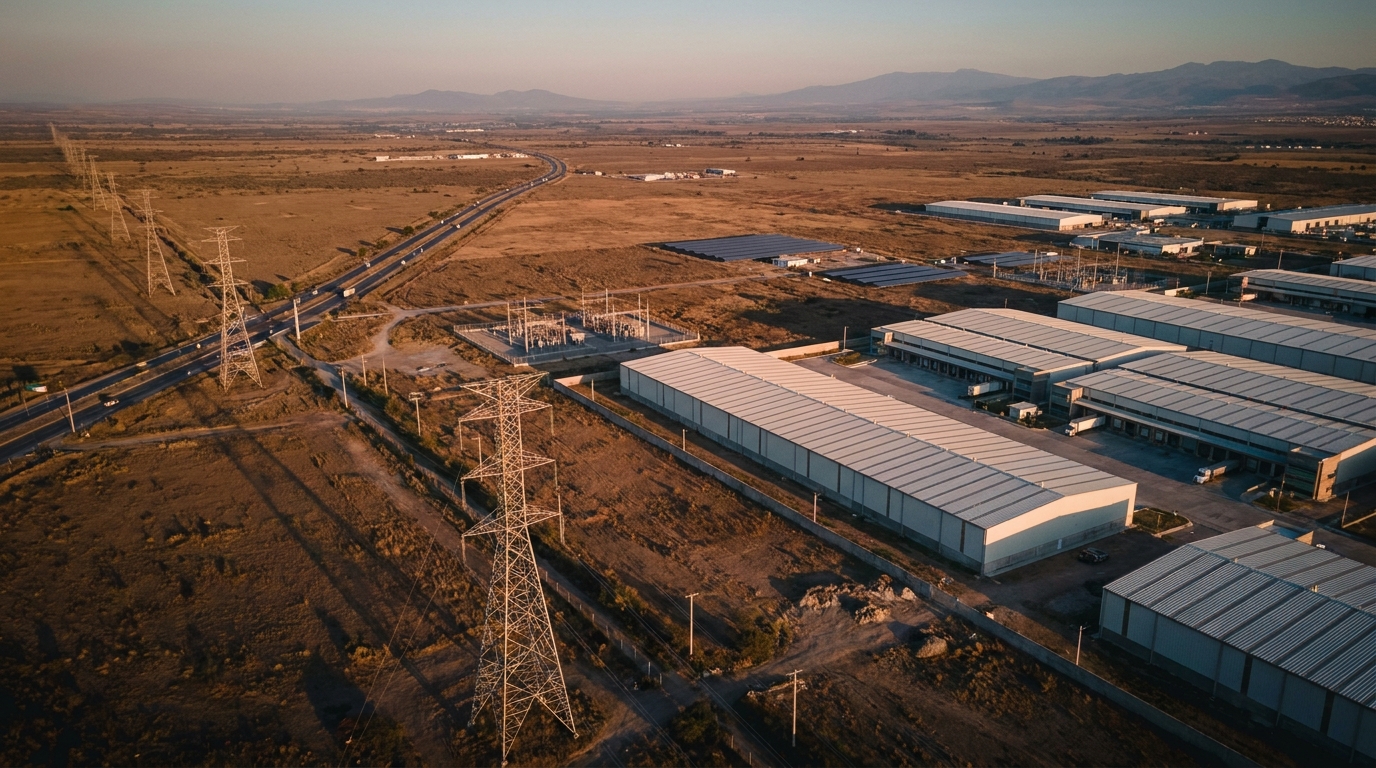
Data centers and advanced manufacturing are establishing a foothold in Bajío, but the region's electricity and water scarcity represents a growing constraint on technology investment. René Robles, director of credit analysis at Moody's Local México, noted on June 19, 2026, that Mexico faces limitations in electricity generation and water availability in northern industrial zones, conditions that affect the viability of new energy-intensive investments.
Bajío, with Querétaro as its epicenter, has positioned itself as the preferred destination for data center operators and manufacturers tied to nearshoring. Pressure on the national electricity system is simultaneous: the Centro Nacional de Control de Energía (CENACE) recorded consumption of 49,000 megawatts (MW) on June 18, with projections of up to 54,000 MW for the 2026 summer peak, according to data published by Expansión. The system operates with an installed capacity of approximately 92,000 MW, which means the margin narrows whenever extreme temperatures, industrial activity, and high demand coincide. In parallel, water scarcity in the north compounds the outlook for industries that require large volumes of water in their cooling processes.
According to El Universal, the World Economic Forum ranked Mexico 59th out of 120 countries in its Energy Transition Index, four positions below the previous measurement, a setback reflecting the tension between industrial growth and generation capacity. Robles specified that energy-intensive industries require greater investment in generation, particularly in renewable sources. Gerardo Herrera, an academic at Universidad Iberoamericana, observed that actual investment has proven more limited than announced commitments and pointed to the need to strengthen local value chains. Technology companies arriving in Bajío are demanding renewable energy purchase agreements (PPAs), adding pressure on a segment still under regulatory development.
CENACE projects demand of up to 54,000 MW for the 2026 summer peak, a level the system has never reached before. That threshold will serve as the first objective measurement of available margins for the additional load demanded by new industrial and technology operators in Bajío.
This article was drafted with the assistance of artificial intelligence based on verified sources and reviewed by a human editor before publication.
Sources
Related stories
This article was drafted with AI assistance from verified sources and reviewed by a human editor before publication.