U.S. Jones Act Fleet Shrank from 434 to 93 Vessels; Hormuz Crisis Triggered Waiver
The Hormuz crisis exposed the collapse of the U.S. Jones Act fleet to 93 vessels. The Atlantic Council examines the impact on regional energy security.
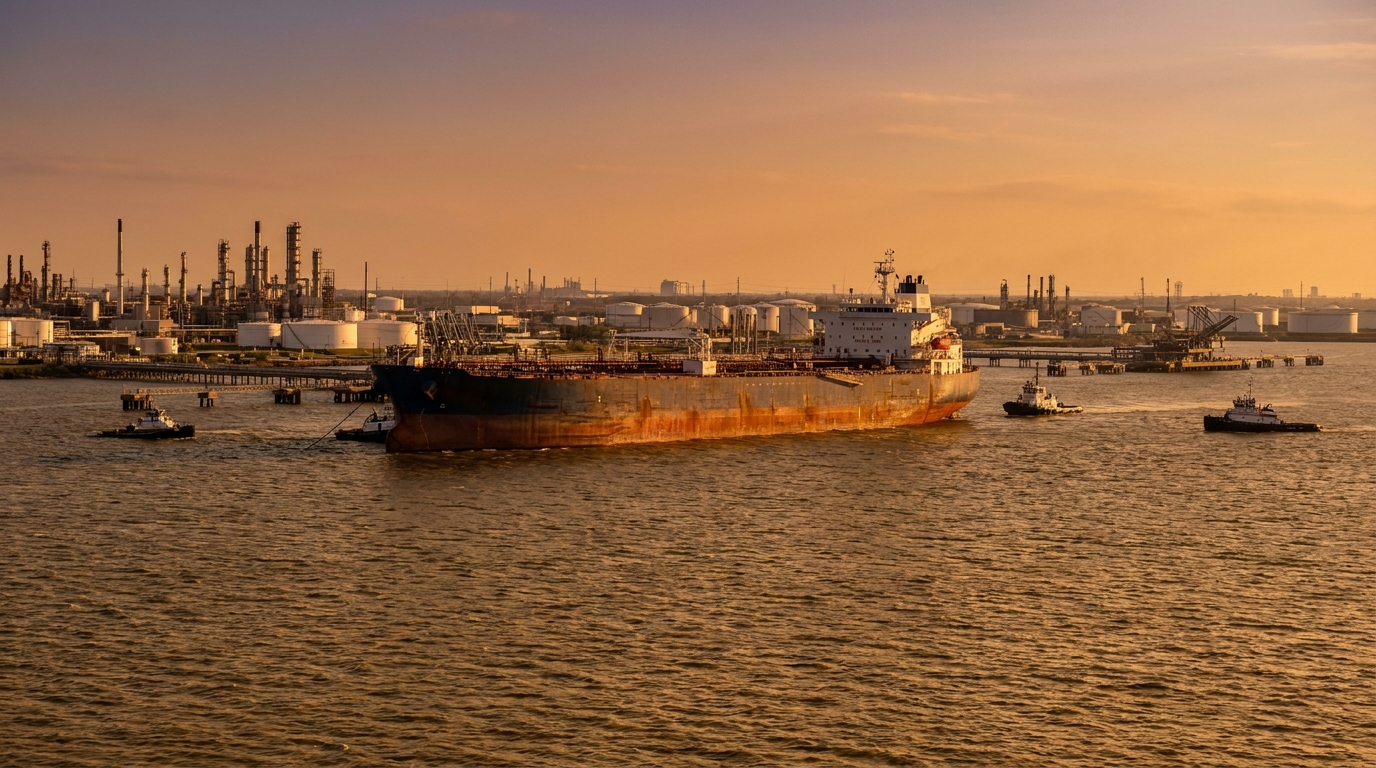
On March 17, 2026, the U.S. Department of Homeland Security issued an unprecedented waiver to the Jones Act after confirming that the American merchant fleet, reduced to 93 oceangoing vessels, lacked the capacity to move petroleum and liquefied natural gas (LNG) between domestic ports during the de facto closure of the Strait of Hormuz.
The Strait of Hormuz is the chokepoint for approximately 20 percent of the petroleum and 30 percent of the LNG traded globally, according to the Atlantic Council. When U.S. and Israeli military operations against Iran in February 2026 reduced transit through the strait from roughly 130 vessels per day to a handful, American regions dependent on maritime imports were exposed to supply disruptions. The waiver, originally 60 days and later extended an additional 90 days through August 16, 2026, allowed foreign-flagged vessels to transport petroleum products, fertilizers, and other goods between U.S. ports.
The Jones Act fleet collapsed from 434 oceangoing vessels in 1950 to 93 in 2026. The United States produces barely 0.1 percent of the world's commercial vessels; China's shipbuilding capacity is 232 times greater, according to the Atlantic Council. The Ready Reserve Force, 46 ships with an average age exceeding 45 years, recorded a 41 percent success rate in a 2019 stress test. This is compounded by a shortage of more than 1,800 merchant mariners, according to the U.S. Congressional Research Service (CRS).
The LNG case is emblematic: with no LNG tankers complying with the Jones Act, moving natural gas from the Gulf of Mexico to New England was impossible under existing regulations. As of April 30, 2026, the CRS reported 23 domestic shipments carried by foreign-flagged vessels under the waiver, mostly petroleum products. Five U.S.-flagged vessels, three from the Maritime Security Program (MSP) and two from the Tanker Security Program (TSP), were stranded in the Persian Gulf.
The waiver expires in August 2026. The U.S. Congress must decide whether to extend it, reform the Jones Act, or let it expire. The Atlantic Council proposes eliminating the U.S.-build requirement while maintaining U.S.-flag, crew, and ownership obligations. For the Gulf of Mexico energy corridor and cross-border trade with Latin America, the direction of that reform will define the resilience of regional supply chains against the next disruption at a maritime chokepoint.
This article was prepared with the assistance of artificial intelligence from verified sources and reviewed by a human editor before publication.
Sources
Related stories
This article was drafted with AI assistance from verified sources and reviewed by a human editor before publication.
← All news